LOUISVILLE (PNS) More than 5,600 in 67 countries. That’s how many community projects have received support over the last 45 years from the Presbyterian Committee on the Self-Development of People. SDOP is celebrating the milestone this month and church leaders are thrilled with the progress communities have made.
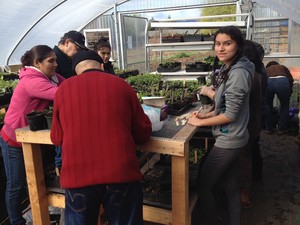
Working with a national committee as well as 25 presbytery and three synod committees, SDOP partners with communities struggling with economic and social justice issues by providing grants to help them become self-sustainable. Since its inception, SDOP has awarded more than $100 million to communities around the world.
The ministry grew out of the civil rights era in the United States in the late 1960s. As the nation struggled with the assassination of the Rev. Dr. Martin Luther King, Jr., activists like James Foreman, challenged mainline denominations to step up and make a difference. The Presbyterian Church acted on the challenge by creating a new form of ministry, not just charity.
“It had to be a ministry of respect in that people who need help know the issues and how to address them,” said Cynthia White, SDOP coordinator. “They may need technical and financial assistance that the church can provide, but the community would own and control the projects.”
SDOP committee members say the ministry’s method for engaging a community has worked well, allowing the community to best determine how grant funding should be used.
“The dominant paradigm has promoted the idea that professionals and government leaders know best how to create change for people,” said Lisa Leverette, national committee member. “SDOP, through its experience and commitment to communities has been a steadfast supporter of the very unique focus on the under-served as the ‘expert’ to change conditions.”
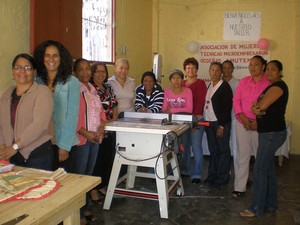
Internationally, SDOP has worked with cooperatives, agricultural groups and other organizations to assist in the community’s empowerment.
“One of the most touching things I heard was in the Dominican Republic when one of the leaders said to me ‘wow, you came back,’” White said. “We make it clear SDOP is not a funder. We are a ministry of the church, engaging with people as they struggle for social and economic justice.”
Committee members say their lives have been changed working with the various communities in need.
“We live in our own world and don’t realize how people have to sacrifice just to eat or get clean water,” said Cecilia Moran, who served as a task force chair.
The Rev. Curtis A. Kearns, Jr. served on the national committee in the 1980s including a time as chair. “I feel it is one of the most creative and important mission programs that the church is involved in because our society is very competitive and aggressive. Seldom are there programs which confirm and encourage people. SDOP is one program that does.”
by Rick Jones