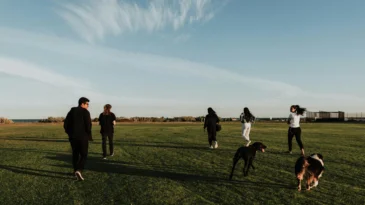



For Christians with eating disorders, communion can bring anxiety alongside grace. Rachel Sutphin asks how churches can make Christ’s welcome tangible for everyone at the table.

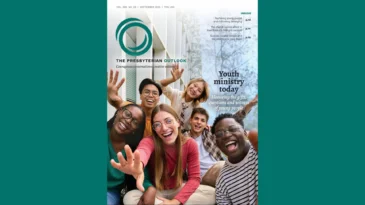
Three young Presbyterians speak with clarity and hope about belonging, authenticity, faith, doubt, community and the future of the church.
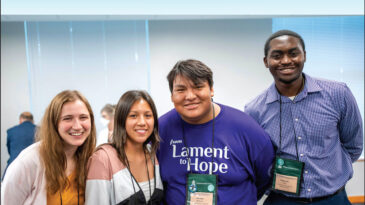
Six ways young Presbyterians are finding leadership roles beyond their church.
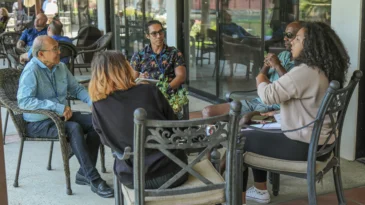
Vernon Gramling shares what 12 years of leading small groups taught him about making room for honest questions and doubt.

Queer and trans youth are gifts to the church. Here are five ways congregations can turn affirmation into meaningful practices of belonging, advocacy and celebration, writes Cody J. Sanders.

Moving toward programs that affirm Black children’s full humanity is crucial for justice, writes Chris Burton.
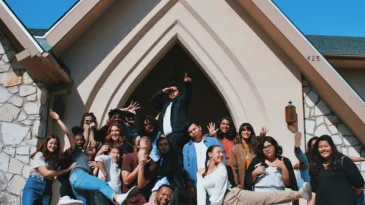
Teri McDowell Ott argues that instead of trying to "figure out" Gen Z, churches should ask what kind of church is worthy of their trust.

Prevention is not only a clinical task. It is a human task, a family task, a church task and a community task, write Michelle Snyder and Christopher Epperson.

Kris Brammer on the bittersweet joy of watching youth group seniors graduate and trusting God with the growth.

Maintaining the status quo can be antithetical to connection and needs, writes Jason Tucker.

Chris Dela Cruz explores how listening can be an act of faith formation, challenging churches to create spaces where young people feel noticed, known, valued and empowered to shape their communities.
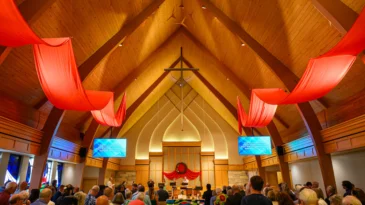
Christy Williams and Brittany Porch reflect on the shrinking path for nonordained Christian educators and youth workers — and what the PC(USA) risks when it fails to invest in those called to faith formation.

The Presbyterian Outlook is partnering with FāVS News to strengthen independent journalism and broaden our coverage of the church in the Pacific Northwest.

Help us explore the theme "failure."
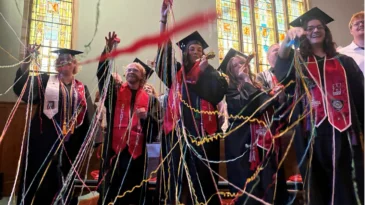
Former Hastings College Chaplain Doodle Harris interviewed 21 students about why they left church. Their answers reveal pain, curiosity and an enduring desire to pursue faith beyond the sanctuary.
In the wake of staff cuts at Columbia Theological Seminary and Presbyterian Life & Witness, William Yoo calls for greater transparency, accountability and care from the institutions that serve the PC(USA).
Scott Anderson argues that Christianity offers a way to think about markets, government and economic justice beyond the tired binary of capitalism and socialism.
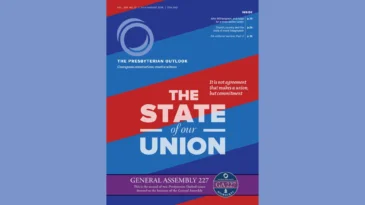
In each issue of the Outlook, we include a discussion guide to further reflect on the issue. We recommend using this guide in your Bible study, small group or book club. It's our invitation into a faithful conversation.

Who are the faithful leaders making a difference in your congregation, community or corner of the Presbyterian Church (U.S.A.)?
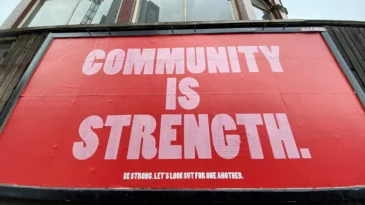
Owen Gray shares how a Texas congregation's steady, month-after-month presence at school board meetings became a quiet but powerful form of public witness.
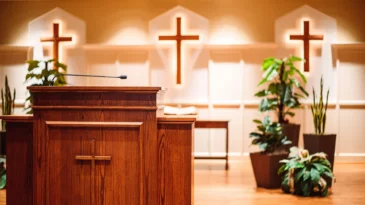
Writing in response to H. Carson Rhyne's "What's in a title?," Janet Benson makes the case that "commissioned pastor" offers greater clarity about the role CREs play in the life of the church.
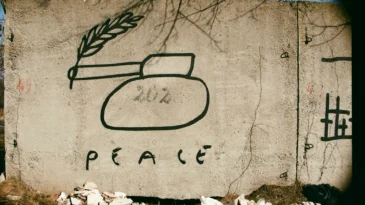
Mihee Kim-Kort shares what remembering the Korean War, American militarism and the church’s witness can teach us.

Meet Jimothy, the internet's new favorite raccoon, who can teach us that delight is more than a distraction — it's a spiritual practice, writes Brittany Harrold Porch.

As Katy Shevel prepares for a sabbatical, Ruth Haley Barton's vision of Sabbath reshapes her understanding of rest — not as self-care, but as a rhythm God intends for the whole church.

Following the General Assembly's referral of a proposed monogamy requirement, Jacob Douylliez reflects on why patient discernment has long been central to the church's search for truth.
© Copyright 2026 The Presbyterian Outlook. All Rights Reserved. Privacy Statement. Website by Web Publisher PRO