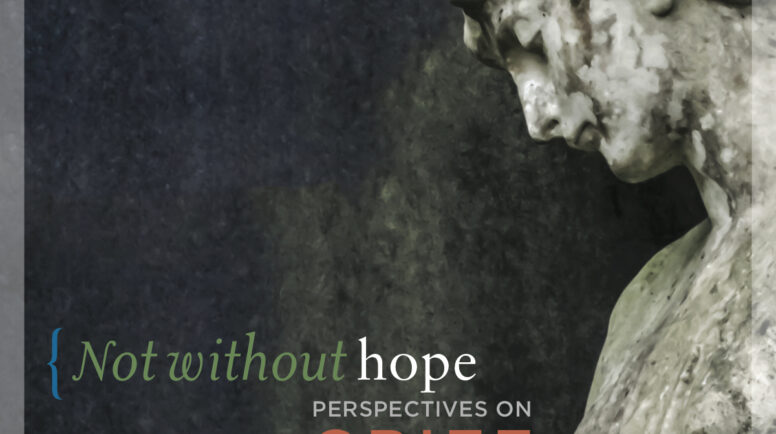
by Alex W. Evans
The words of Psalm 46 are familiar to most of us:
God is our refuge and strength,
a very present help in trouble …
The Lord of hosts is with us; the God
of Jacob is our refuge.
We affirm these words often, perhaps as a “call to worship,” or read them at a memorial service, or sing them or say them in other moments of our common life. Those words may roll off our tongues as a rote, even mindless, affirmation of faith.
But what about when the unthinkable happens in our community, or in another community, as it did recently in Charleston’s Mother Emanuel AME Church, or the horrific shootings at Sandyhook Elementary School, or in the movie theater in Colorado, or on the campus of Virginia Tech?
On the first Sunday following the shootings at Virginia Tech in April 2007, where I served as pastor at Blacksburg Presbyterian Church, I was interviewed on CNN prior to Sunday morning worship. The newscaster asked me, “Pastor, what will be the first words that you will speak to your congregation today?” I quoted the opening words of Psalm 46, which was our “call to worship” that day. I told him that those words carried far more weight and meaning, hope and assurance than ever before. And I told the newscaster that we in Blacksburg were simply joining our voices and hearts with so many across the world and across the ages whose lives had been turned upside down by unthinkable tragedy.
Unfortunately, we live in a dangerous and uncertain world. Violence and turmoil continue to challenge our faith and come close to our lives. Is our theology sufficient when tragedies confront us? Are we ever equipped for ministry and faithfulness amidst the tragedies that happen, whether it is in our church buildings, somewhere down the street or across the region or world?
In the midst of tragedy, basic questions become especially pertinent:
Where is God and what is God doing?
What is faithful ministry in the face of unspeakable horror?
What can the pastor and the congregation do to promote God’s presence and peace and to help the community move toward healing and hope toward Christ’s promised reign?
The amazing people at Mother Emanuel AME Church in Charleston, South Carolina, have inspired me with their faithful work, words of forgiveness and embodiment of God’s peace in the face of unthinkable loss and horror. Thanks be to God for their witness.
In such seasons of tragedy, my heart gravitates to those comforting words from Romans 8 that affirm that nothing “will be able to separate us from the love of God in Christ Jesus our Lord” (Romans 8:39).
Just prior to this final, foundational affirmation from Paul, there remains some debate about the translation of verse 28. The NRSV puts it this way: “We know that all things work together for good for those who love God, who are called according to his purpose.” When I read that verse, especially in the light of unspeakable tragedy, I am not so sure how deeply I believe that. Do all things work for good? It seems so impossible to me that an unstable young man with a gun and lots of ammunition — on a college campus, in a movie theater, in an elementary school, at a Bible study in a church — can be part of “all things work for good.” I know victims and parents and community members and others who would join me in doubting and debating the reliability of that verse.
Fortunately, there is a footnote in the NRSV for Romans 8:28. “Other ancient authorities read God makes all things work together for good, or in all things God works for God.” Actually, the RSV, the NIV and other translations chose the latter of these options. And the choice is personally and theologically most significant. In the “other ancient texts,” the subject of the verbs in the sentence is not “all things,” but becomes “God.” God works for good. God makes all things work together.
When we live and serve by faith, we know that God is always the subject, that God is the One acting and working. Our calling then is to align our lives properly with God’s work, especially in the face of great tragedy. We seek in ministry always to be instruments of God’s working, God’s acting.
So what might faithful and effective ministry in the midst of tragedy look like?
Knowing that God works for good, and God makes all things work together for good, we trust our lives to God’s care.
“God is our refuge and strength, a very present help in trouble … . The Lord of hosts is with us.” Those are not just words we say but truths that shape all we do. To paraphrase C.S. Lewis, moments always come along in our lives when the angels are watching and waiting to see what we will do. Will we step up and trust God, even in the face of unspeakable challenge and horror? We like to recite those words: “Whether we live or die, we belong to God.” For surely, eventually we will be tested to see how well we live out those words. Our singing the faith, our affirmations, our discussions and Bible studies, are all a rehearsal for living out the truth of God’s foundational promises.
Knowing that God works for good in all things, we seek to align our lives with God’s work by building important connections, cultivating relationships beyond our church buildings and within our communities.
Our calling as God’s pastors and people is never just within the congregation but within the community, the larger context where the congregation resides. These are the connections that will sustain and bless if and when tragedy comes close.
Following the shootings on the campus of Virginia Tech, the congregations of Blacksburg rallied together well and quickly because of the important connections and fellowship that we shared prior to the tragedy. On the evening of the shootings, we had a large, ecumenical worship service at Blacksburg Presbyterian Church because of the cherished relationships we had shared. The community tragedy was unfolding for all of us. In a matter of a couple of hours, we could gather many of those from all of our congregations for a joint worship of grief and lament, Scripture and prayer, silence and singing.
It is critical in moments of tragedy to have nurtured relationships across denominational and racial lines — and well into the larger community. When pain and suffering, shock and horror, grief and despair come near, they are no respecters of familiar lines of demarcation. We would do well to reach out to know our neighbors better, to cultivate connections within the community. We would do well to invite members of the local police departments and rescue squads to come and speak to our congregations. We should encourage outreach from our churches toward those who serve our communities. What if your church could provide a monthly meal to the different shifts at the police department and the rescue squad? What else could we do to cultivate connections with those with whom we live and those who will be so important to healing and helping in the event of a major crisis or community tragedy?
In my life and ministry since the shootings at Virginia Tech, I have given significant devotion to the support and care for police officers. Pastors and congregations could also become aware and supportive of this ongoing work. We want and need the police and other first responders in our communities to be healthy in every way. We have learned this all too well recently with tensions between police and citizens. The lives of police officers are too often full of trauma — just read the paper or watch the news and think about the cops who are present at any crisis. When added to meager salaries, increasing pressures and suspicion, and a tense world, police and other civil servants need God’s care, prayers and advocacy for wholesomeness. There are important organizations emerging in many states that seek to provide care and stability for traumatized officers. These organizations and our officers deserve our support.
Knowing that God is the One who works, and seeking to align our lives with God’s healing ways, as God’s people we also seek to embody God’s compassion and care with words and actions of love and faithfulness.
In moments of confusion and crisis, violence and uncertainty, even storms and devastation, we want to know where God is. God is present, crying with those who grieve, loving those who feel most lost, walking through the shadow of death, pointing to light and life. That is where we can best align our lives with words and actions that embody God’s love and presence.
In the aftermath of every place of crisis, there are always some Christians and others who flock to the scene and are not helpful. Following the shootings in Blacksburg, a few too many Christians showed up to say that the horror was somehow God’s condemnation of a wayward society or used moment to hand out tracks saying the world was coming to an end and people needed to “get right, or get left.” This is not only not helpful, it is hurtful.
Our churches can be places of prayer and care,especially for first responders on the scene. Our churches and our people can look for ways to embody welcome and support, living out our confidence in God’s love and presence in those moments when everyone might be questioning God. We keep opening our doors and our hearts, led by the Spirit, to represent Christ’s hospitality and love in whatever way is helpful. Our people can show up with the community, maybe at a candlelight vigil, maybe with food and water, in a show of solidarity with the hurting and hope for the hopeless. God calls us out of our safe places, into the streets, in continuing work for healing and peace. The resurrection of Jesus from the grave reminds us that the world’s evils never win. This drives all we do as God’s people. We affirm, despite all appearances, that God reigns, that we are God’s people. We do not have all the answers, but we know Whose world this is and that we are called to love and serve following Christ our Lord. We can never be paralyzed by a crisis or tragedy. We have to find ways to live into God’s hope and promises with each new day. Then when the fervor of the crisis fades, we have to keep working for a world of justice and peace, light and love, inaugurated by Jesus Christ.
Knowing that God is the One who works, we keep worshipping and singing, praying and serving as God’s people.
We live by faith. We keep rehearsing the great affirmations of God’s love and presence, promises and purposes. As Romans 8 also reminds us, “the sufferings of this present time are not worth comparing with the glory about to be revealed to us.” God’s love prevails. In all things God works for good. May God use all of us for God’s good and redeeming work, always and forever.
 ALEX W. EVANS serves as pastor of Second Presbyterian Church in Richmond, Virginia. He also volunteers as a chaplain with the FBI and as director of the Virginia Law Enforcement Assistance Program, both of which give him continuing experience with trauma and ministry.