BROWNSVILLE, TEXAS – These are the hands and feet of mercy.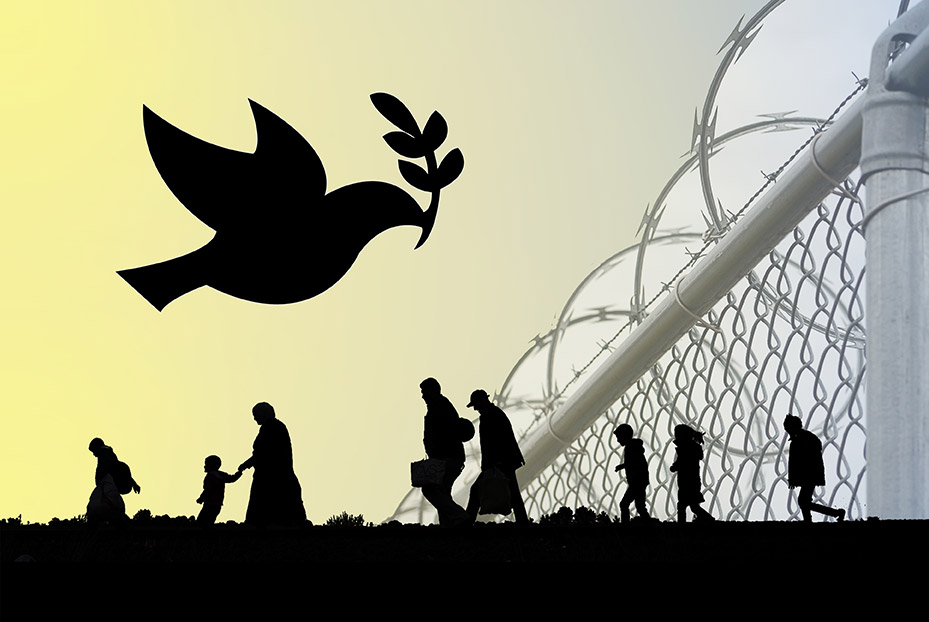
Nearly every morning at 6 a.m., a cluster of volunteers gathers at the Greyhound bus station in Brownsville, Texas, clipboards in hand, ready to help asylum-seekers who immigration authorities have just released from detention get their bus tickets and find their way to the next stop.
Most of the immigrants don’t speak English. They are exhausted and apprehensive about what will come next, grateful for a friendly face and a Spanish speaker who can help guide them.
As the light rises in the sky, two of the volunteers, Sergio Cordova and Michael Benavides, dash off to their jobs as special education administrators for the local school district. These partners work all day and, as dusk falls, return again to the bus station night after night – driven by the knowledge that at the city’s two border bridges just blocks away, asylum seekers have lined up on the Mexican side, waiting for entry, exposed to the elements, hungry, having traveled by foot and bus and truck and train for hundreds of miles, desperate for a chance at freedom and safety.
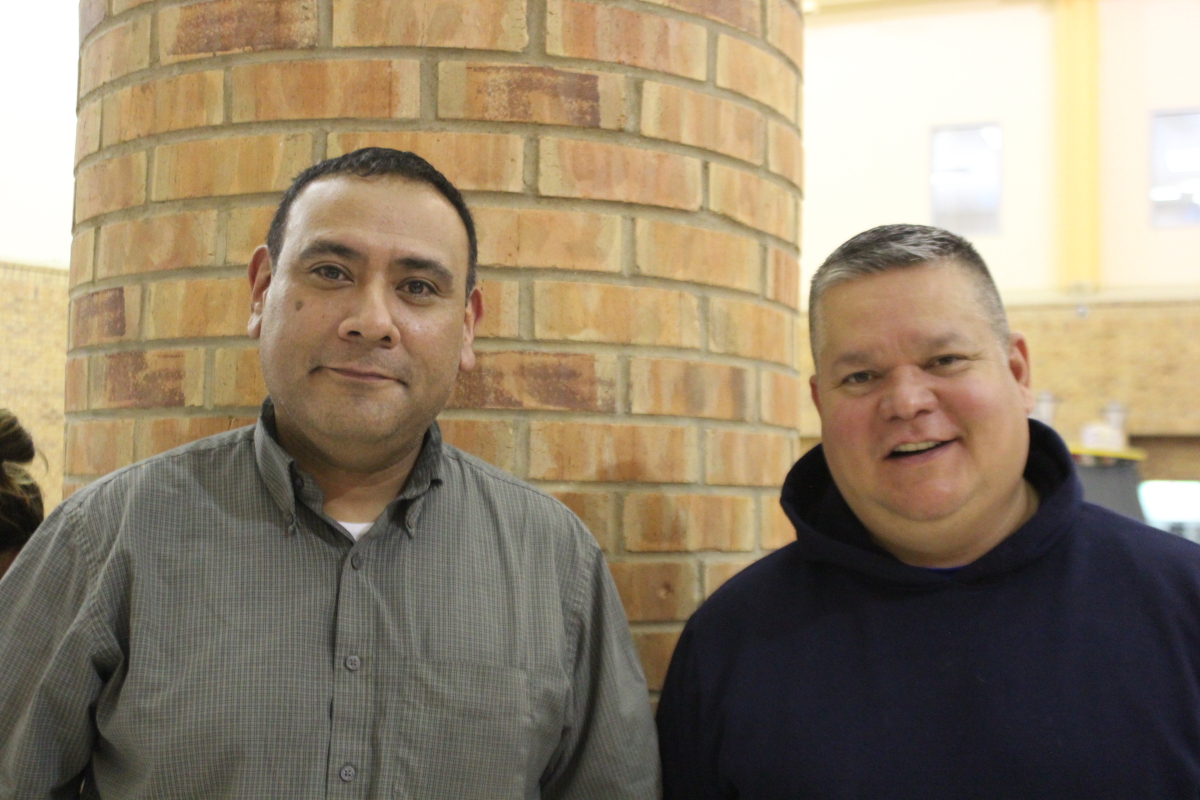
These volunteers cannot watch this suffering and do nothing. They cannot stand by. So they have mobilized – starting with only their own cash and creativity, and providing through sheer moral persistence a tangible humanitarian response, bringing a hot meal every night to those waiting at the bridges for immigration authorities to give them permission to pass through and begin the legal process of applying for asylum.
Hovering over all this work is the knowledge that a caravan of thousands of asylum seekers is heading north now, and that President Donald Trump is planning to send military troops to the border. While the politicians debate and the mid-term elections draw near, this small dedicated tribe does what they’ve been doing for months: cook food, haul it in a wagon to the bridges, feed the hungry.
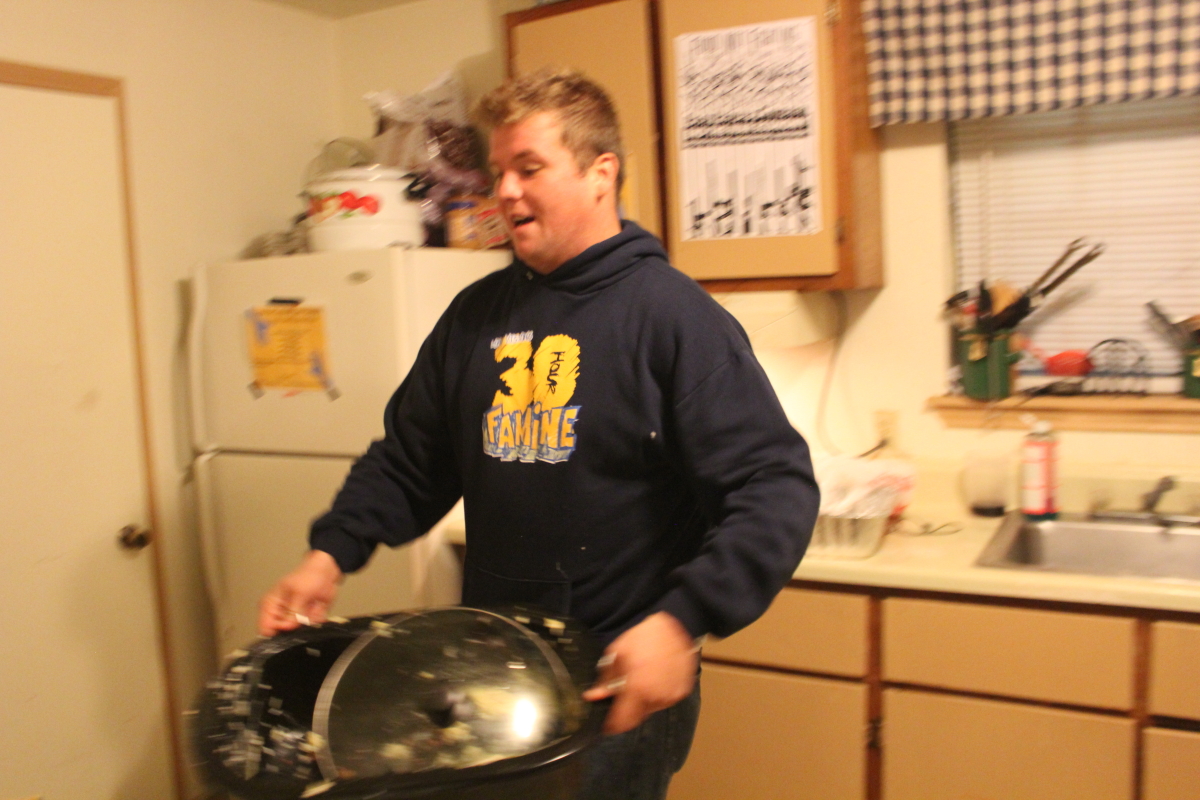
Here’s the heart of the action: a tiny studio apartment catty-corner from the bus station, where Brendon Tucker, a 23-year-old transplant from Canyon Lake, Texas, cooks up dinner every night, with the help of a man he calls “Grandpa,” Rolando Cole.
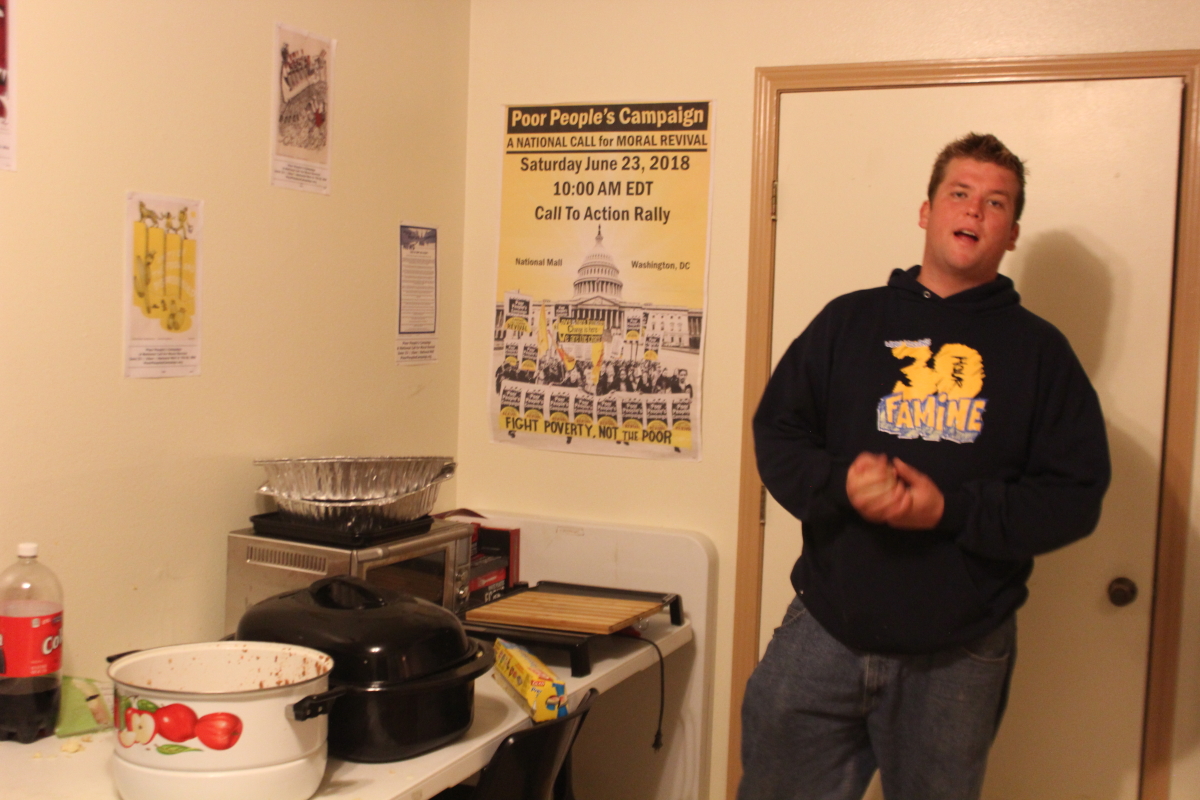
Tucker came to the Rio Grande Valley at first to protest federal immigration policy, then went home, sold all his belongings and came back to help for at least a year.
Cole’s been somewhat transient – when they first met, the 70-something Cole was sleeping at the bus station, “sitting up on a chair” even though he’s supposed to elevate his feet, Tucker said. Now they share the apartment, Cole sleeping on a mattress and Tucker on the floor. Cole speaks Spanish; Tucker not so much. “He knows how to cook things I don’t,” Tucker said. “He’s really great with the people.”
On this night, joining the bridge crew was Janatte Diana Kanaan, a physician who drove up in a white pickup truck whose bed was crammed with bottled water, flats of ground beef, bananas and other supplies. “Dad is Sunni Muslim, and I’m lesbian,” Kanaan said. “I’ve got it covered.”
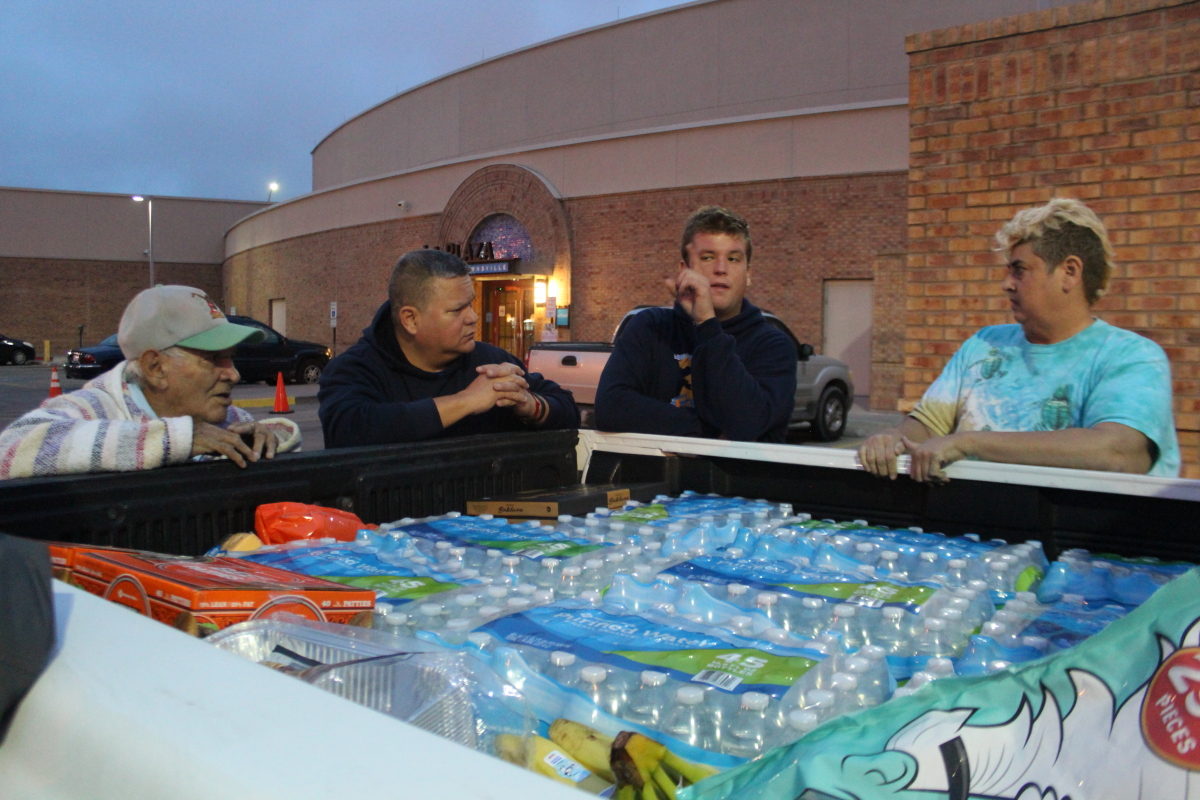
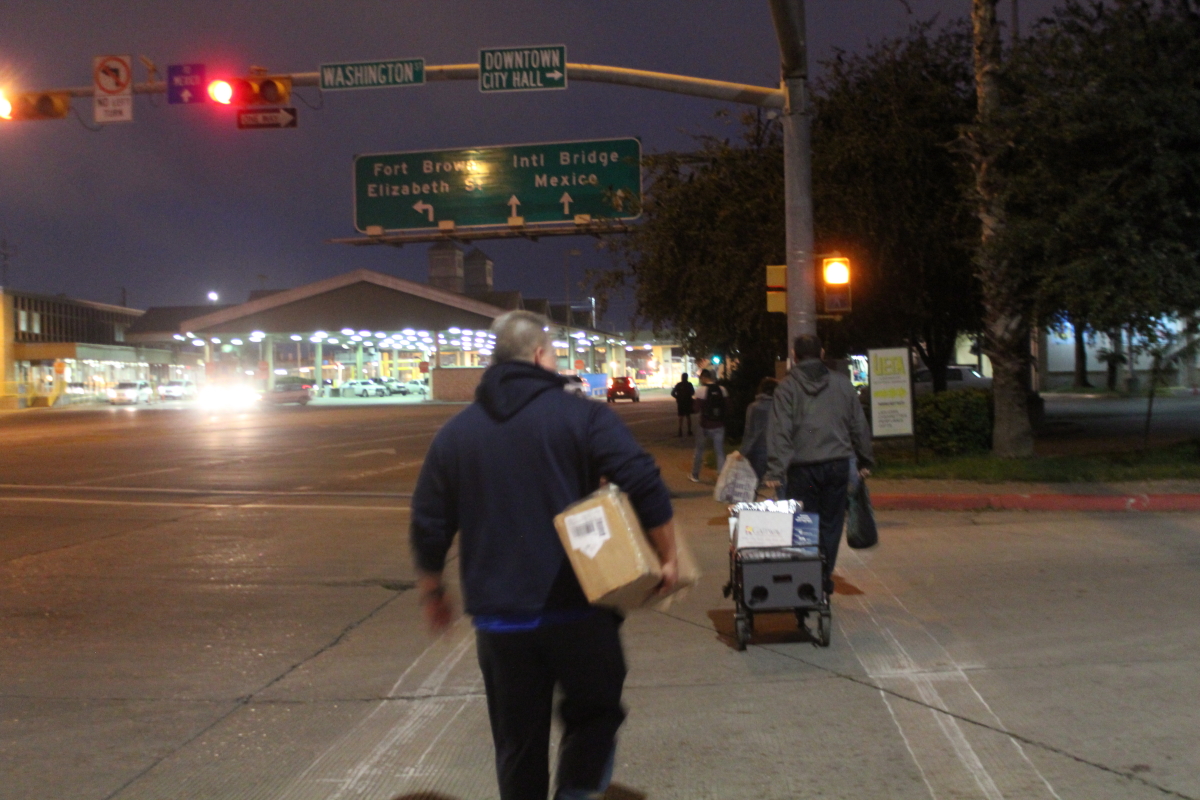
She’d come that night because there were reports of a 13-year-old girl on the bridge having seizures, and boy who was sick. Kanaan drove the truck across the bridge to check out what was happening, while Benavides and Cordova hauled the wagon and other supplies across on foot, paying the $1 fee to cross in coins.
Last summer, when the news broke that immigration authorities were separating children from their families at the border, a friend invited Cordova and Benavides to come to the bus station in McAllen for a day to help. The next week, “we went to the bridge to take food and supplies,” Cordova said. “I had never been. The scene there is what really changed my life. It was heartbreaking, completely heartbreaking. From that day we have gone every day” – helping both at the bridge and the bus station.
At the bridges then, asylum seekers were sleeping outside on the rocks, exposed to the sun and the rain. That first day, “it was July, 110 degrees. They were baking. They had no cover,” Cordova said. Now, with winter coming on, wind and cold are the problem.
After that first night, “we went to the store and just bought and bought and bought, and went back” to the bridge with sleeping bags, tarps, mats and shoes, Cordova said.
One volunteer has sewn close to 1,000 small pillows on which immigrants can lay their heads – buying whatever fabric she can find that is inexpensive and soft.
At the bus stop, the volunteers found people being dropped off from immigration detention with nothing – no food, no money, with some of them preparing to ride buses two or three days across the country. Immigration authorities had taken their shoelaces and their belts. The volunteers began providing sandwiches and clothing.
At the start, Benavides and Cordova would take people who were stranded at the bus station overnight to McDonald’s and buy them Happy Meals – paying out of their own pockets. Sometimes, if an immigrant had nowhere else to go for several days, they’d bring the person to their home and give them a bed.
With help from others, they’ve raised funds and honed the system. One by one, they’ve hauled cots to the far side of the Gateway bridge, although authorities on the second bridge, the Brownsville & Matamoros International Bridge, do not permit that – people queued up there sleep on the concrete.
They met Tucker, and decided that what they were spending at McDonald’s could better be used to rent an apartment where Tucker could cook hot meals from scratch. They set up a Go Fund Me account to support the feeding program and an Amazon Wish List, where people from all over the country are contributing to the humanitarian effort – everything from shoelaces to sweatshirts to food.
Many asylum-seekers wait at the bridge for days or even weeks for permission to cross. At the Gateway International Bridge, the asylum-seekers keep a list of the order in which people arrive – although sick children and pregnant women often are moved to the front.
“We get to know them,” Benavides said one recent night. “It’s really cool when we go over and they’re not there, because they’ve come across. It gets pretty emotional. There are three groups that have been there so long.”
And “it’s a lie what Trump says” about asylum seekers, Cordova said. “They are not rapists or killers or gang members. These people are young people who are running away from all of that,” leaving because of threats of violence. The immigrants tell Cordova “they want us to join the gangs and we refuse. They killed my brother. … They burned down my house.”
Teenagers say “they are being forced to sell dope. If they don’t do it, they will be killed. They can’t go to the police – the police are involved. … There is no one they can ask for help.”
Why come to the United States, some families with toddlers trudging behind or babies in arms? “They just want to work,” Benavides said. “They want to live a life without violence, without crime. The innocent people are the ones who are coming.”
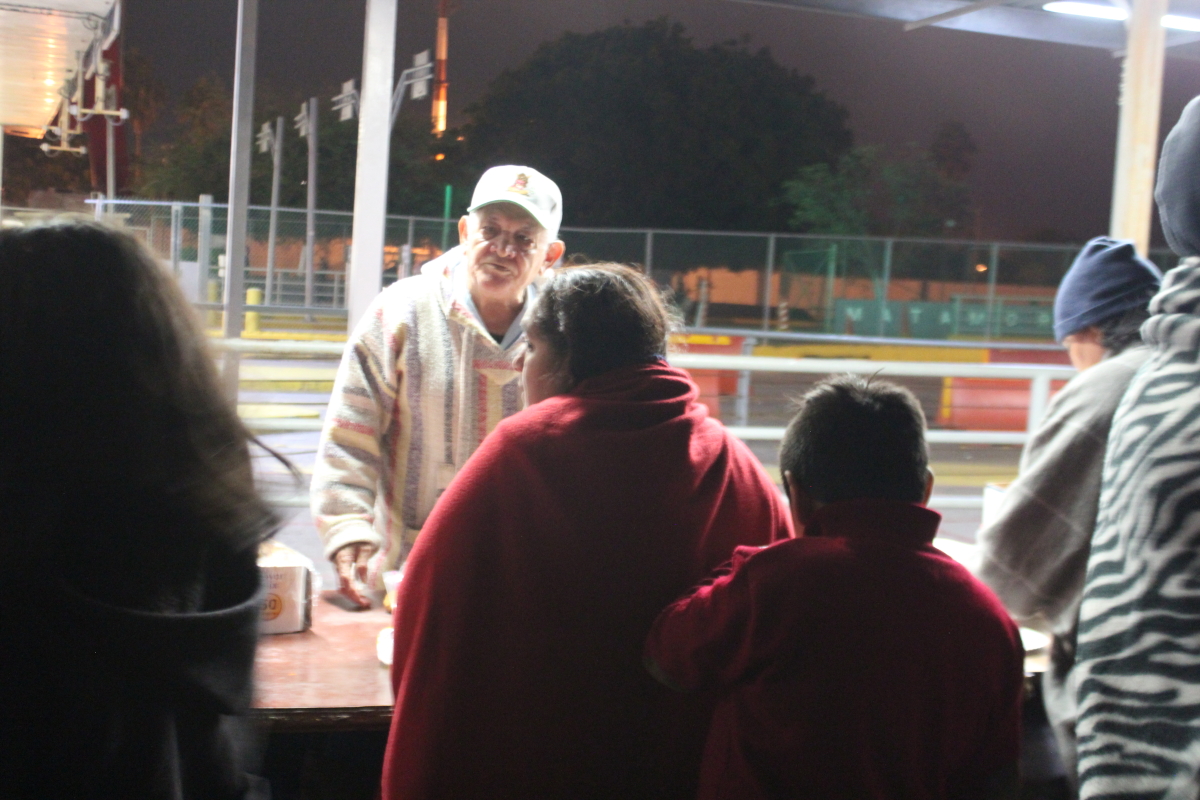
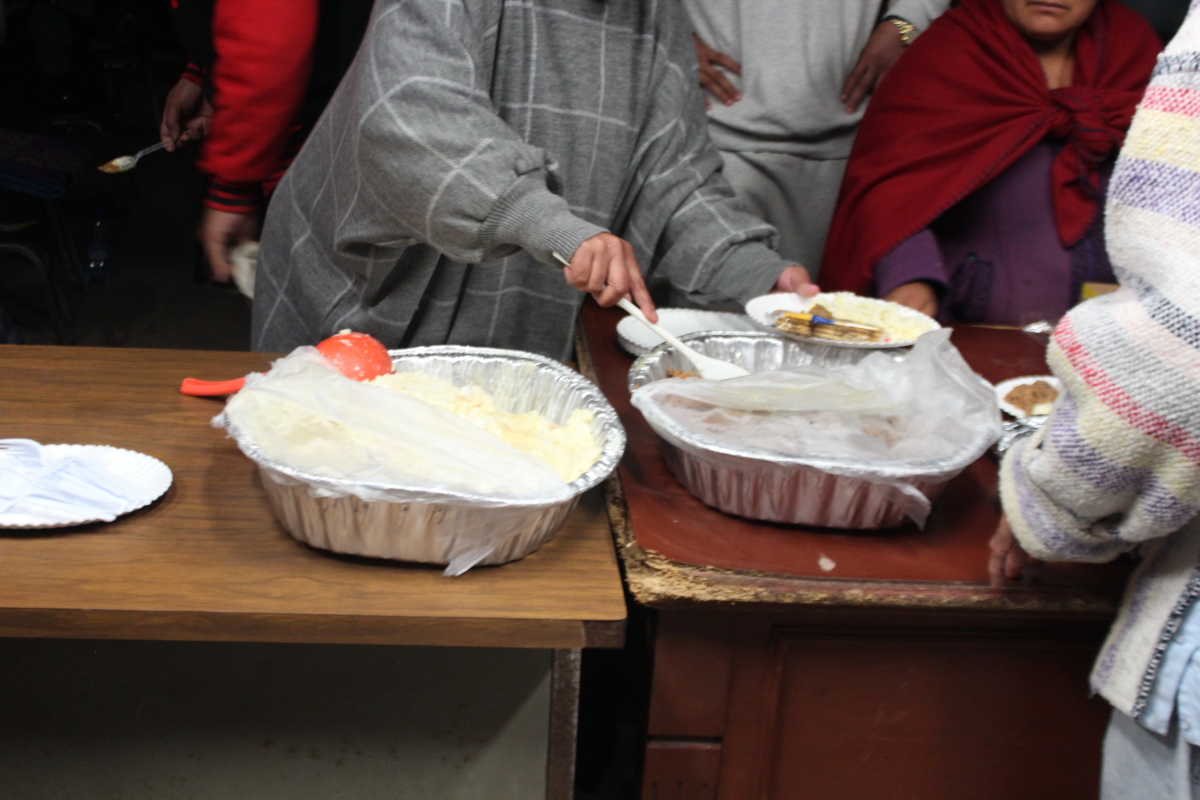
This chilly, windy night, 22 people waited in the dark at the end of the International Bridge. When the food arrived – rice, tortillas, meat, (Tucker had burned the corn) – the women laid it out assembly-line style on a table, just like a church potluck anywhere. They filled plates for the children first. The men ate last.
People ate standing up, or sitting on a handful of hard plastic chairs. When the immigrants told of a need (toilet paper, prenatal vitamins), Tucker walked to a nearby pharmacy on the Mexican side and bought what he could. The volunteers have done this so many times they are regulars, familiar to the border officials on both sides the bridge, working hard to cultivate respectful relationships.
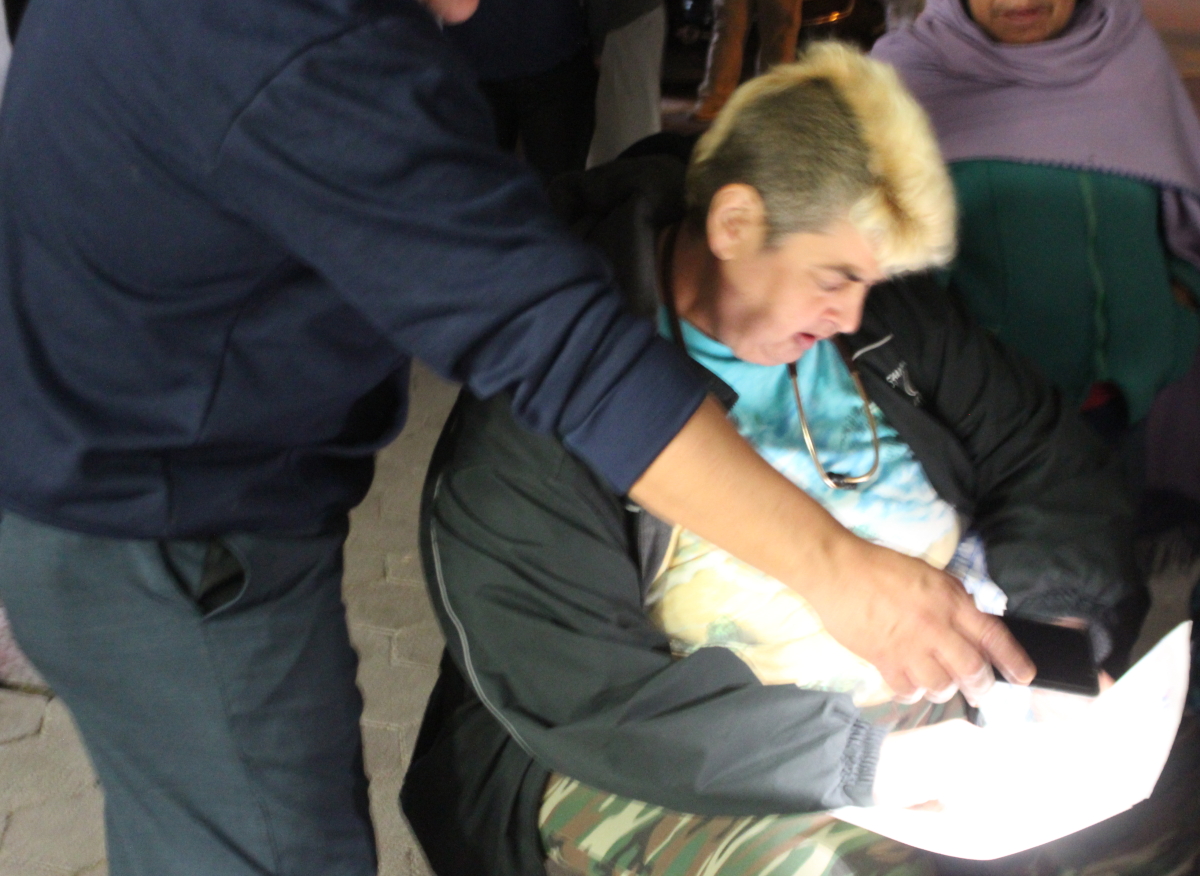
Kanaan went straight to examine the 13-year-old girl who’d been having seizures – one of a handful of members of an indigenous family from Oaxaca, Mexico who had been waiting at the bridge for two weeks. Using her own Spanish and help from more fluent speakers, the physician examined the girl and asked a series of questions.
“She bleeds from the nose and she shakes,” Cordova said, translating what the girl’s mother was saying. “Everything from here down, she gets numb and she can’t feel it. … She has passed out three times. … It started in April.”
Kanaan asked about injuries, falls, diet, medical history. “Obviously, she needs shelter,” the doctor said. And she read the results of a series of medical tests that had been conducted at a Mexican medical clinic at no cost to the family – which as she parsed through them by the light of a cell phone ruled out some potentially serious conditions. In fragments, the family told more of their story: of gunfire, a sudden departure.
“I think it’s panic because of what she’s going through,” the physician said after spending about half an hour with the soft-spoken girl. “She’s been so traumatized. … They were trying to kill her. They were shooting all around.”
A younger boy in the family was coughing – a cold, threatening to turn into worse.
“I hate to see you here,” Kanaan told the family. “There is no threat here. It is insane.”
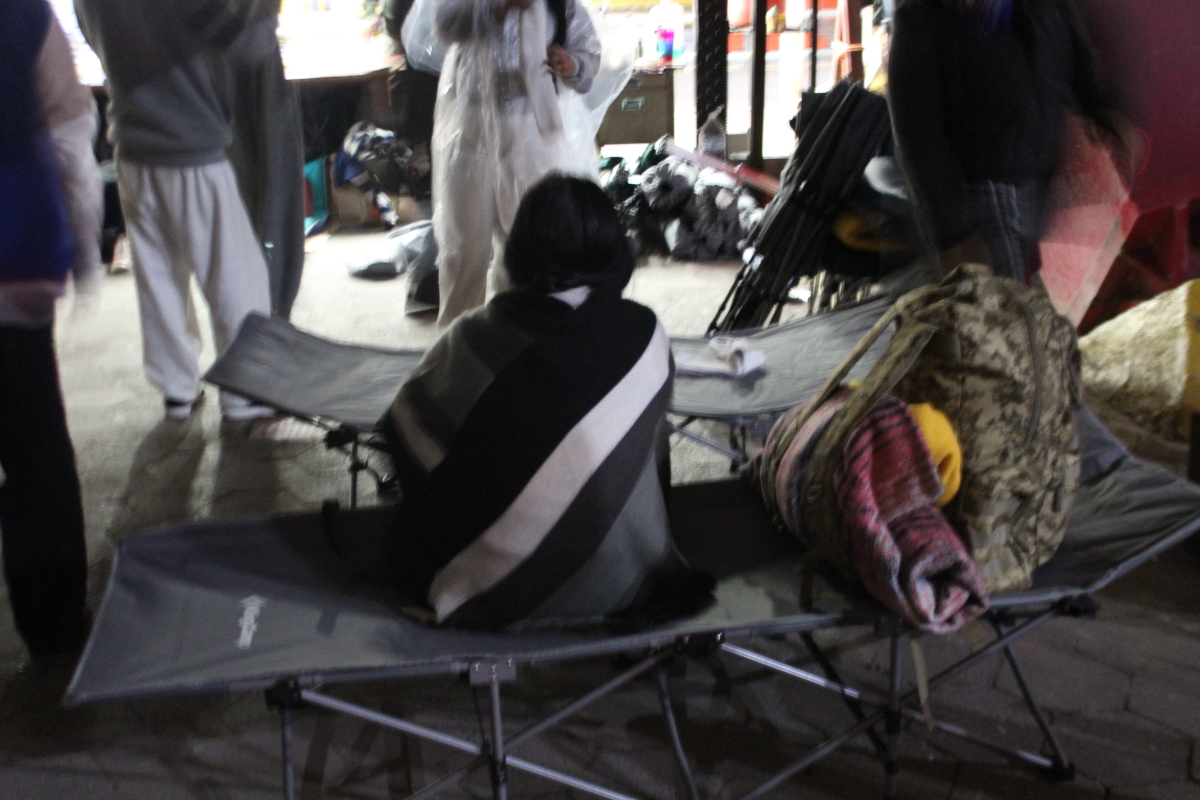
The team trudged back across the bridge, passing through the immigration checkpoint. One border officer asked, “What was the purpose of your visit?” The answer: “Feeding the people waiting to cross over.”
His response: “There are people over there?”
Although by then it was close to 9 p.m., Tucker and Cole continued on to the second bridge, pulling their wagon. Once again, they paid the fee to cross, and met the 27 asylum seekers in the queue there, many of whom were from Cuba. “It’s a humanitarian crisis,” Tucker said. “People are down here dying for help.”
He’s outspoken, political, both profane and polite, critical of the faith-based response and a lack of fervor among young adults. “I’m part of a religious fusion movement” – the Poor People’s Campaign: A National Call for Moral Revival – “but I’m not religious,” Tucker said. “I’ve been dying to get involved in something. We need people. Everybody has a lot of talk, especially my generation. Nobody is willing to do anything about it. They’re not willing to sacrifice.”
Standing in the cold on the bridge, getting ready to sleep again on concrete, one young Cuban stood shivering, wearing only short sleeves.
Tucker tugged at his own sweatshirt, yanked it over his head and handed it over to the Cuban – standing in a white t-shirt, the last clean shirt he owned.
“De nada,” Tucker said as the Cuban pulled on the still-warm sweatshirt, repeatedly offering thanks.
Then he grinned, waved goodbye, and headed with Cole back over the bridge, trundling the now-empty wagon behind them.
They’d get a few hours of sleep, get up the next day, and do it all over again.