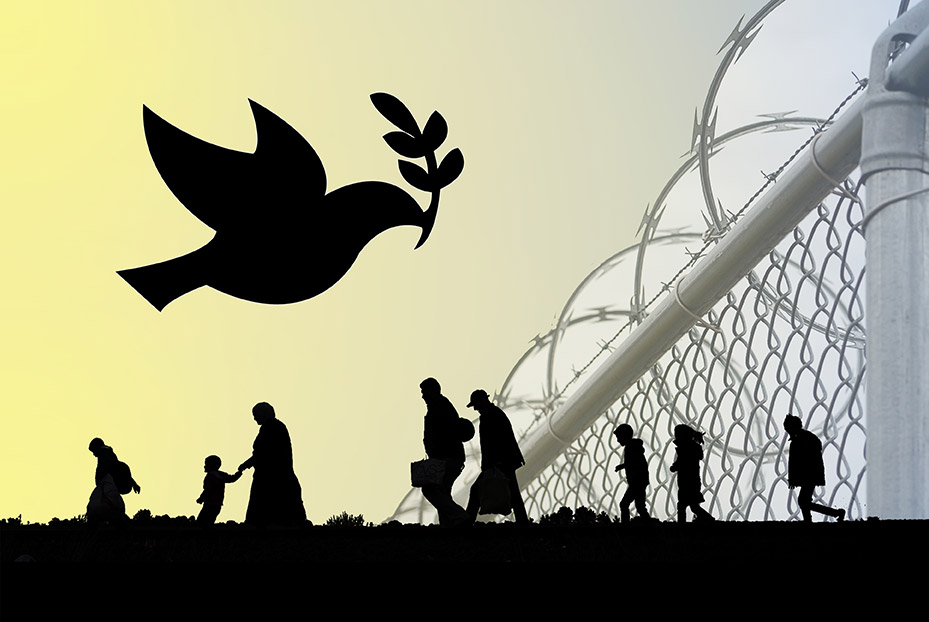
SAN BENITO, TEXAS – The caravan is coming: as many as 7,000 Central American migrants, fleeing violence and corruption in their homelands, bearing down on the U.S.-Mexico border.
Remember: these aren’t just numbers; these are people – mothers and fathers, brothers and sisters, each one someone’s beloved child. This is, at heart, an achingly human story.
And those who’ve already arrived – the wave of asylum-seekers who crossed the border just ahead of the caravan – give glimpses into the humanitarian and policy challenges ahead.
The immigrants’ stories reveal the pain, the hope, and the political reality that after all the relentless miles, after the exhaustion and fear and degradation they have endured, their petitions for asylum may well be denied and they will be deported.
These are men, women and children who have turned themselves in to the Border Patrol or immigration authorities – some on the border bridges, some after swimming across the Rio Grande, some clutching rafts, some of the children losing their shoes along the way.
Many were sent first to “la hielera,” the “icebox,” nicknamed that because the temperature there is so cold – with people given only thin silver foil blankets for warmth. Many sleep on the concrete floor. Some go to “la perrera,” or the “dog kennel,” with children kept in cages. Immigrants say they were fed bologna sandwiches on white bread, three times a day. The overhead lights are always on.
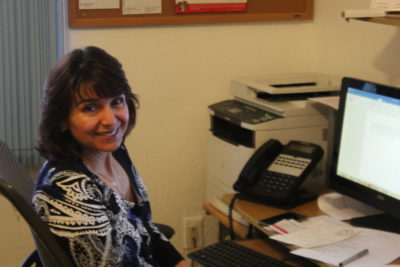
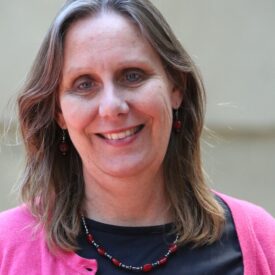
They come to the border from all across the globe. Andi Atkinson is executive director of La Posada Providencia, an emergency shelter started in 1989 in San Benito, Texas, about 20 mile north of the border, by the Sisters of Divine Providence. The center was created after one of the sisters began helping immigrants get legal assistance and found “almost all were asking to sleep on the office floor,” Atkinson said. “They had no place to go.”
Atkinson became La Posada’s executive director about six months ago and says “it’s amazing how many people from all over the world end up in this little town” – from Congo, Cuba, Russia, Ukraine, Guatemala, Honduras, El Salvador, and more. “We have violence all over the world,” Atkinson said – last summer she met a woman from Russia who was a victim of human trafficking. “They all have horrific stories to tell, but they are all different.”
Those at La Posada have been released from one of the immigration detention centers and are allowed to remain in the United States pending resolution of their asylum petitions. The Central American immigrants tell of how “gangs have taken over their country,” Atkinson said, extorting money from those who run small businesses and responding with violence when people can’t or won’t pay. Some asylum-seekers say they fled after members of their families were threatened or killed. Some of the women are trying to escape domestic violence from their husbands or partners.
When they arrive at La Posada, sometimes the children are sick, toddlers with coughs and runny noses from their time in the icebox. “It’s a jail,” Atkinson said. “It’s not meant for comfort.” She says of the immigrants: “They’ve all been jailed. They’ve all been handcuffed. They’ve all been detained.”
La Posada provides temporary shelter for those in crisis – immigrants seeking asylum, many of whom have been released from detention but are waiting for friends or family to send money for a bus ticket.
Many stay a week or two; some with more complicated cases several months. When the funds for tickets come through, “we put them on a bus and help them to finish their dreams,” she said.
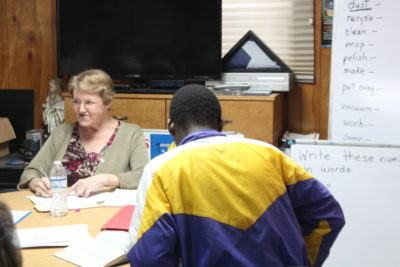
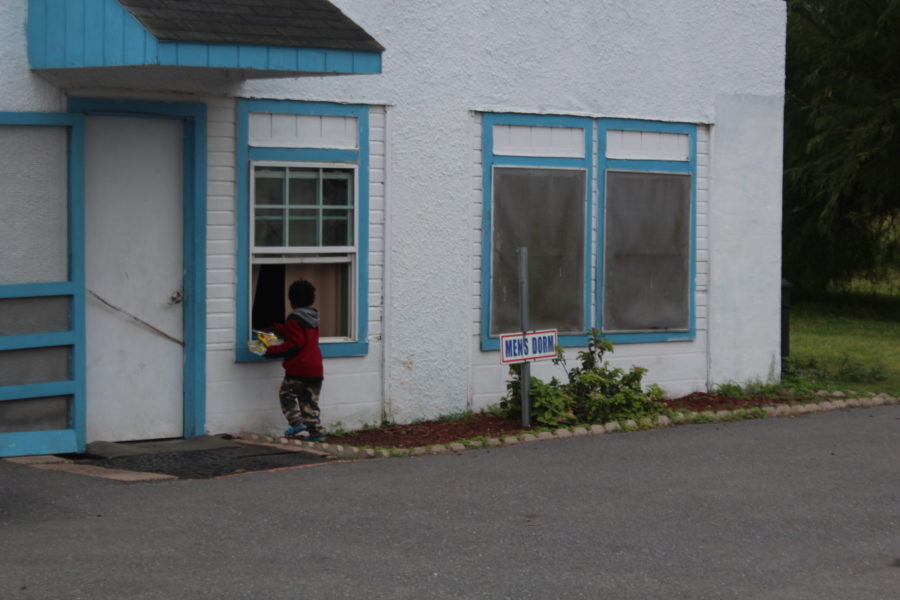
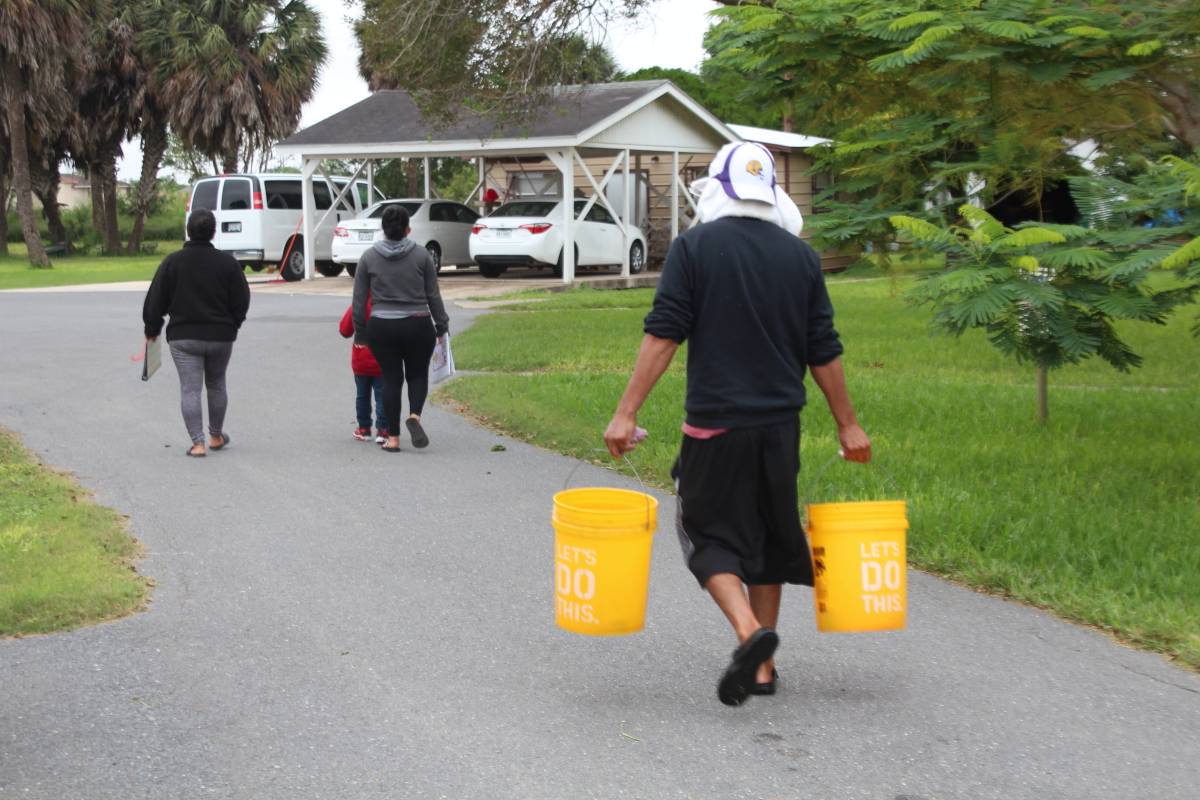
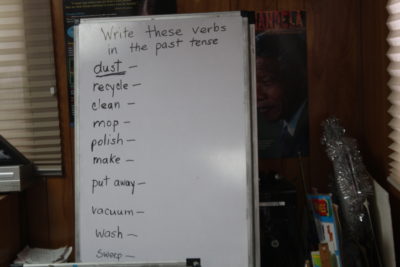
The shelter has two small dormitories – one for men, one for women – each with space for 12 adults. If there’s an overflow – “we don’t want to say ‘No’ even when we are at capacity,” Atkinson said – people sleep on cots and mats in the dining room. Everyone helps with the chores – washing dishes, cleaning bathrooms, preparing food – and takes either English as a Second Language instruction or, if they already know English, classes to prepare them for their citizenship exam.
Atkinson is worried about the caravan – about the threat of violence if President Trump sends soldiers to the border to meet them, or if immigration opponents show up with guns. Trump said this week he will send more than 5,000 active-duty military troops to the border by early November. “I actually fear for the caravan,” Atkinson said.
An asylum seeker is “someone who had to leave their country, but didn’t want to leave their country – kind of like Mary and Joseph,” she said. “It’s kind of amazing how many Americans don’t want to let in immigrants any more, especially if those immigrants are poor and people of color. … It’s amazing how many Christians don’t want to let immigrants in, even though the gospel mandates you are supposed to treat the foreign-born the same as the natives. So many Christians have forgotten some basic things from the Bible.”
How can people of faith help?
 First, get involved in advocacy on immigration policy. Atkinson, who is Methodist, contends that “it’s time for the church to start addressing these things,” to set aside the reluctance to talk about politics in church. “The church has to take a stance” on matters such as racism or immigration policy that involve questions of justice, she said. “Stand up for the people who don’t have a voice. You have a responsibility to address those issues and do what Jesus Christ would do. If that means standing up for the powerless, you need to do it. … Are you doing what Jesus would do – bottom line. Would Jesus support this policy?”
Second, send volunteers or financial support to those working directly with immigrants – those on the front lines of the humanitarian response. Many groups have set up online accounts for donations with specific wish lists of what’s needed most. “Put your money where your mouth is,” Atkinson said.
As she spoke, a man from Cuba stepped into Atkinson’s office to give her a big hug – he was leaving, off on the next step of his journey. At La Posada, sometimes the immigrants become like family, and it’s hard to say goodbye, Atkinson said.
Her hope: they’ve had a chance to breathe, to rest, to gather strength for whatever’s ahead.