The Committee on the Office of the General Assembly (COGA) voted June 11 to recommend a new piece of business to the 2020 General Assembly of the Presbyterian Church (U.S.A) – a recommendation called “On the Church in this Moment in History,” an attempt to respond to some of the concerns sending protesters into the streets across the nation, and to criticisms that this General Assembly may not be doing enough about social justice.
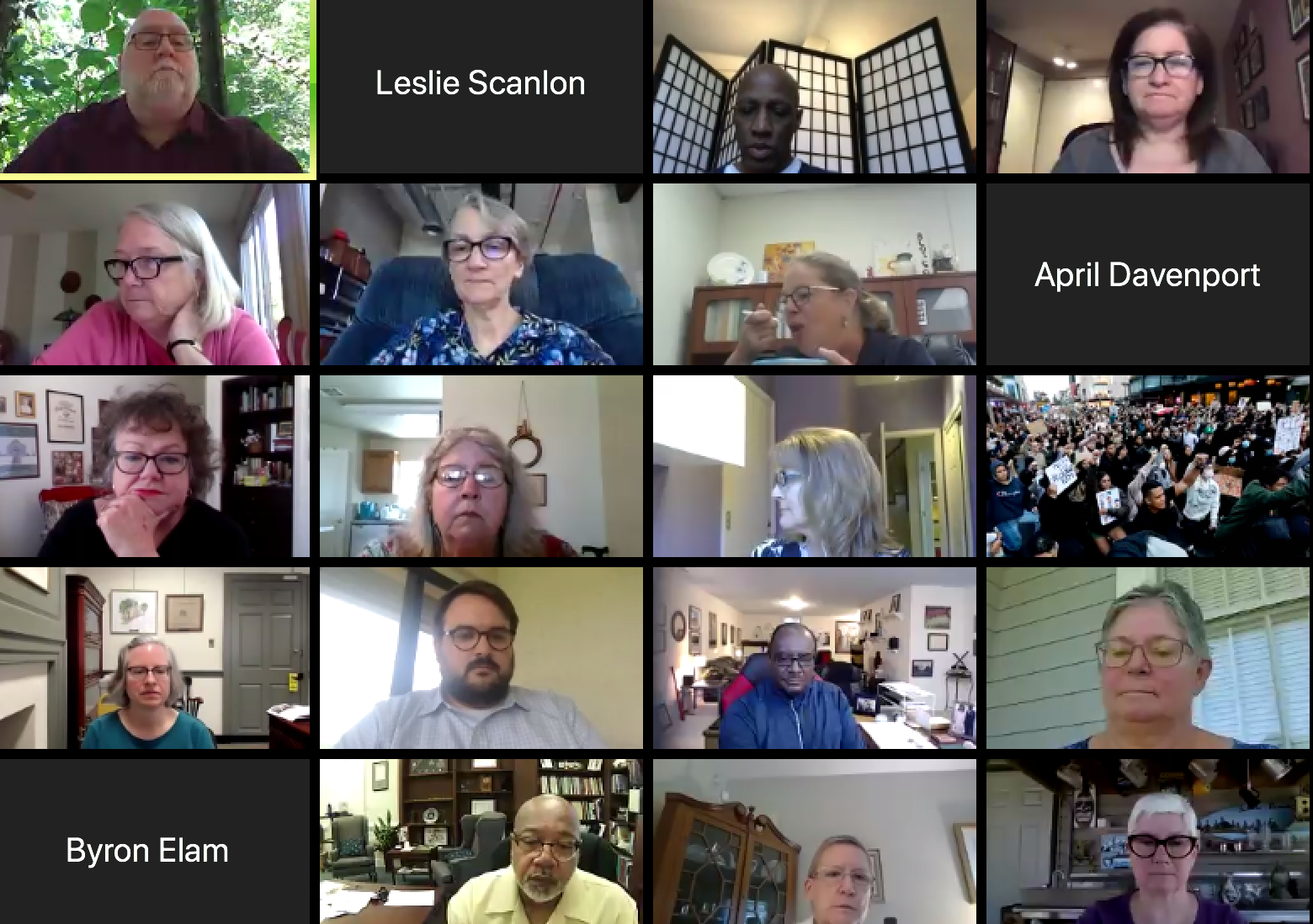
COGA has heard from many “that the church must speak at this moment,” said Tricia Dykers Koenig, associate for mid council relations with the Office of the General Assembly. And there’s a sense that what’s considered “core and critical” business – the filter COGA has been using to decide which business to recommend that the 2020 General Assembly consider – has shifted in recent weeks, following the police killing of George Floyd May 25 in Minneapolis and the protests that have rocked the country ever since in response to systemic injustice and racism.
Because of the COVID-19 pandemic, this General Assembly will be meeting virtually and with an abbreviated schedule. The question of what business will be on the list is becoming increasingly tense – with an acrimonious dispute gone public involving the status of San Francisco Theological Seminary and the possibility that some commissioners may want to propose new business addressing directly the blazing concerns of the day, such as COVID-19, systemic racism, police funding and tactics, and the killings of Floyd, Ahmaud Arbery, Breonna Taylor and other people of color.
“We have not established a consent agenda,” COGA’s moderator, Barbara Gaddis, said repeatedly – stressing that COGA has made recommendations to the assembly’s Committee on Business Referrals, which will meet June 18, but it will be up to that committee to make any recommendation to the assembly on a consent agenda.
COGA did vote during its Zoom meeting June 11 to:
- Ask that the “On the Church in This Moment in History” (Item A – On the Church in This Moment in History) be added as new business – something that would require a two-thirds vote of the assembly. “This action offers the General Assembly a place to begin” in discussing concerns rising from current events, Koenig said – and encourages Presbyterians in congregations and mid councils to use existing PC(USA) social witness policy to continue doing the work they see as vital.
- Change the start time for the election of co-moderators by one hour – pushing the start of that election back from 8 p.m. to 9 p.m. EDT – to give more time that night for discussion of the docket for the plenary sessions to be held on June 26 and 27. As commissioners consider what items they want included on that docket, the assembly planners did not want them to feel rushed, said Julia Henderson, interim director of assembly operations.
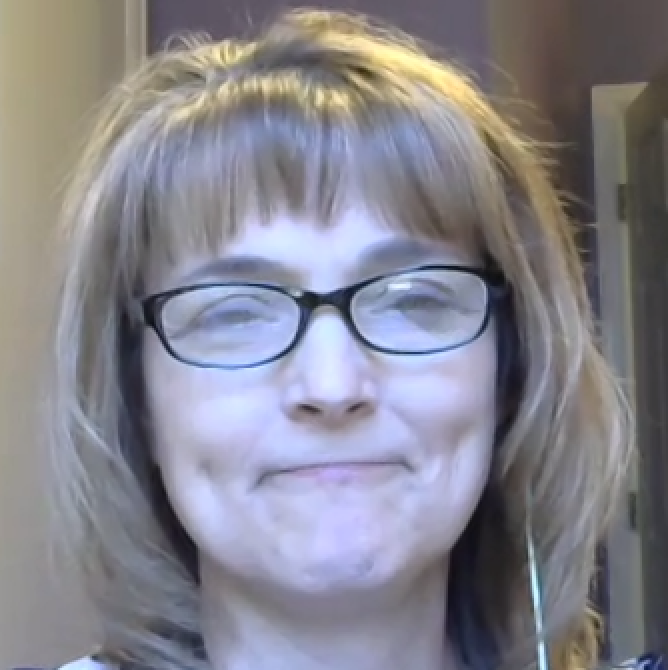
Julia Henderson, interim director of assembly operations, said more time is being given during the June 19 plenary for commissioners to consider what business should come to this assembly. serves as interim director of a - Ask the Presbyterian Mission Agency Board to join with COGA in providing two optional online spaces for commissioners of color to gather for conversation, prayer and support. One would be before the assembly convenes and one during a break or meal time on either June 26 or 27. The purpose would not be to discuss any assembly business, but for prayer and support, to “share the difficulty and the stress that can come with being in primarily white spaces,” said COGA member Eliana Maxim.
One limitation to that: COGA is asking that any persons of color who are standing for election as co-moderator of the assembly not attend the first session, “so there is no appearance or any chance that it looks like a campaign event or a chance to influence that election at all,” said Stephanie Anthony, COGA’s vice-moderator.
J. Herbert Nelson, the PC(USA)’s stated clerk, pushed back on the idea that having a shortened General Assembly this year and referring overtures to the General Assembly two years from now means that the denomination is not concerned about social justice.
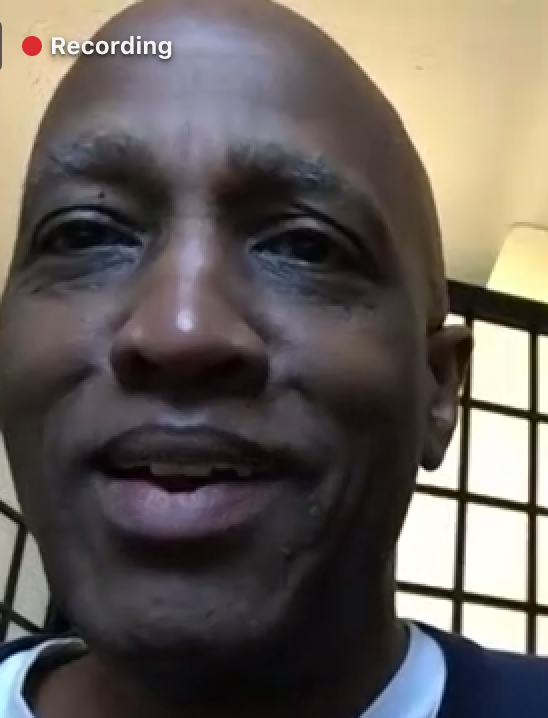
In the PC(USA), “we have enough social justice policy to challenge all of the racism we are seeing,” Nelson said. By necessity, this virtual General Assembly will involve some experimentation, he said – and, despite all the hard work, the possibility of some glitches.
“We’ve tried to put together the best assembly we can in the short period we have,” Nelson said. “Let’s get through it. Let’s walk this walk together.”
Even if some business gets referred to the assembly two years from now, Presbyterians will continue to work on justice issues around the globe – and have the policy in place already to support that, he said. Even as this assembly experiments with a virtual format, “there has been no neglecting of the conversations” about race and injustice.