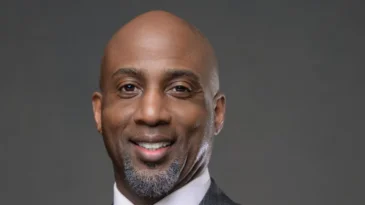
Kimball, a pastor at Vintage Faith Church in Santa Cruz, Calif., said we often think of missionaries in the context of overseas service. But by studying the demographics of its own community before planting a church, Vintage Faith was able to discern a mission field in its own backyard.
Kimball encouraged conference attendees to rethink church, evangelism, leadership and buildings.
Instead of copying a model of how we think church should be, church planters could think about how a missionary would plant a church that reflects a community’s values and people. This doesn’t mean throwing out the gospel, but just as a missionary would learn about and adjust to a country’s culture, church planters should consider the culture around them, Kimball said.
When it began, Vintage Faith met in a nightclub, just as other church plants might meet at a coffee shop or a pub. Such changes require planters to think about how “church” is defined biblically. In the Bible, church is not about the place, but about a group of Jesus’ followers on a mission together, Kimball said.
“We can’t go to church because we are the church,” he said.
Rethinking evangelism means moving from seeing evangelism as a program to seeing our identities as missionaries.
This identity should affect how churches make decisions and determine successes. The church should function like a missionary training and support center, with pastors rethinking their sermons to motivate missionaries.
When talking about rethinking leadership, Kimball turned to Ephesians 4:11-12, which reads “The gifts he gave were that some would be apostles, some prophets, some evangelists, some pastors and teachers, to equip the saints for the work of ministry, for building up the body of Christ.”
At Vintage Faith, volunteers are listed on the bulletin along with paid staff, showing that they are as important as the pastors. Especially at large churches, pastors teach and make decisions, but they don’t often know members by name — they don’t actually pastor. That work is often left up to volunteers.
Kimball asked the pastors in the group if they spend more time guarding and creating committees, processes and hierarchies than they do training people to use their God-given gifts for mission.
When rethinking buildings, it’s important to remember that we’re not in God’s house — we are God’s house, Kimball said.