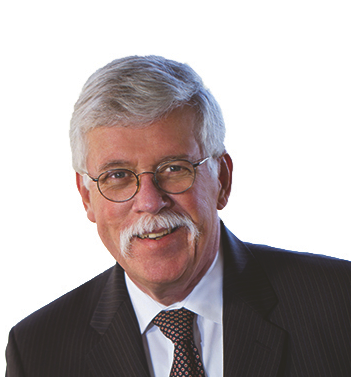
When I talk with younger clergy, they frequently ask me: “Is your generation ever going to retire?” The frustration in the questioners is palpable. Generational tensions have developed as younger pastors understandably wonder when we boomers (I am age 67) are going to step aside. Younger clergy know that as long as the boomers remain in place, the job market will remain extremely tight. Their concerns are not unfounded. Many of my generational peers are choosing to work well past the age of 65.
Yes, our congregations get seasoned leadership when older clergy remain in place. But they don’t necessarily get the high energy, new idea-oriented leadership that younger generations have always provided congregations. In addition, with older pastoral leadership, our churches are not always served by clergy who are skilled at social media or knowledgeable about the spiritual preferences of millennials.
In some cases, the decision not to retire is economically driven. Pastors who have spent their lives serving small churches may not have built up sufficient pension credits to retire comfortably. To be financially viable, they have little choice but to continue working.
In other cases, the decision not to retire relates to ongoing projects that need to be wrapped up. I know a number of clergy whose congregations have started big projects and the pastors want to see them finished before they retire. As a result, they plan to continue working until age 70 or beyond.
Unfortunately, I also know clergy whose decision not to retire is fueled by a lack of vision for the next phase of life. They wonder, “Once I am no longer Rev. Whomever, Pastor of First Church, who am I?” It is a sad thing to observe pastors whose identity is so closely tied to their work that they can’t envision a life beyond their current position in ministry. Frankly, staying in active ministry because we don’t know what is next or fear what is next is a lousy way to live. It is not the proactive approach to life God expects of us.
I retired in 2012 after 38 years of parish ministry. I always said I would retire at 65 because I wanted to move aside and let someone else have the joy of being pastor of Western Presbyterian Church. But, looking back on it two years later, I now realize that I also retired because I was done. I ran the ministry car until there was no more gas in the tank. It was time to get out of the car and start walking in a new direction. I didn’t know what was next in life. But I knew what was behind me: parish ministry. I haven’t regretted retiring for a moment.
Has it been easy? No. It has been especially tough on my wife who has me around the house more than she ever expected! Retirement also isn’t easy because the issue of “what next?” is ongoing. I have found some great things to do. But I am always wondering what happens after the current project ends. I don’t have a 10-year plan like I did most of my life.
However, the blessings of retirement are abundant. Presbyterian pastors are blessed with a solid pension plan – a huge luxury in this age when defined benefits plans have basically disappeared; good healthcare thanks to Medicare; and an immeasurable sense of gratitude for the good we were able to do while we were in active ministry. In addition, the skills we developed as pastors of congregations translates into a lot of post-retirement opportunities. We are community organizers, good writers and know how to manage a small business. There are lots of organizations that can use our skills either in paid or volunteer capacities.
 Frankly, as I closed in on age 65, my biggest fear wasn’t what happens next. My biggest fear was people I respected wondering, “Will Wimberly never retire?” Right now, many of our younger clergy are wondering just that about the boomer clergy. If there are not solid reasons to remain in the parishes we serve, let’s retire and begin to investigate what God has in store for us next. Trusting in God, we know it will be something good.
Yours in Christ,
John