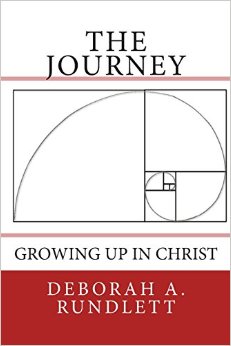
 by Deborah A. Rundlett
CreateSpace Independent Publishing. 188 pages
REVIEWED BY LEIGH B. GILLIS
The metaphor of journey is often used to talk about the spiritual life, not just by Christians but by people of many faiths. In Catholic mystic tradition, St. Teresa of Ávila’s “Interior Castle” framed the metaphor of spiritual journey, from exterior to interior. The journey was to begin by “entering the room where humility is acquired rather than by flying off to the other rooms. For that is the way to progress.” In Rundlett’s book, “the destination is not a place but rather a state of being. For Christians, this state of being involves Christ being formed in us.”
Spiritual formation is really the central theme of becoming followers of Christ who are vitally alive. The point of entry here, too, is one of humility and readiness for transformation. But this book is not her solo effort. Both Muskingham Valley and Peace River Presbyteries participated in a journey through the nascent materials, providing valuable feedback for the author as she saw the process unfold for them. It truly is a model for engagement, beginning with “The Invitation” to embark, knowing that the journey is to “Christ Formed in Us.”
The biblical metaphor of potter and clay is also explored. As expanded by Iranaeus, “it is not you who shape God, it is God who shapes you. If, then, you are the work of God, await the hand of the artist who does all things in due season. Offer the Potter your heart, soft and tractable, and keep the form in which the Artist has fashioned you. Let your clay be moist, lest you grow hard and lose the imprint of the Potter’s fingers.” Rundlett’s “The Journey” is an invitation to consciously let that clay be shaped.
Suitable for all ages from senior highs preparing for the transition to life away from home to older adult classes or retreats, the material “meets people where they are” along the journey. Although this book could be used and appreciated by an individual, since we must all do our own interior work, it clearly seems written for engagement with fellow pilgrims. It may be best read in community, whether during a weekend retreat or as part of a weekly group discussion.
A compelling job was done in tying together the stages of the journey, Scripture passages, words from mothers and fathers in the faith and personal story, making this an all-inclusive model of spiritual formation. “The 4 C’s” provide a compass for those on the journey: “Core Identity: Who am I?; Character Transformation: With whom are my core relationships?; Call: What are my strengths?; and Competence: What is my legacy? These questions are answered as Christ is formed in us.”
The frequent encouraging words from respected pilgrims such as Richard Rohr, Henri Nouwen, Meister Eckhart and A. W. Tozer add layers of meaning to an already ample resource for character formation taking place in the context of spiritual formation. For the Christian, they are the same, and this book can be a valuable aid.
LEIGH B. GILLIS is interim pastor of First Presbyterian Church in Goldsboro, North Carolina.