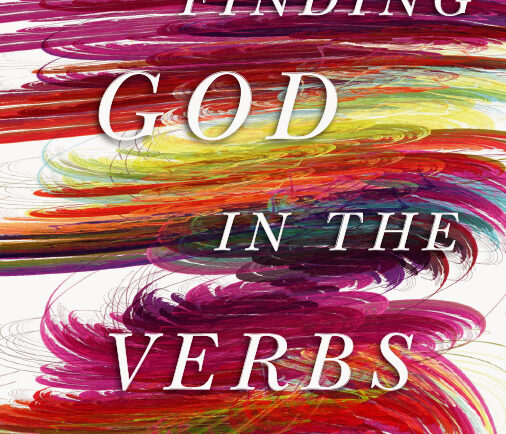
 by Jennie Isbell and J. Brent Bill
InterVarsity Press, Downers’ Grove, Ill. 192 pages
REVIEWED BY ASHLEY GOFF
The very first chapter of this book is titled, “A New Way to Pray.” The authors, Jennie Isbell and J. Brent Bill, deliver on those words.
Isbell and Bill set out to write a collaborative book on creating fresh language — new linguistic frames — for the individual prayer life. What Isbell and Bill present is far from some sort of cookie-cutter script for prayer. Warning against “snack-bar and microwave-meal equivalents of prayer,” they seek instead to flesh out a “home-cooked, made-in-love sort of prayer” that comes from an authentic self. Throughout, “Finding God in the Verbs” helps readers reflect critically on the prayers that they might have depended on as teenagers but that now seem inadequate for their adult lives. In considering her own journey with prayer, Isbell writes of a recognition that the “words of teaching songs from the Sunday school ladies [were] insufficient and in dire need of reconstruction.” The problem, from the author’s vantage, is that those words often become a theology, often unconsciously embedded in us.
To assist, Isbell and Bill provide reflection questions to break through readers’ routines, based on the theory that asking questions produces authentic personal prayers.
What do the words I pray imply about God’s nature?
What do your prayers bring to the surface about your hopes and fears?
What words are habit words you have about God?
The authors layer such questions throughout the book and build upon them in each chapter. The intent is to move the reader from an embedded theology to one that is more deliberate. To readers’ great benefit, they also have worked through these questions and offer their own testimony to the formation process that seeks to take readers to the growing edge of prayer.
Isbell and Bill also thread the notion of reactivity to the new language of prayer they depict. This is one of the strongest elements of the book because it invites readers to observe their emotional reactions evoked by the questions. The authors are clear that it doesn’t matter what those reactions are. What matters is the examination of it: “When we examine our reaction, we’re doing a lens check. We begin to think about whether our lenses are helping us see aright — or whether some adjustment might be needed.” If there is a limit to the book’s method, it is perhaps an overly narrow focus on prayer as something that is written and then spoken, as they put it, through the “lips.”
This would be useful book for a prayer group or formation class as this book, indeed, invites readers to create a new way to pray.
ASHLEY GOFF is the associate pastor of The Church of the Pilgrims in Washington, D.C.