by Agnes W. Norfleet
I’ve long subscribed to Journal for Preachers, a seasonal quarterly which resources the craft of preaching. The ecru cover is marked by a huge JP in the liturgical color of its seasonal release. Many years ago, when our young sons bounded in the back door after school, one of them noticed it on the kitchen counter with its big JP on the cover and blurted out, “Mom, you reading Junior Preacher again?”
At the time, I was self-consciously trying to overcome being junior at anything. Ordained in the 1980s, I was not on the front line of women entering ministry, but neither were we easily finding our way into preaching positions. When I moved from an associate to head of staff position, I knew few women who were also simultaneously raising young children and preaching every Sunday. Mine was the first maternity leave policy for pastors in our presbytery. I worked hard at learning to preach week in and week out, accumulated a library of biblical resources, seized opportunities to engage the practices of homiletics and hermeneutics and gathered regularly with colleagues who shared a passion for the art of proclamation. My son’s good humor aside, I was determined to grow into this unconventional calling by quickly moving beyond any notion of junior status.
The second grader who once asked me about reading Junior Preacher has recently graduated from college, and now nearly 30 years into this calling I realize the out-of-the-mouths-of-babes truth at the heart of his sassy question. I am and always will be something of a junior preacher: junior in the realization that preaching is a pursuit that can never be perfected; junior in the recognition that an ever changing church requires new forms of proclamation; junior in the sense that faithful preaching requires humility to grasp how human speech is inadequate to proclaim fully the grace and grandeur of the living God.
The church is still teaching me how to preach. When I began this vocational journey I could generally assume that most folks in the pew needed no definition of a Samaritan or a Sadducee, that they understood Reformed principles of biblical interpretation and that they could find their way to any book of the Bible without too much effort. These days our visitors and younger members are largely new to the Presbyterian tradition. Many were baptized by Catholic priests; some are married to Jews or Muslims or secular humanists. Some can’t remember if they were confirmed, and they are embarrassed to know so little about the Bible. Nonetheless they come with their faith and their doubt; they bring their children to the waters of baptism; they yearn to hear some good news from God.
Three points and a poem long ago gave way to narrative preaching; then we experimented with the form of a biblical text giving shape to the sermon, and dabbled in testimony for a while. Now the clarion call from the pew seems to be: Use whatever it takes to tell me the story, tell it plain, tell it with passion and tell the truth about God like you believe it. Then, Junior Preacher, let the power of the Holy Spirit do the rest.
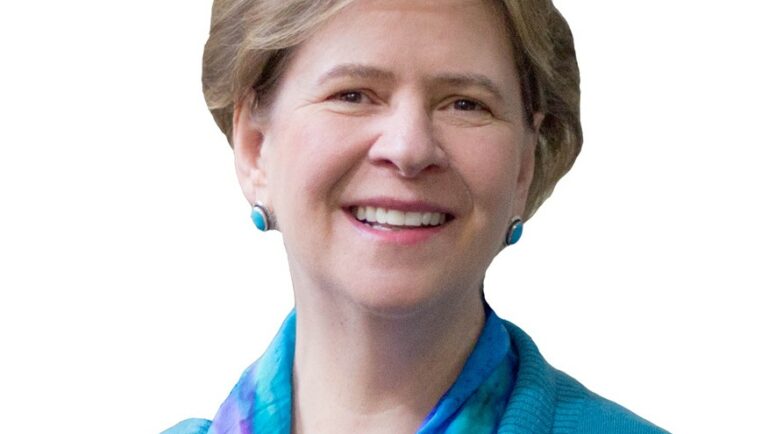
 AGNES W. NORFLEET serves Bryn Mawr Presbyterian Church as pastor and, with husband Larry Arney, enjoys exploring the environs of her new home near Philadelphia. She is a trustee at Union Presbyterian Seminary, a founding conversation partner in NEXT Church and an associate editor of Journal for Preachers.