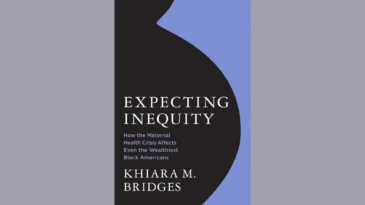
Expecting Inequity
Even privilege doesn't protect Black birthing people — Brianna Burton reviews Khiara Bridges' "Expecting Inequity" and makes the case for seeing the imago Dei in America's maternal health crisis.


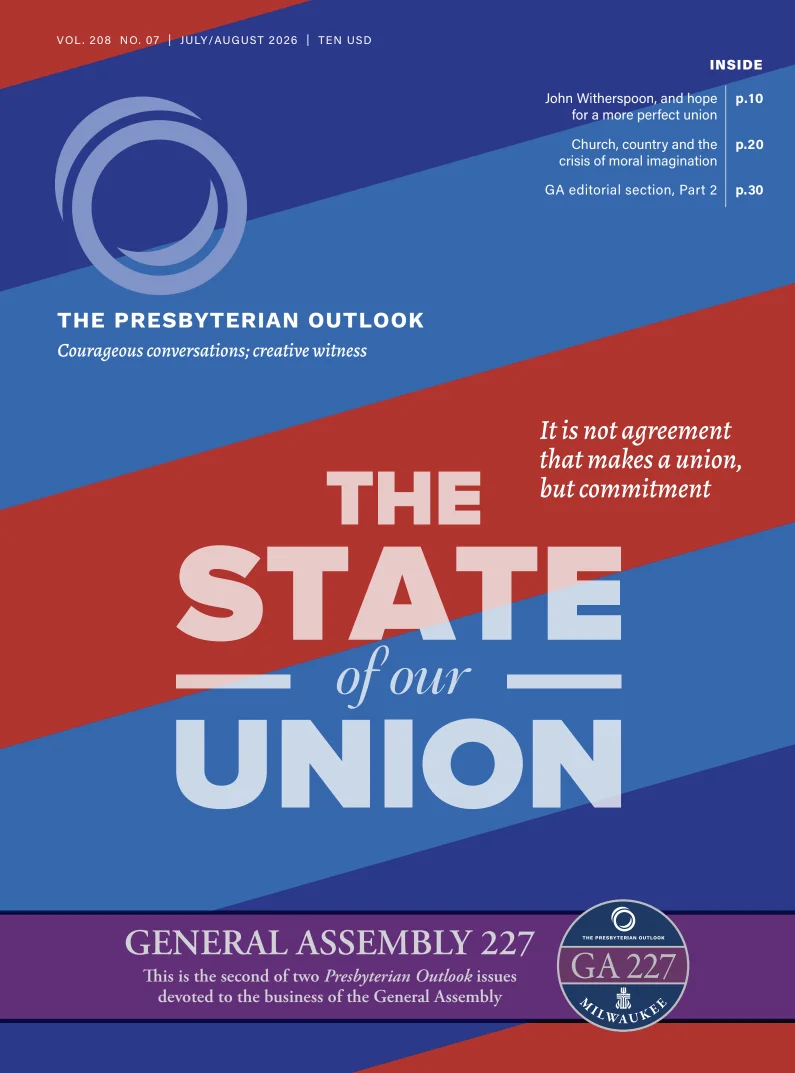
Two and a half centuries ago, a bold declaration reshaped the world’s understanding of human dignity and self-governance. However, the assertion made by those who signed the Declaration of Independence – that all people are created equal, endowed with unalienable rights – was not a description of their reality or of their full intent. The kidnapping and enslavement of hundreds of thousands of people from the continent of Africa and the systematic genocide and displacement of Indigenous Peoples of America contradicted the stated ideal.
Their assertion remains a future not yet realized.
This anniversary is a moment of dissonance: celebration for some, continued disappointment for others. The republic has survived revolution, civil war, economic collapse, and profound – and often state-supported – moral failures. Each crisis reveals both the fragility and resilience of democratic ideals. Yet the distance between the founding promise and lived reality remains, for many, devastatingly wide, and is widening — again, at the support of the state.
For many, this 250th anniversary is both civic and spiritual as we reckonhonestly with our past and deeply consider who we are choosing to become. In this issue of the Outlook, we ponder how we can find our way forwardfaithfully as people of God.
General Assembly 227
This issue of the Outlook is also the second of two issues devoted to the business of the General Assembly, which will be held in Milwaukee, Wisconsin, June 22-July 2. Visit our special section starting on page 30 for stories about the work and business of the Presbyterian Church (U.S.A.).
Even privilege doesn't protect Black birthing people — Brianna Burton reviews Khiara Bridges' "Expecting Inequity" and makes the case for seeing the imago Dei in America's maternal health crisis.
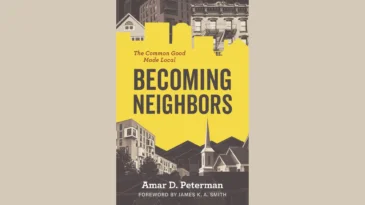
Loving our neighbor sounds simple — Aram Feinberg reviews Amar Peterman's "Becoming Neighbors" and asks if it's as easy as it sounds.
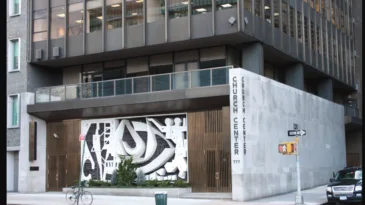
Jennifer Butler argues that mainline Protestants must reclaim a public, liberating faith to counter Christian nationalism and help heal a fraying democracy.
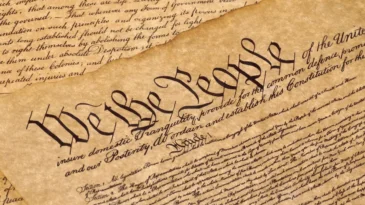
The juxtaposition of virtues and sins of John Witherspoon and other founding Fathers can lend wisdom for our own moment, writes James Calvin Davis.
Outlook Editor Teri McDowell Ott explains why the staff will step away for a week of Sabbath and why play is essential to our personal, spiritual and organizational flourishing.

On America’s 250th anniversary, faith communities model a fragile but hopeful vision of unity grounded in truth, repentance and shared responsibility, writes Teri McDowell Ott.
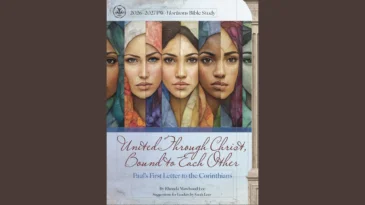
Rosalind Banbury's first reflection on the 2026-2027 Presbyterian Women/Horizons Bible Study.
As PC(USA) considers Liberia Project 180, church leaders say the work of apology and repair begins with “cleaning our own house” and telling the truth about the denomination’s role in Liberia’s colonization.
GEN-09 would fund new studies on sexuality, relationships and family life, updating PC(USA) guidance to reflect recent General Assembly actions.
Polyamory and polygamy are only two issues in the denomination’s larger discussion on family structure and relationships.
MRTI recommends divestment from two companies as a GA227 overture calls for broader action.

As more congregations adopt the title "senior pastor," Carson Rhyne asks whether the language reflects Presbyterian theology or imports assumptions about hierarchy from the corporate world.

Teri McDowell Ott shares a Sabbath prayer on rest, play and freedom from productivity guilt.

In the wake of the PC(USA)'s condemnation of Christian nationalism, Matthew B. Warren explores how Presbyterians can love their country without confusing it with the kingdom of God.
© Copyright 2026 The Presbyterian Outlook. All Rights Reserved. Privacy Statement. Website by Web Publisher PRO