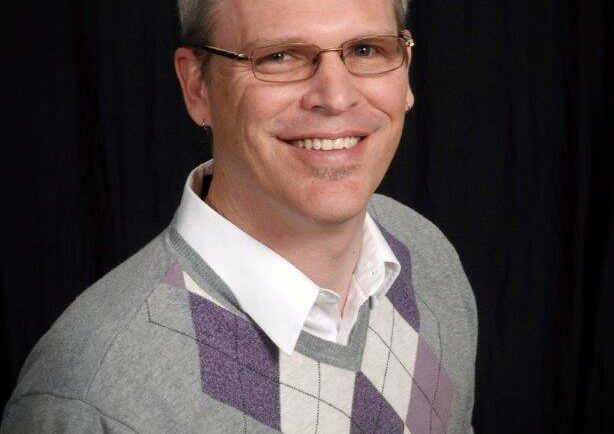
by Brian Shivers
The cell phone buzzes as the night turns into morning, and a voice speaks words that change everything … .
The newscaster begins the broadcast with a litany of another shooting, another attack and more senseless violence … .
The doctor calls after agonizing days of waiting with the devastating test results… .
The doorbell rings … .
The friend confides … .
The child falls ill … .
And we find ourselves in a liminal space — a space of transition, a space of not knowing, a space of waiting, a space between the comfortable confidence of what was and the frightening proposition of what is to be. In this space in between, our minds and our lives are often filled with sadness, confusion, doubt and disbelief.
And in these spaces, we wait. What else can we do?
We had hoped things would have changed. We had hoped that news of the resurrection of Jesus would have somehow made a difference. But the day after Easter we woke up to our same old lives and world. Oh, how quickly everything returned to normal.
Perhaps the disciples found themselves in a similar place after hearing rumors that the tomb in which Jesus had been laid was now empty. Perhaps they too found themselves in a space of transition, a space of not knowing, a space of waiting as they listened to eyewitness accounts from some in their number, their trusted friends, who were confident that they had actually seen Jesus.
It is into this space, this liminal space, that the author of Luke tells us that the resurrected Jesus stepped not as a phantom or as a psychological projection but as flesh and bones — a very real presence. The resurrected Christ stepped into this moment and spoke a word of peace. This word of peace gives a counternarrative to the messages of fear and anxiety that can dominate our days. This peace is different than the easy platitudes that are often passed around during times of conflict and discomfort. The kind of peace of which Jesus speaks and to which he points is a shalom that offers wholeness in times of brokenness, well-being in times of disease and completeness in times of fracture. This peace has the power to transform our times of fear and despair into moments of assurance and hope.
Jesus stepped into the space in between and showed his wounds to his frightened disciples to prove that it was really him. In a world, in a church where we would rather deny our wounds than acknowledge their reality, the risen Christ still bears the wounds of his crucifixion as a sign of hope, as a statement against the message that woundedness shows weakness and defeat. Fred Craddock wrote, “‘See my hands and my feet’ is Christ’s word to the church. Easter is forever joined to Good Friday, and to follow the risen Christ is to follow the one who bore the cross.” The risen Jesus bears the wounds of crucifixion giving hope and assurance to all of us who bear our own wounds that we too are alive and have survived. Through his wounds, the risen Jesus has redeemed the ordinary, reminding us all that God is faithful, that God is a God of covenant, a God of wounds, a God of resurrection.
We are witnesses of these things. And we are called to bear the presence of the resurrected Christ into the liminal moments, the everydayness, of life for and with one another.
The resurrection transforms our lives into testimony. The words of peace we speak into the lives of those around us and the wounds we courageously bear give witness to the resurrection and to the God who promises to be “with” us “through” all life may bring our way.
Indeed, we are witnesses of these things.
BRIAN SHIVERS is the senior associate pastor for spiritual life at Second Presbyterian Church in Indianapolis.