 Will Willimon
Abingdon Press, 154 pages
Reviewed by Karen Branan
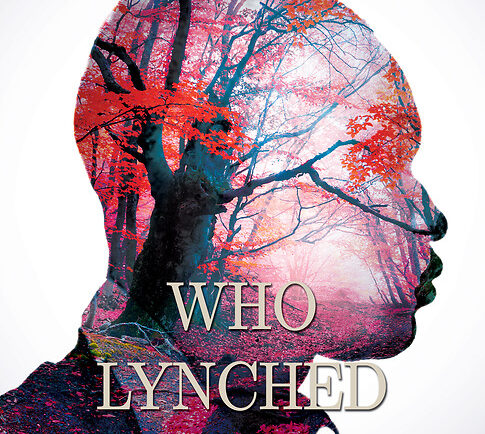
It was March 1947, and Hawley Lynn was two short years out of Yale Divinity School. He’d recently lost his wife in childbirth and his church building to a fire. He was raising his baby daughter alone in Pickens, South Carolina, when a poor, black man named Willie Earle was taken from a nearby jail and lynched. Lynn called a town meeting. When that fell apart, he acted on his calling and preached what Will Willimon calls “one of the most courageous sermons ever preached in South Carolina Methodism.”
Introduced to this man and his sermon as a Wofford College sophomore, Willimon, a Methodist bishop and former professor of Christian ministry at Duke University, heaps praise upon this early influence for the simple but unusual fact that he preached against racism in a day and region where that rarely happened.
“When a preacher dares to tell the truth we’ve been avoiding, the preacher pays tribute to the power of Jesus Christ to enable naturally deceitful people to be truthful,” writes Willimon.
He further praises Lynn for calling out the culpability of his own congregation by stating that while “a lawless mob” did the dirty work, they would not have done it had they “known that the whole weight of our moral disapproval would have fallen upon them.”
Lynn’s sermon was not without its flaws and Willimon discusses several while providing bedrock for what he believes all Christian ministers are called to in this period of great racial injustice. One of those flaws was Lynn’s failure to link Willie Earle to Jesus Christ, a failure James Cone ascribes in blistering detail to white Christian churches in the present day in “The Cross and the Lynching Tree.”
“The sermon was preached on the Second Sunday of Lent,” writes Willimon, “though there is no mention by Hawley of the cross or parallels between the death of Jesus and the death of Willie Earle.” Instead of calling upon his congregation’s commitment to Christ and God’s admonition that we are all brothers, created equally, he called upon the nation’s founding values and his listeners’ patriotism.
Another fault Willimon finds with Lynn’s sermon is his failure to address his members’ racism (both personal attitudes and the racist system they helped create and maintain), saying, “While he made dramatic reference to the pain white racism caused African Americans, I wish Hawley had spent more time in his sermon on some of the moral deformation that occurs in white people in a racist system.” The book provides ample and startling detail of the many ways modern American institutions hobble and harm African-American people.
Willimon describes in detail the reasons for personal and systemic racism, the toll they take on African-Americans and, while differently, on European-Americans. He candidly lays out his longstanding struggle with his own racism and his attempts, both failed and successful, in working with congregations to atone for theirs. He also draws on the sermons and projects of countless courageous ministers, past and present, to propose ways of confronting racism from the pulpit.
If every Christian minister in America took this book to heart, I predict that within a decade we’d be living in a far more united nation.
Karen Branan is author of “The Family Tree: A Lynching in Georgia, A Legacy of Secrets” (read the Outlook review) and the forthcoming “My Search for the Truth.” She lives in Washington, D.C.