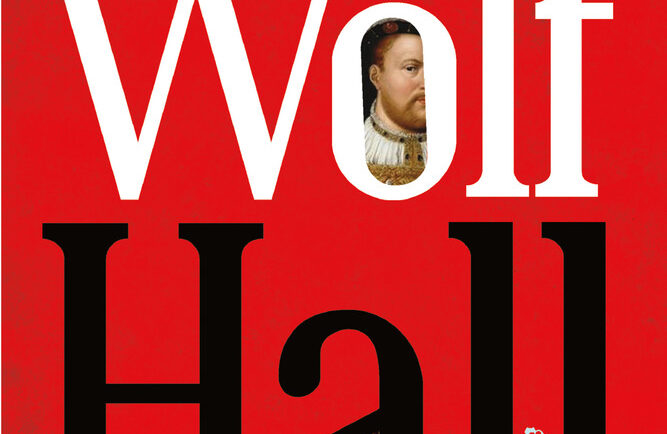

 Hilary Mantel
Picador, 640 pages and 432 pages
Reviewed by Lisa Kenkeremath
“Wolf Hall” and “Bring Up the Bodies” (parts one and two of a trilogy), chronicle the rise of Thomas Cromwell, counsel to King Henry VIII. Both novels have won the UK’s prestigious Man Booker prize. A third, “The Mirror and the Light,” is in progress. Each book ends with an execution: first of Sir Thomas More (the lawyer, renowned scholar and Lord Chancellor who refuses to swear to Henry’s sovereignty over the church in England), and second of Anne Boleyn (who has failed to produce a male heir and whom Henry seeks to discard).
The events of 1527-1536 are seen through the eyes of Cromwell, the son of a blacksmith who used to beat him. Leaving home at age 15, Cromwell had early lessons in man’s inhumanity to man. In popular histories and dramas, Cromwell figures chiefly as the sinister court functionary whose specialties were forced confessions and trumped-up charges. Mantel’s story gives life and humanity to this shadowy figure. Mantel does not minimize his opportunism and shrewd exercise of realpolitik, but in her telling Cromwell is neither cruel nor callous, but a family man and a friend of widows, orphans and animals.
If Cromwell is commonly portrayed as the villain who brought down Thomas More before engineering Anne’s destruction, More’s customary halo gets tarnished in “Wolf Hall.” Canonized by the Catholic Church in 1935, More is widely known as the saintly hero of Robert Bolt’s 1960 play, “A Man for All Seasons.” More, however, was instrumental in the burning of William Tyndale, among other supposed heretics and rebels. Mantel portrays More as a cold, merciless inquisitor who finds sport in humiliating his family in front of guests. More and Cromwell, who live by the art of persuasion, share a facility with words. Words, of course, are the fuel of the Reformation: words of Scripture translated into the people’s own languages; words in messages carried between the king and queen and their counselors and courtiers; words printed in books, carrying new ideas to and from the European centers of trade and discovery.
The theological issues at the heart of the Reformation pulse through these novels. We hear children arguing about the nature of the sacrament: Is it truly Christ’s body, or not? Seeking a loophole to allow Henry to divorce Queen Katherine and marry Anne, Cromwell and Wolsey debate Scripture to determine whether “children” includes daughters. Cromwell keeps Tyndale’s dangerous Bible in a locked chest. As people read the Bible for themselves, their eyes are opened to a story larger than they had imagined, as God writes “words in the books of their hearts.”
Psychological complexity, vigorous prose and rich detail distinguish Mantel’s storytelling. She has a keen sense of how the affairs of court are received by ordinary people, as they realize the implications of decisions made by the powerful for their businesses, marriages and devotional lives. For those closest to the king, of course, the smallest misstep (even an ill-timed remark or glance) can mean the difference between life and death.
Cromwell eventually lost favor with Henry over the king’s fourth marriage and was executed for treason in 1540. The events leading up to Cromwell’s own fatal misstep are the subject of the final book of the trilogy.
Lisa Kenkeremath is the interim pastor of Grace Presbyterian Church in Springfield, Virginia.