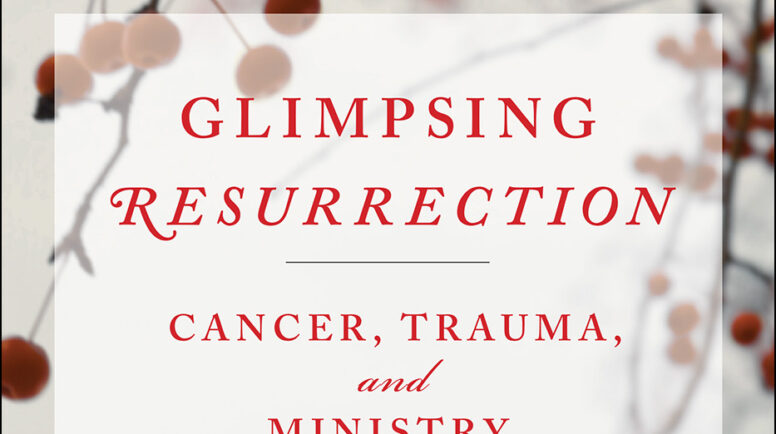
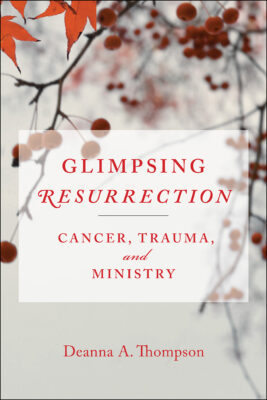
 Deanna Thompson
Westminster John Knox Press, 175 pages
Reviewed by Sharon K. Youngs
“Cancer stories are everywhere,” writes author Deanna Thompson in the opening sentence of her latest work. One of those stories is her own. Ten years ago, Thompson was diagnosed with stage-IV breast cancer. “I went from being a healthy, active forty-two-year-old wife, mother, daughter, sister, professor, neighbor, and friend to being a virtual invalid with a life and family in crisis and a lousy prognosis for the future.”
While this Lutheran professor of religion at Hamline University in Minnesota has an intimate knowledge of her subject matter, this isn’t merely Thompson’s autobiographical journey of living with cancer. She includes the stories of four individuals, also living in the “land of the ill,” whose experiences illustrate the physical toll cancer takes; how the pressure to tell “positive stories” curtails more realistic versions of what it’s like to be “undone by illness”; how cancer diagnoses “require renegotiation with the future”; and how all of these factors, when taken together, disrupt efforts to find nomos (“an orderly world that operates according to understandable laws”) in their lives.
“We want life to make sense,” Thompson writes, so we work to place “life with serious illness in a moral framework,” such as the common image of those living with cancer being “warriors called on to battle the cancer with all the ammunition we’ve got … and ultimately defeating it.” But nomos is practically impossible to find for those living with serious illness. Thompson prefers to view living with cancer through the lens of trauma: “the suffering that remains in the aftermath of events in people’s lives that threaten to overwhelm their ability to function.” She points out that more people than not who live with cancer exhibit at least one symptom of post-traumatic stress.
The Christian story is a source of hope and meaning for Thompson. She writes: “For months following my diagnosis, it looked like my stage-IV cancer story would swallow me whole. When it didn’t, it was the Christian story that helped make sense of what had happened. Dawn had come. I had been given new life.”
She notes in detail four places in the Christian story that “make space for expressions of anger, protest, and anguish” that emanate from “the ongoingness of illness-related trauma”: lament psalms, the story of Job, the godforsaken Christ on the cross and Holy Saturday. She follows with a vision of what it means to be the body of Christ to and with those who suffer, which includes “breathing room” for the traumatized to tell their stories and “have them really listened to.” Doing so provides Thompson “an exercise in hope.” She adds: “It doesn’t make sense of my own intimate acquaintance with cancer, but it helps me glimpse a divine future that opens more pathways of living with serious illness in this not-yet-resurrection time. My hope is that it will open up similar pathways for others who live with the death-dealing realities of serious illness.”
This isn’t a lighthearted book, nor should it be. However, Thompson’s honesty is refreshing. In addition, she is adept at weaving into her writing the perspectives of multiple theologians, educators and others. Finally, she has done much to enhance my pastoral ministry and personal friendships with those who experience illness-related trauma. I will return to this book often.
Sharon K. Youngs is pastor of First Presbyterian Church in Oak Ridge, Tennessee.