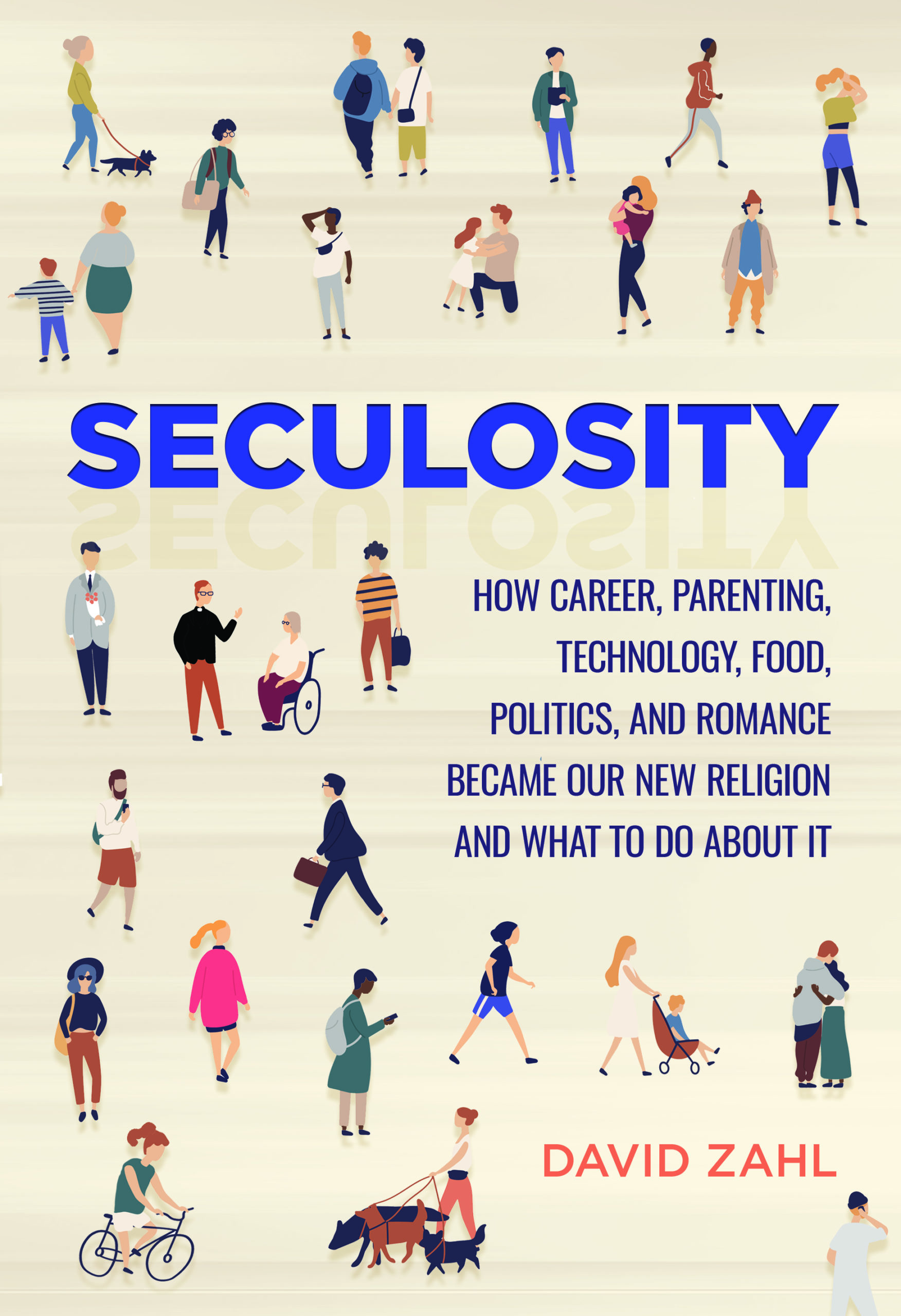
 David Zahl
Fortress Press, 250 pages
Reviewed by Rachel Landers Vaagenes
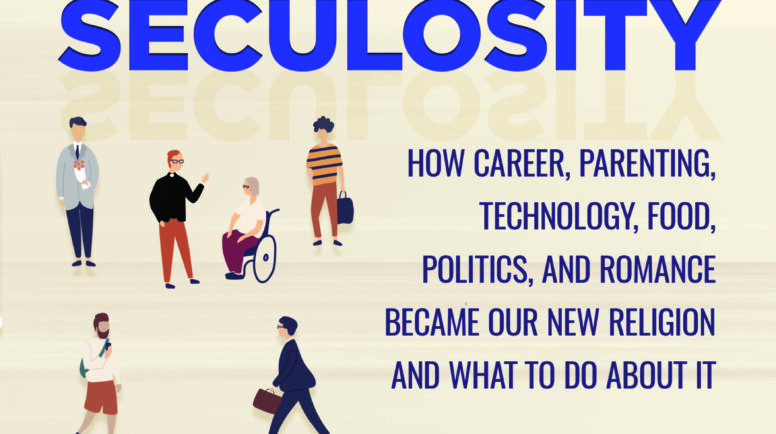
Seculosity is a made-up word that aptly articulates a current unspoken truth: even though people are leaving capital-R religion in droves, there are many other systems of belief waiting to fill the gaps. These small-r religions, what David Zahl calls seculosity, are “a catchall for religiosity that is directed horizontally rather than vertically, at earthly rather than at heavenly objects.” The theological word for this is of course “idolatry,” but Zahl cleverly introduces ancient concepts with new words devoid of centuries-old baggage.
Chapter by chapter, Zahl lays out how many of us (even Christians!) can substitute food, spouse, child, technology and more as a savior. These days, it can seem that fulfillment is just a Fitbit or a Whole30 away. Zahl points out the obvious (and not so obvious) problems with these pseudo-saviors. Because these things cannot do what we are asking of them (making us whole, happy, enough), we can never quite escape the feeling of judgment and guilt that accompanies our inevitable disappointments.
In his chapter “The Seculosity of Jesusland,” Zahl makes it clear that not even those of us who sit in the pews on Sunday are immune to the temptations of seculosity. Zahl helps us to remember that these things aren’t good (or bad) in and of themselves, but they become harmful idols when they are given too much importance in our lives. Systems of achieving righteous lives can slide into a life of self-righteousness.
Seculosity starts an essential conversation about the idols that creep into our lives and keep us from living in grace and gratitude. This is a valuable insight into our world and Zahl leaves no aspect of our lives unexamined. If you are a person of faith, or someone who is all too familiar with that sense of unease with the self-improvement movement, this book is a good first look at how we give too much importance to the things in our lives.
Yet while Zahl names a major problem in our society, the book is light on solutions. The chapters are formulaic and linger on the problem rather than positing a solution. Even in the final chapter (spoiler alert!) he reveals that — despite the subtitle of the book — there isn’t actually anything we can do about it. We must accept ourselves as we are, go with the flow, and allow God’s grace to be our beginning and end. While I agree with his conclusions, they felt tacked on and unearned, and pop references to “Game of Thrones” were distractions that left no room for the harder work of confronting seculosity with grace. And while I think he would be the first to admit this, Zahl seems to be as lost as the rest of us, caught up in the earthly delights and Seinfeld references he strives to escape from.
In the end, Seculosity starts an essential conversation about the religions that creep into our lives and keep us from living lives of gratitude and grace. If you have never thought about how worldly things can become idols, then this book can be a useful eye-opener, but if you’ve already woken up to the matrix of secular religiosity infused in American culture, you can take a pass.
Rachel Landers Vaagenes is a pastor at Georgetown Presbyterian Church in Washington, D.C.