In Genesis 37 and 39-47 we learn about Joseph, one of the sons of Israel. In a capsule, political and filial intrigue drove his brothers to sell him into slavery in Egypt.
There he was both successful and vilified; he was jailed and then freed by God. His ability to interpret dreams and help avoid famine in the land won the favor of Pharaoh who made him second in command in the land of Egypt.
Joseph continued to work hard and oversaw the country’s economy. Eventually Joseph and his brothers were reconciled. However, the conditions in Canaan were dire and Joseph brought his family, including their father Israel, before Pharaoh. “They said to Pharaoh, ‘We have come to reside as aliens in the land; for there is no pasture for your servants’ flocks because the famine is severe in the land of Canaan. Now, we ask you, let your servants settle in the land of Goshen’” (Genesis 47:4).
Pharaoh acquiesced and they settled in their new home. “Thus, Israel settled in the land of Egypt, in the region of Goshen; and they gained possessions in it and were fruitful and multiplied exceedingly” (Genesis 47:28a).
There were no immigration laws in Egypt at the time of Joseph. Pharaoh had the last word in all those decisions. Actually, if we continue to read, in Exodus we see that many years later a new pharaoh grew afraid of the prosperity and numbers of the Israelites: “The Egyptians became ruthless in imposing tasks on the Israelites and made their lives bitter with hard service in mortar and brick and in every kind of field labor. They were ruthless in all the tasks that they imposed on them” (Exodus 1:13-14).
This biblical story reminds me of the millions of immigrants who have been forced for many reasons to migrate to the United States. Some come as refugees and asylum seekers because of war, political upheaval and internal conflicts — escaping torture and even death. Others come because of the extreme poverty caused by the economic conditions created by unscrupulous corporations and corrupt local politicians.
Like Joseph probably had to do, these immigrants also learn a new language, new laws and new ways of doing things. They work hard, many times in jobs that others born in the country do not want to do. Many go on to earn degrees and become teachers and doctors and engineers. A significant number of them start new and successful businesses. They settle down with family and they and their children enrich and contribute to the fabric of society with their languages, songs, cultures and dreams for a new world where everyone is respected and affirmed regardless of their skin color or nationality.
Historically, immigration laws and reform have highly favored people from white, European countries. However, with few exceptions, usually due to the need for laborers, since the enactment of the 1965 Immigration and Nationality Act, immigration has been dominated by people born in Asia, Africa and Latin America, rather than Europe.
According to the Census Bureau, new data affirms that in the 21st century, the United States will move from a majority white country to a majority minority country.
The realities of these emerging majorities drive new pharaohs to lash out against these new immigrants from the Global South by trying to curtail immigration, increase deportation or place certain groups in cages and stop them at the borders even when they come seeking asylum against U.S. and international laws.
Can we imagine a world without the Josephs of today? What dreams are being truncated by these actions? What eventual angels or prophets are we failing to welcome into our neighborhoods and churches?
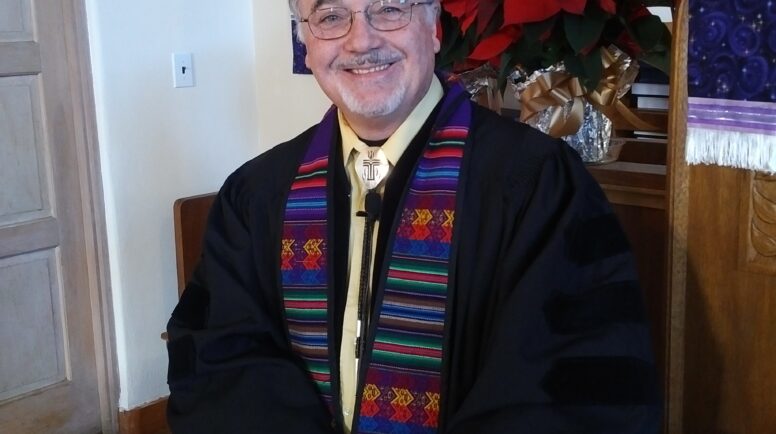
 Tony Aja is an honorably retired Presbyterian minister who lives in Orlando, Florida. He is moderator of the Hispanic/Latinx National Presbyterian Caucus at adjunct professor at McCormick Theological Seminary.