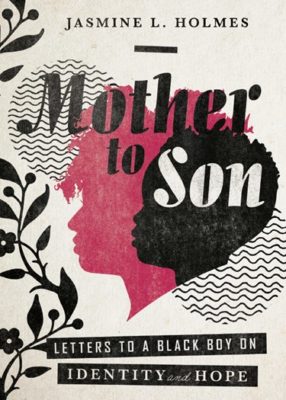
 Jasmine L. Holmes
InterVarsity Press, 160 pages
Reviewed by Gay L. Byron
Jasmine Holmes’ book “Mother to Son” is a series of 12 letters addressed to her son, filled with hope and wisdom for parents and those concerned with the challenges involved in raising Black children in a society where Blacks are shot down, murdered and vilified because of the color of their skin and the threat of their blackness. Holmes’ book is similar to books such as “Between the World and Me” by Ta-Nehisi Coates and “The Measure of Our Success” by Marian Wright Edelman, which offer encouraging, personal words on how to navigate a world not designed for Black males to succeed. Yet, Holmes’ letters are unique in that she is grounding her advice and wisdom in the teachings of Jesus with the explicit purpose of holding her siblings in faith accountable as her “blood-bought family in Christ.” With this in mind, the book has a twofold purpose: to give a glimpse into the heart of a Black mother’s love for her Black child (an inward look at the conversations she anticipates having with her son), and to reveal the heart of a sister for her siblings (an outward look at the necessity of cultivating environments that celebrate diversity).
The 12 letters deal with topics ranging from discipleship, marriage and social justice. In addition, six “interludes” (also written as letters) provide more direct commentary on racial and color perceptions, social media and the importance of mentors. My favorite letter in the book is “You Are a Different Story.” In this letter, Holmes encourages her son to embrace a variety of stories about faith, especially those that shine a light onto Africa, as opposed to solely relying on stories and biblical perspectives that paint Christianity as the “white man’s religion.”
This book was most likely in production when the social pandemic of racial violence spread across the U.S. last year — when Ahmaud Arbery was gunned down in Georgia, when Breonna Taylor was riddled with bullets while sleeping in her bed in the middle of the night in Kentucky or when George Floyd cried for his momma as his breath was squeezed from his neck under the knee of a law enforcement officer in Minnesota. My own son celebrated his 22nd birthday on the same day Floyd was murdered in May 2020. We spent the day celebrating his gift of life while grieving the loss of life for another mother’s son. Shall we write a letter for those who mourn?
Holmes believes that the church – the body of Christ – can make a difference in creating a more racially just society by creating an environment for constructive dialogue. Her letters in this book are meant for her sons and mine — and yours. However, the words may not reach them unless church leaders, teachers, community activists and all people of moral conscious read these letters for themselves and find ways to share them with all the sons and daughters in their circles of influence. The crisis we face in this country is not solely based in identity and culture, but rather embedded in power imbalances, ideologies and systems of oppression that are operating in the church itself, as well as in society at large.
This book fulfills its purpose in offering a glimpse into the heart of a Black mother, yet the responsibilities of her brothers and sisters in the Lord are not as clearly articulated. Perhaps learning more about the conversations between a mother and her son will pave the way for conversations between other parents, pastors and all those seeking a more just world for our children.
Gay L. Byron is professor of New Testament and early Christianity at Howard University School of Divinity in Washington, D.C., the author of “Symbolic Blackness and Ethnic Difference in Early Christianity” and the mother of two sons.