As people of faith, how should churches and individuals respond to the searing news from around the world?
Afghanistan.
Haiti.
COVID-19.
Climate change.
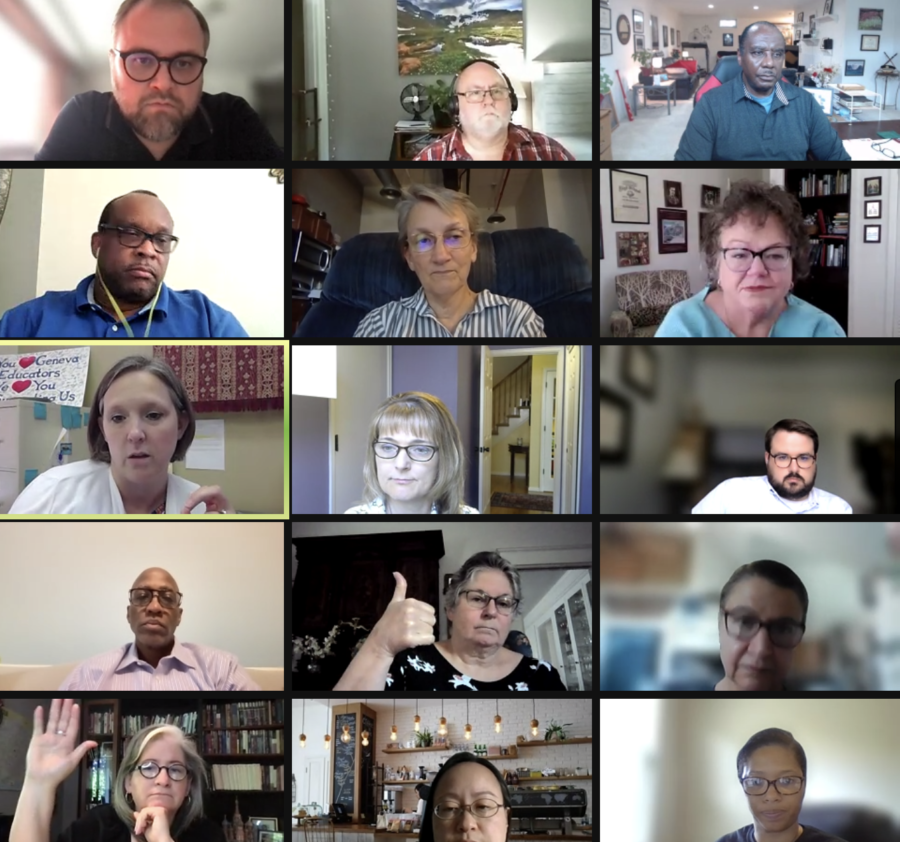
“We are in a global crisis in a lot of different directions right now.” J. Herbert Nelson, stated clerk of the Presbyterian Church (U.S.A.), offered that summary of an aching world during a sharing of concerns during an Aug. 19 Zoom meeting of the Committee on the Office of the General Assembly (COGA).
Some COGA members urged Nelson to issue a formal statement on behalf of the PC(USA), particularly on Afghanistan and Haiti — something congregations could read in worship on Sunday.
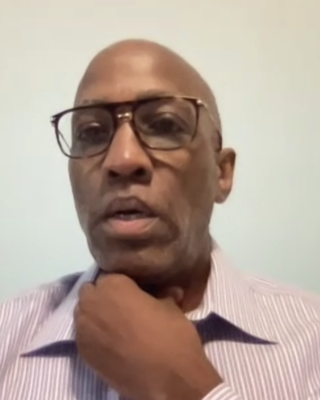 For church leaders, “talk to your military folks, just check in and see how they’re doing,” urged Sallie Watson, a COGA member who is general presbyter of Mission Presbytery in Texas.
In Haiti, more than 2,000 are reported dead following the August 15 earthquake, and rain and flooding from Tropical Storm Grace is adding to the suffering. That means “watching a nation that can’t catch a break” and seeing the enduring impact there of colonialism, said Eliana Maxim, co-executive of Seattle Presbytery and COGA’s vice moderator.
Haiti “just keeps getting beaten down,” and after every disaster, relief dollars and volunteers flood in — then people leave. “The actual systemic issues and problems of that country never get addressed, and the poverty never gets resolved,” Maxim said. “For the church, what an opportunity for us to address this theologically. How are we living into our calls to stand beside those who have been done wrong historically for so long?”
Shannan Vance-Ocampo, chair-elect of Presbyterian Mission Agency Board, said it’s vital to pay close attention to the recent report of the Intergovernmental Panel on Climate Change, a group of scientists convened by the United Nations. The report that group issued Aug. 11 described the devastation already happening from global warming, and the importance of acting quickly to try to slow things down.
“We will either have a hot future, or a future that kills everyone,” based on humanity’s addiction to fossil fuels, said Vance-Ocampo, general presbyter of the Presbytery of Southern New England. “We have to change course immediately.”
COGA member Sam Bonner, a ruling elder from New Jersey, said: “We continue to ignore a climate situation that before our own eyes is burning up the earth. … We must do something soon.”

Climate change, political unrest and more are producing global migration — refugees from Haiti already are showing up at the Texas border, Watson said. Resettlement groups may be called upon soon to provide shelter for refugees from Afghanistan arriving with basically nothing and in distress.
In some parts of the country, COVID-19 cases are rising so quickly from the delta variant that hospitals are running short of beds. Students are going back to school – either remotely or in person – and families are once again struggling with all the disruption the pandemic brings to their daily lives. Many pastors are exhausted and stressed. Congregations that have begun meeting in person now are having to decide, once again, whether that’s safe or they need a new approach.
All of this is shaking the world — and the PC(USA) is trying to respond, and also getting ready for the General Assembly in 2022.
COGA is responsible for General Assembly planning, and received updates at this monthly meeting on where some of that work stands.
- Plans are progressing for a $2.4 million renovation of the PC(USA) office building in downtown Louisville, to make space for committee meetings to be held in person. Contractors have been selected and demolition of areas on the first floor involved in the reconfiguration is scheduled to begin in September, said Kerry Rice, deputy stated clerk.
- Work is proceeding on close to 20 possibilities and decisions that need to be made — such as training of commissioners, providing chaplains during the assembly and determining how overture advocates will participate.
- COGA gave informal approval for one of its work teams to move forward using an approach suggested by the group Race Forward to examine how being intentional about choice points (small decisions made along the way) can result in making decisions that are more equitable.
 At the assembly, for example, this suggested approach could include taking “a brief pause” to remind commissioners about the range of options it might consider or the potential impact of an action (to create a special committee or close debate, for example) before commissioners are allowed to make motions on a particular item of business, said Jihyun Oh, director of Mid Council Ministries with the Office of the General Assembly.
Sometimes, commissioners act “in tiredness and in habit,” Oh said. This approach would try to pause briefly to center discernment in the assembly’s work; to make space for voices that are sometimes excluded and not heard; and to keep agreed-upon considerations of equity at the center of decisions being made.
Another concern raised in the COGA meeting: that some presbyteries are having trouble finding people willing to serve as General Assembly commissioners, given that candidates are being asked to hold three weeks on their schedules open, from June 18 to July 9, 2022, until the exact committee assignments are made, maybe next spring.
The ideal: “Creating an environment where all voices are heard and all voices are valued,” said COGA member Wilson Kennedy, a pastor from Virginia.
The reality: “We’re having a hard time getting commissioners,” said COGA member Lynn Hargrove, general presbyter of the Presbytery of New Covenant in Texas.