Alma Zaragoza-Petty
Broadleaf, 195 pages | Published November 1, 2022
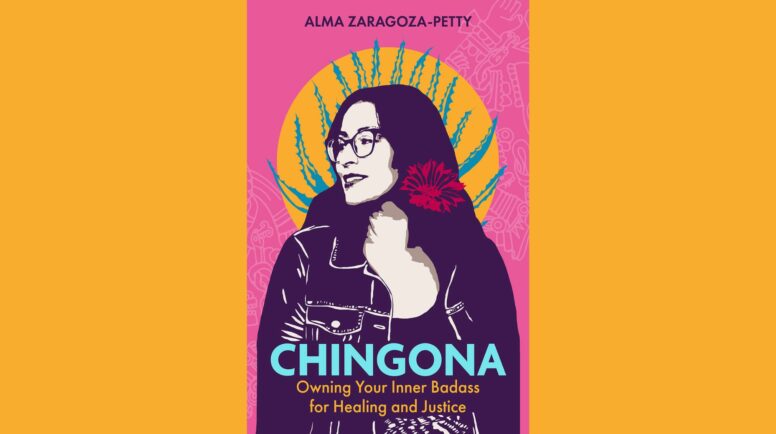
While I was immediately caught – and caught off guard – by this book’s title, it serves as a signal: in these pages, we’ll push boundaries.
To my bilingual ears, the word chingona has two aspects:
…one a vulgar, harsh judgment aimed at strong and opinionated women (the “b-word” in English covers similar territory)
…the other a gutsy and highly-debated reclamation of the word among (some) younger generations of Latinas in the U.S. and abroad, reframing the word to imply something more like the subtitle, “badass.”
Professor, activist, scholar and Christian Alma Zaragoza-Petty doesn’t use this edgy language to be vulgar, of course, but to illustrate we can choose to comply with systems that cause harm…or we can resist and craft a new way forward, reimagining even the words used to control us.
As a Chicane, Mexican American woman, this resonates; I echo Zaragoza-Petty’s encouragement that any of us can adopt this mindset in some form. Yes, her story is situated in a particular moment and in her embodied experience as a Mexican American woman living within the richly braided trenzas of languages common in immigrant families. Yet her argument is also global in saying systems of power limit and control us all in some form… and it’s an act of profound faith in ourselves, each other and God to break free.
Chingona falls into some of the traps the publishing industry perpetuates for authors of color (laying out personal traumas for instructional purposes) but this doesn’t limit its power. From a place of healing, Zaragoza-Petty presents a vision of a liberative and loving Christianity that is rich and powerful. And while it leaves unquestioned evangelical-adjacent theologies of suffering such as, “What did this suffering come to teach me?” [emphasis added], this conversation will continue to bubble up among traumatized immigrant communities as we hold conflicting truths of acknowledging wisdom can come from suffering, without implying we are being made to suffer to learn valuable life lessons.
The book needed another 50 pages to delve deeper into “Mija Spirituality,” Zaragoza-Petty’s term for the untranslatably tender, healed and liberatory relationship with Diosito (God), Jesús, and the Spirit that becomes possible when we live with courage, truth-telling and self-awareness (the chingona mindset). Thoughts like “I believe Diosito exists all around us, in all the violent masculinity… the abandonment, and the self-inflicted violence. We remain mijas of the Divine,” deserve to be fully developed as a powerful theology of suffering, beloved-ness and healing.
This is a book for those willing to engage rather than simply consume – ideal for personal reflection on how one’s own life story and ideas about God warm to what Zaragoza-Petty offers – and for those prepared to experience the blessing of holy confusion, as living with a chola or chingona spirit is a practice of freedom and following the way of Jesus. No matter what, as Zaragoza-Petty says it’s the journey that matters.
Presbyterian Outlook supports local bookstores. Join us! Click on the link below to purchase Chingona: Owning Your Inner Badass for Healing and Justice from BookShop, an online bookstore with a mission to financially support local, independent bookstores. As an affiliate, Outlook will also earn a commission from your purchase.
Want to join our monthly newsletter for book lovers? Sign up here.