 Tim Shapiro
Rowman & Littlefield, 187 pages
Reviewed by Allen D. Timm
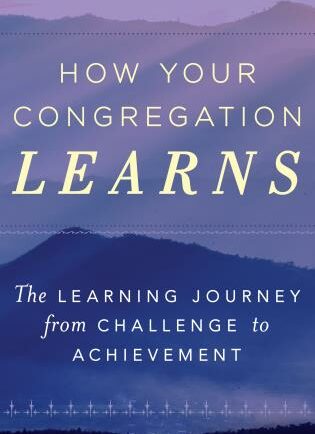
How can a congregation get unstuck? When a congregation keeps doing the same things and has the same disappointing results, it has become stuck. It is stuck in a routine. Tim Shapiro, a Presbyterian minister and president of the Center for Congregations in Indianapolis, has addressed the question of how a congregation can get out of their ruts and find new vitality. To get unstuck, they must learn. They must try new things, and then learn even more.
But how do they learn? First and foremost, they must describe the challenge they face. Leaders must ask what presenting problem or issue faces the congregation. What needs to change? Tim Shapiro gives just such examples in this book — such as Teri Thomas who is pastor of Northminster Presbyterian Church in Indianapolis. She noticed that fewer children attended Sunday school. Thomas raised an evocative question, one that would state the challenge: “Sunday school has died. Shall we bury it and see what might rise from the ashes?”
Once a congregation hears the challenge, it can move to diagnose the situation and find a path to change. This is the learning phase. Shapiro draws on Peter Senge’s work on learning organizations and describes a learning congregation as one that “facilitates the development of new abilities of its clergy and laity so as to continuously improve its capacity to address ever increasing demands for the sake of religious claims and commitments.” In the illustration above, Thomas described this when she said the church must find a way to teach the faith to children. She said the old way is not working. A new way must be learned to reach the children for the sake of Christ and his church.
Once a challenge is stated, the congregation can proceed to get unstuck. They explore the challenge by utilizing outside resources, like facilitators, books and stories of other congregations. They look for ways other congregations are facing the same challenge.
Even when new attempts fail, new ways can be tried, which can lead to discovery as the leadership responds and looks for other avenues and possibilities. Shapiro cites the disappointment one congregation faced when they fell far short of their goal for a capital campaign. Finding God in the disappointment led them to cut costs and to engage the congregation in owning the purpose and mission of the renovations. The funds followed. People saw the renovations would make a difference in the lives of people.
Congregations that take on a new challenge need to let go of some of the ministries that have been taking their time and resources. If a new project is to succeed, it must have enough people and dollars. The project needs to be lifted before the congregation and validated as a new ministry. Also, Shapiro reminds us that ministry that closes needs celebration.
Any session would gain from looking at Shapiro’s work to help them identify the challenge that lies before them. After the challenge is stated, they can learn together and find new purpose and mission. They learn how to extend the witness of Jesus Christ.
Allen D. Timm is executive presbyter for the Presbytery of Detroit.