 by Tara M. Owens
Intervarsity Press, Downers Grove, Ill. 240 pages
REVIEWED BY ASHLEY GOFF
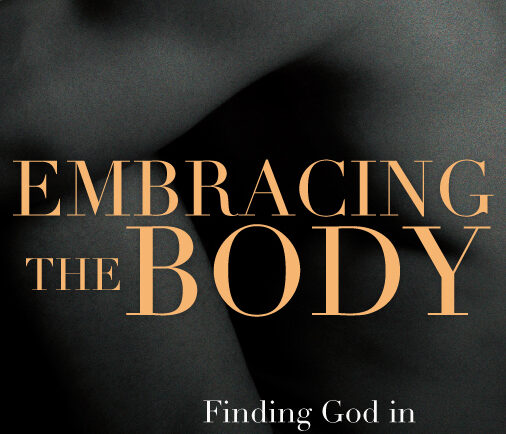
What does it mean to be at home in your skin? What does it mean to think of being your body rather than just having a body? What does it mean to have a heart attack at age 33, to realize that your heart is starved and dying? Through personal narrative, theology, biblical stories and spiritual practices, Tara M. Owens delves into these questions with great honesty and vulnerability.
With tender words and emotional depth, Owens offers a sacred space to ponder the fears of our bodies and how the subtle and overt messages we receive from church and society numb us to the murmurs from God that reverberate through our flesh and bones. For Owens, God binds up our broken pieces; through that restoration work comes our own healing, incarnational work of living as our whole selves. Owens writes: “When we are continually giving over our bodies to God, not just in our heads but in our prayers and actions, we are able to be conduits of the power of heaven and earth.” This is the point of the book.
The greatest strength of “Embracing the Body” comes at the end of each chapter with what Owens calls a “touch point.” Here Owens suggests a spiritual practice that connects to the themes of each chapter, from “Exploring our Impulses,” to “Encountering God’s Physical Creation,” to “Living with an Unglorified Body.” The practices are radical — they invite us to get to the root of who we are in our bodies: walking meditations to connect with our breath, body scans to examine/uncover tension points, sense awareness exercises and she even suggests self-anointing with oil as a daily practice of blessing our bodies.
What’s beautiful about these “touch points” is that Owens knows none of this is magic. She doesn’t promise any single exercise offers an instant connection with God. Instead, each “touch point” simply invites the reader to live into the tension, alienation or fear already held in the body. Owens writes “the tragedy of our relationship with our bodies … is that we’re constantly trying to eliminate the tensions we feel around them, instead of stepping onto the fertile ground of our fears.” In this way the “touch points” are mini-Sabbaths that teach us to encounter our bodies with intention, to stop, reflect and spatially experience the interior and exterior life of the body.
Alone, the “touch points” could easily make up an adult formation class or even a retreat. What “Embracing the Body” lacks, however, is an account of how race, gender and especially sexual identity fit into any of this. Discussions of macro political identities are largely absent, save a bird’s eye consideration of married and single life. The absence in how the social construction of our bodies impacts living as our whole selves felt like acute silence to this reader.
Yet Owens still tackles a much needed conversation in how Christians live with a profound disconnect with our bodies as we proclaim an incarnational and resurrected faith.
What does it mean to be at home in your skin? Step into “Embracing the Body” to continue your own healing towards an embodied faith.
ASHLEY GOFF is minister for spiritual formation at Church of the Pilgrims (PCUSA) in Washington, D.C. and ordained in the United Church of Christ.