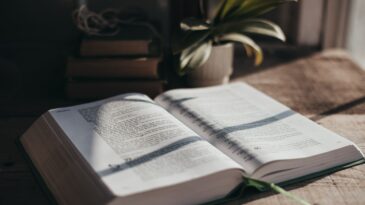
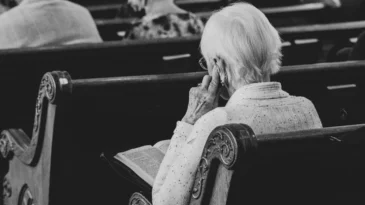
As a companion to our spring book issue, we asked our bloggers about their experiences of writing as a spiritual practice. Here are their blogs.
For as long as I can remember I’ve kept a journal. Not faithfully or regularly, but I’ve always had a journal by my side. A journal filled with things I want to remember, events that impacted me, quotes or poetry that captivated me. I write to process, I write to remember, and I write to decompress at the end of a long day.
As a student, if I wrote out note cards or outlines to study, I never had to go back to them. The act of writing what I needed to know was enough. I’ve been fortunate to have teachers who fostered in me a love of writing. Teachers who taught me that in writing sometimes less is more and that searching for the right word or image is worth the effort.
I spent a year as a Young Adult Volunteer in the Philippines and the journals that I kept from that time are precious to me. Every day I wrote down what surprised me or challenged me. I delighted in trying to describe the taste of new foods and the smells that assaulted me every time I walked outside. There are pages wrinkled from my tears and pages where the words are hard to read because in anger I wrote quickly and ferociously. There are prayers of lamentation and protest and thanksgiving.
Writing is how I process the world around me and my own emotions. Writing is how I pray. I have struggled with spiritual disciplines and maintaining a regular prayer practice – except that journaling has always been my prayer and practice. At the end of most days I sit and write, usually in prayer form. I thank God for the gifts of that day, knowing that even on the worst days I can find small things to be grateful for. I offer my prayers of supplication, writing and praying for the people in my life. I process my day, the emotions I have felt and the places where I fell short. It is in the act of writing that I come to realize where God has been at work and why I am fixating on a certain event or worrying about a particular person.
My love for writing is perhaps why sermon preparation is one of the biggest joys and challenges of my week. I always write a manuscript. Because for me, the sermon is not fully formed until I write. Some weeks I sit down to write the sermon with no clear direction, but in the process of writing, I see and hear where the Holy Spirit is leading the sermon. For me, the very act and discipline of writing a sermon each and every week is a spiritual discipline. To turn to the Bible, to wrestle and struggle with a passage, to keep seeking the good news found within its pages and to create a sermon, declaring that those ancient words are alive and active in our world today and in the Word made flesh, continually stretches and deepens my faith. Sermon writing, as a discipline, keeps me in relationship with Scripture, God and my community. In writing a sermon I take on the call to be a co-creator with God, and in that process I both lose myself and find myself.
It is always an act of courage and vulnerability to put pen to paper, to put into words my questions, longings and fears – whether it is naming in my journal the deepest desire of my heart, allowing a sermon to speak God’s words instead of my own or letting a blog post go out into the cyber world. The words are no longer mine. What I have learned is that in the process of letting go, of taking the risk involved in writing, God can and does take my fumbling words, imperfect grammar and stammering moments to transform them into something I could never have imagined. When this happens I can only fall down in gratitude, because it is not because of my skill, but only because of God’s grace.
So I write, each week and most days, because for me writing is an act of prayer and a discipline. Writing has taught me how to listen to both God and myself. In “Walking on Water,” Madeleine L’Engle eloquently speaks of the intersection between faith and art, words that have inspired and encourage me to keep writing.
“To work on a book is for me very much the same things as to pray. Both involve discipline. … Ultimately, when you are writing, you stop thinking and write what you hear. To pray is to listen also, to move through my own chattering to God, to that place where I can be silent and listen to what God may have to say. But, if I pray only when I feel like it, God may not choose to speak. The greatest moments of prayer come in the midst of fumbling and faltering prayer.”
 KRISTIN STROBLE serves as the pastor of Heritage Presbyterian Church in Youngstown, Ohio. She enjoys coffee, books, running and spending time outdoors.