I am currently part of a formation cohort through my alma mater, Fuller Theological Seminary. As a young female pastor, I’ve had multiple opportunities over the past seven years of ministry for formation experiences and groups. Every experience has its own perspective and its own gift. One of the things I value about this Fuller group is the intentional link between spiritual formation and mission. As we are formed in Christ, we are pulled further into God’s mission and our unique role in building for God’s Kingdom.
As a part of his doctoral studies, our leader, Brian Wallace, interviewed Christians who were pursuing God’s Kingdom mission of restoration and were flourishing as human beings. One of the things he noticed was that these folks typically were committed to regular spiritual practices (like prayer) and they, in Brian’s words, “cultivated hopeful expectation.”
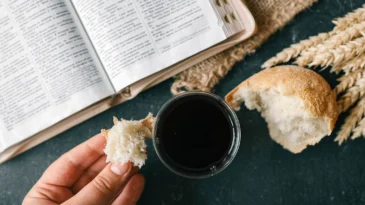
Every time they read Scripture, they expected for God to have a word for them. Every time they worshipped, they expected to encounter Christ.

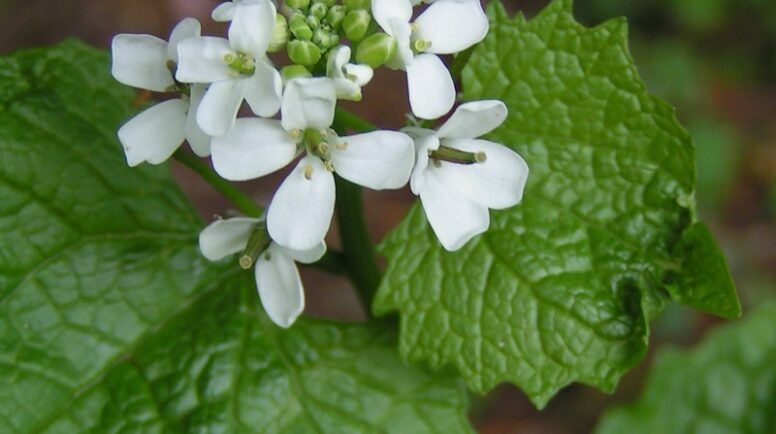
My interior spiritual life has not had much hopeful expectation as of late. Seeds of doubt sown years ago have, over time, crowded out faith. It reminds me of the garlic mustard weed threatening to overtake the native plants in Multnomah County, Oregon. My Fuller cohort stayed at the Menucha Retreat and Conference Center in Corbett, Oregon. Conference center staff asked us to rinse our boots every time we hiked (at least when we got mud on our shoes) in order to prevent the spread of this weed. Garlic mustard has no natural predators in Oregon, and it easily overtakes native plants for soil and water. Plus, it sprouts many seeds every spring, seeds which lay dormant for a year and can survive for five years or more. It is a difficult plant to keep under control.
Doubt is like garlic mustard for me. Every time we lose another church member to cancer, doubt drops a seed in my spirit. Every time a prayer goes unanswered, it gets a little hard to pray boldly, with confident expectation in God’s ability to hear and willingness to answer that prayer.
I still choose to trust God in the midst of the pain and disappointment that is inevitable for anyone involved in pastoral care, in walking alongside people in their most difficult seasons. And yet, over time, prayer becomes more difficult, Scripture reading becomes more rote. I struggle to stick with spiritual practices. Dogged determination to keep believing has replaced hopeful expectation. I don’t think that’s necessarily bad – my hunch is that we all go through seasons when doubt speaks louder than hope. And I suspect the only way to get through those seasons is to doggedly choose to trust God.
And yet, our spiritual practices can also shape us in hopeful expectation, depending on our posture in those practices. Do we approach Scripture, prayer, worship or any other practice in a posture of listening? And when we listen, do we expect to hear from God? We start with hope – we trust that God will speak to us when we engage with Scripture, we trust that Christ will encounter us when we worship him. And when God does speak, when Christ shows up, it builds our confidence and our expectation that God will continue to speak and show up.
We cultivated hopeful expectation as a cohort while on retreat together. We spent time in silence, listening to our lives; we prayerfully listened for one another in small groups; we listened to Scripture. And it began rebuilding hopeful expectation in me, not only as I experienced God speaking to me, but as I heard my cohort’s stories of God speaking to them. This was the most important lesson for me: When doubt spreads its seeds and reduces our faith, that’s when we need to listen, especially to the stories of the community of faith – stories of God showing up, stories that can begin to rebuild hopeful expectation in us.
 Rachel Young is the associate pastor of spiritual formation at Clear Lake Presbyterian Church, in Houston, Texas. She is married to Josh, who also serves on staff at Clear Lake Presbyterian as the director of contemporary worship and media.