What comes to mind when you hear Russia? Do you think of the tsars: Ivan the Terrible, Peter the Great, Catherine the Great, Alexander II (assassinated by anarchists) or Nicholas II (executed by the Bolsheviks)? Do you think about the Soviet Union: Lenin, Stalin, Khrushchev, Brezhnev and Gorbachev? Do you remember nuclear attack drills in school as a child? Do you remember the joy that most Americans experienced when the Soviet Union collapsed unexpectedly in 1991? Do you think about the current problems in Ukraine and Crimea, or the accusations of interference by the Russian government in our recent election? Or have you sat in the kitchen of Russian friends, drinking tea and talking late into the night? Russia is complicated and deeply tinged with emotion and memory. Propaganda on both sides has created stereotypes and the current polarizing political climate has intensified this.
The Presbyterian Church (U.S.A.) established the Congregational Twinning Program in 1994 to provide a way for PC(USA) congregations to come alongside Russian churches that had lived through a time of great persecution and isolation. With the collapse of the Soviet Union came the collapse of infrastructure and the loss of social foundations. The goal of the Twinning Program was to listen, erase Cold War stereotypes and help where asked as these churches explored education programs (from Sunday school to seminary), outreach and social ministry – all things forbidden during Soviet times.
First through a congregational partnership and then as coordinators of the Twinning Program, I have been involved in this Presbyterian effort to come together across international, historical, linguistic, cultural and denominational lines since 1998. Presbyterians weren’t the only ones out there. Russia was the cool place to participate in missions. Large teams came at great expense to pass out tracts and evangelize the supposedly atheistic nation without any provision for follow-up. Other teams came to plant new churches. There were Baptists trying to teach the Baptists how to be Baptist, Lutherans trying to help Lutherans be more Lutheran and others suggesting that the Orthodox change their calendar to the Western calendar after all these years. In all fairness, the Russians didn’t necessarily know what was valuable and what wasn’t. They did figure it out, but it wasn’t always possible to put a stop to that which was not helpful and redirect those well-meaning mission teams to what was really needed. They welcomed many to the table because they hungered for connection. They knew they had much to learn in order to engage in the ministry their suffering society needed.
Coming out of one of the early partnerships, I can say that we didn’t figure out right away what it meant to be in partnership with a Russian congregation. From the beginning, there were certain advantages to being Presbyterian. Most Russians didn’t know what that meant and, as we were working across denominational boundaries (Baptist, Orthodox and Lutheran), we knew we weren’t there to make them more like us. They were curious and asked many questions, which we answered, but all that really mattered to them was that we were brothers and sisters in Christ. The more important questions for them were not about denominational differences, but about our lives in Christ. On my first trip, the most urgent question asked of me was about what it meant to have Christian parents, for the asker did not and he wanted to know what it would mean for his children.
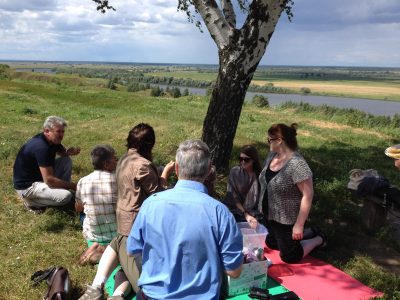
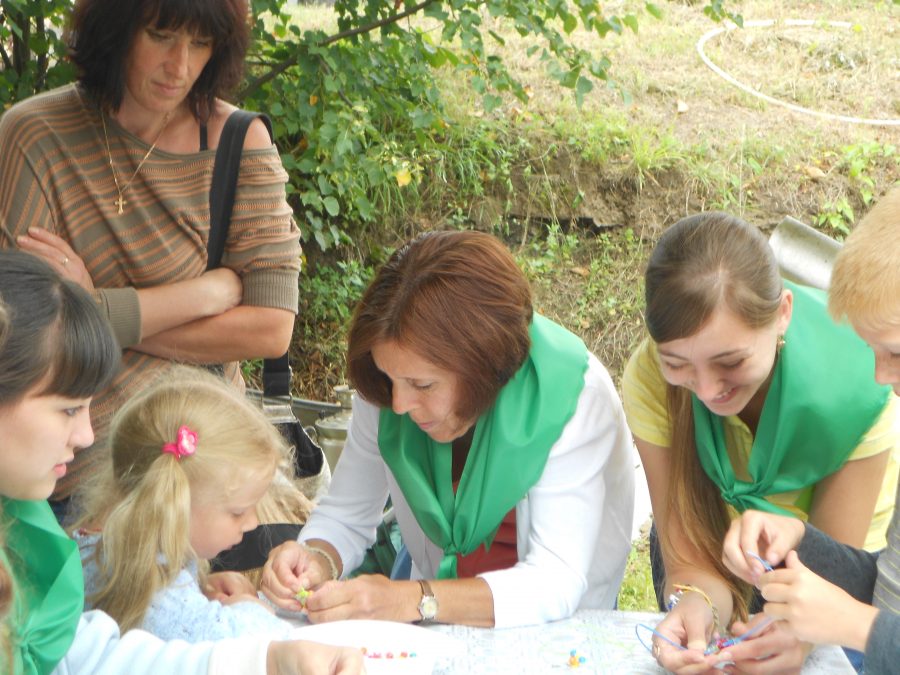
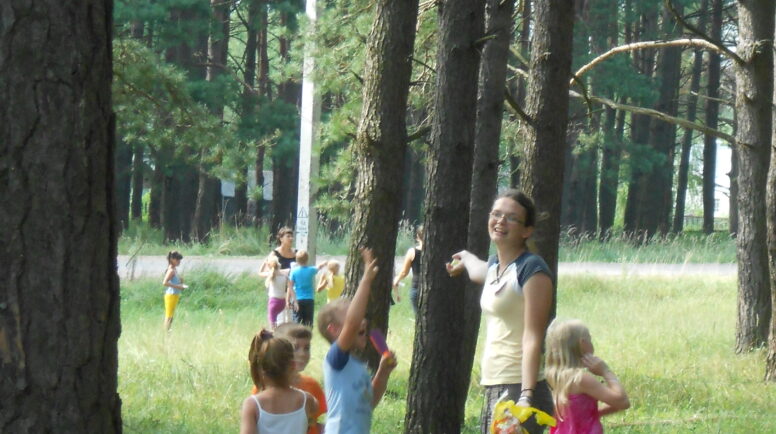
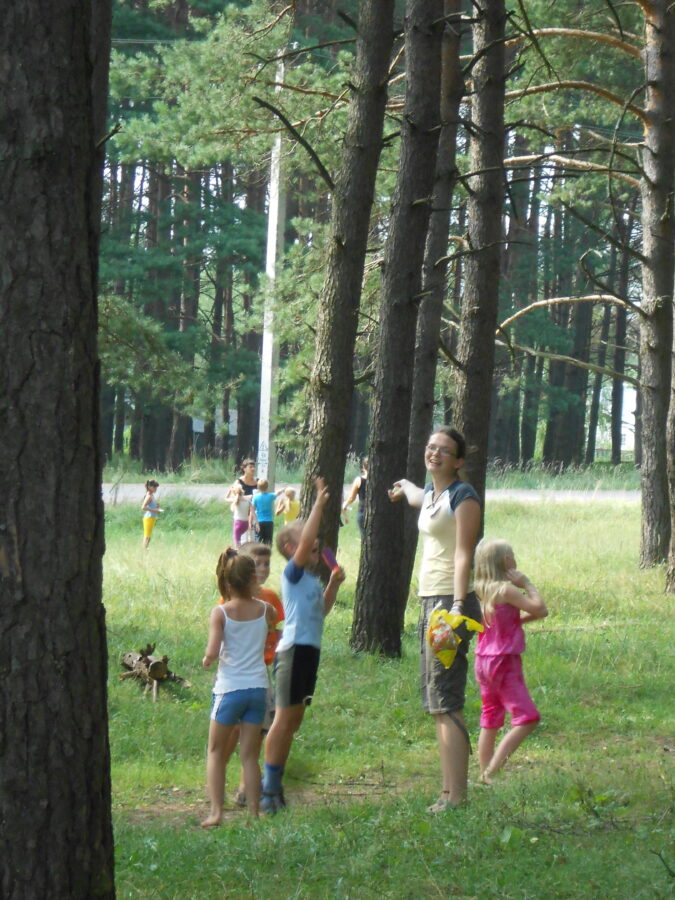
What does Presbyterian partnership look like? The goal has always been long-term relationship. Projects have arisen, but only after strong bonds of trust have developed, mostly through sitting at the table together drinking tea and sharing deeply. Hearing one another’s stories, it has been only natural to want to do something together. Often that has been in summer camp ministry. Multigenerational teams have come over to lend a hand, doing what was asked and deepening the bonds through games, camp meals and skits. The summer camp ministry introduces children and their families to Christian community in a powerful way. When that community includes both Russians and Americans, it is an extraordinary witness to who we are as the body of Christ. Russian teams have also traveled to the U.S. for Vacation Bible School and youth work camps, blessing the American churches and the communities they visit.
Through the years, the Russian churches have learned to do social ministry bit by bit. Churches that tried to do everything soon learned to make choices based on vision and call. They have learned to ask for what they need and be discriminating. Sometimes they can seem a bit brusque when something does not fit what they are looking for, but there are not enough people for all that needs to be done, and to waste time is to waste the limited energy. In response to their requests, we have found trainers on such topics as autism, marriage ministry and post-traumatic stress disorder. American partners have made it possible for Russian partners to visit the U.S. to see models for drug rehabilitation, work with troubled youth and be in community with disabled adults. We have not solved their problems, but we’ve listened and found some connections to help them solve their own problems.
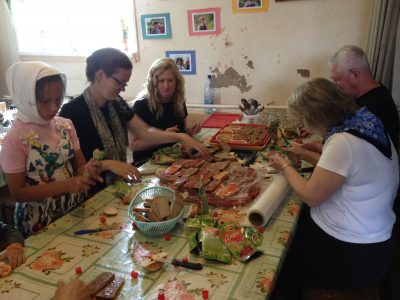
When I began in Russia in 2001, I was told repeatedly, “You can’t work with the Orthodox.” It has taken time to build bonds of trust, but that is what partnership is – taking the time to build those bonds. Sitting at the table, we have helped one another understand each other’s traditions, Orthodox and Presbyterian. We have found ways to work together on projects as well, and as with the Protestant partnerships, we have been blessed and enriched by the experience.
Russia long since ceased to be cool. Russian pastors have shared their confusion with me when other partners, with whom they had been deeply engaged and had begun to count as family, let them know that they were done with this partnership and moving on to something else. The Russians wondered what they had done wrong, but the reality was that the other church thought in terms of three-to-five year partnerships. They felt they had fulfilled their plan. For the Russians, cut off for so long and hungry for connection, it was a painful blow. We Presbyterians have a reputation for being slow to respond, but faithful when we do – a reputation for being steadfast, hanging in there even when others fear to come.
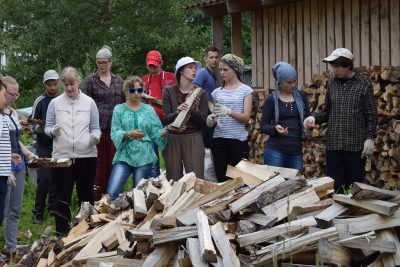
There are still Russian churches that hope for a partnership. Russia has changed, but it’s still a challenge to be Christian in the society, especially for Protestants. Small churches in small places often deal with big prejudices. The Orthodox are aware of how few in the West have any understanding of their traditions, and they welcome the chance to share.
After all these years, the Twinning program continues. It is because we have discovered that we need one another. Our lives are richer for the other’s witness.
Ellen Smith is the PC(USA) regional liaison for Eastern Europe, facilitating support for partner programs, relationships and activities in Germany, Russia and Belarus. In addition, she and her husband, Al, facilitate a congregational twinning program, pairing U.S. Presbyterian congregations with congregations in Russia.