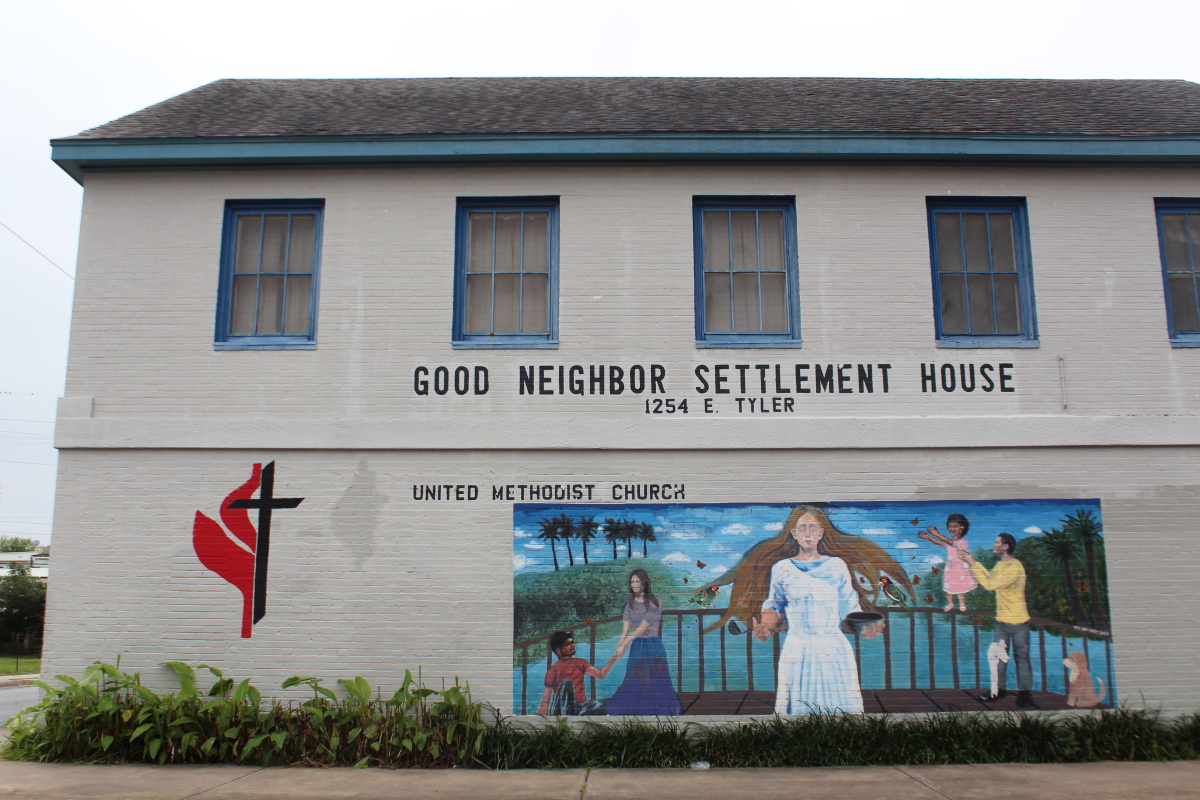
BROWNSVILLE, TEXAS – The asylum-seekers show up at the Brownsville bus station one after another, just released from detention, moving forward into the unknown. Here are two of their stories, told through a Spanish translator, Belinda Bradford, as they waited at the Good Neighbor Settlement House for their buses to depart that night.
The Honduran. He left because of political unrest. “A lot of people don’t have choices for education or for work,” said the tall 24-year old with wavy sideburns. “You’re always told or threatened what to do. It’s put a lot of people at risk.” Bradford said other clients have said similar things. The authorities allow many to attend only primary school, “then they take you out of school and tell you where to work.”
This man said he traveled through Mexico in the back of a trailer, with “no water, no food, for three days straight. In the heat. They were packed in like sardines.”
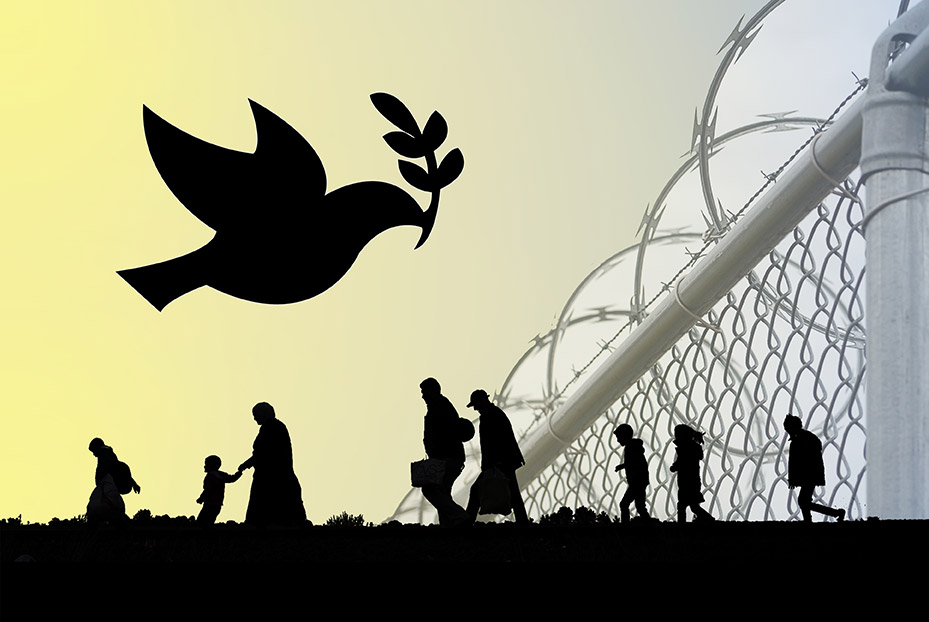
At the border, he crossed under the bridge with a group of five men, immediately encountering immigration authorities and saying he wanted to apply for asylum. “He was kept in a very cold facility for five days,” released, and now was on his way to stay with friends in California until his next court hearing. Asked what he knew about U.S. policy on immigration, the man said he knew nothing.
His brother and mother are still in Honduras. “It’s getting harder and harder to make a living, much less live safely,” he said. “His first thought is giving God thanks that he made it this far and that he is here,” the translator said. “He has always had faith in the Lord.”
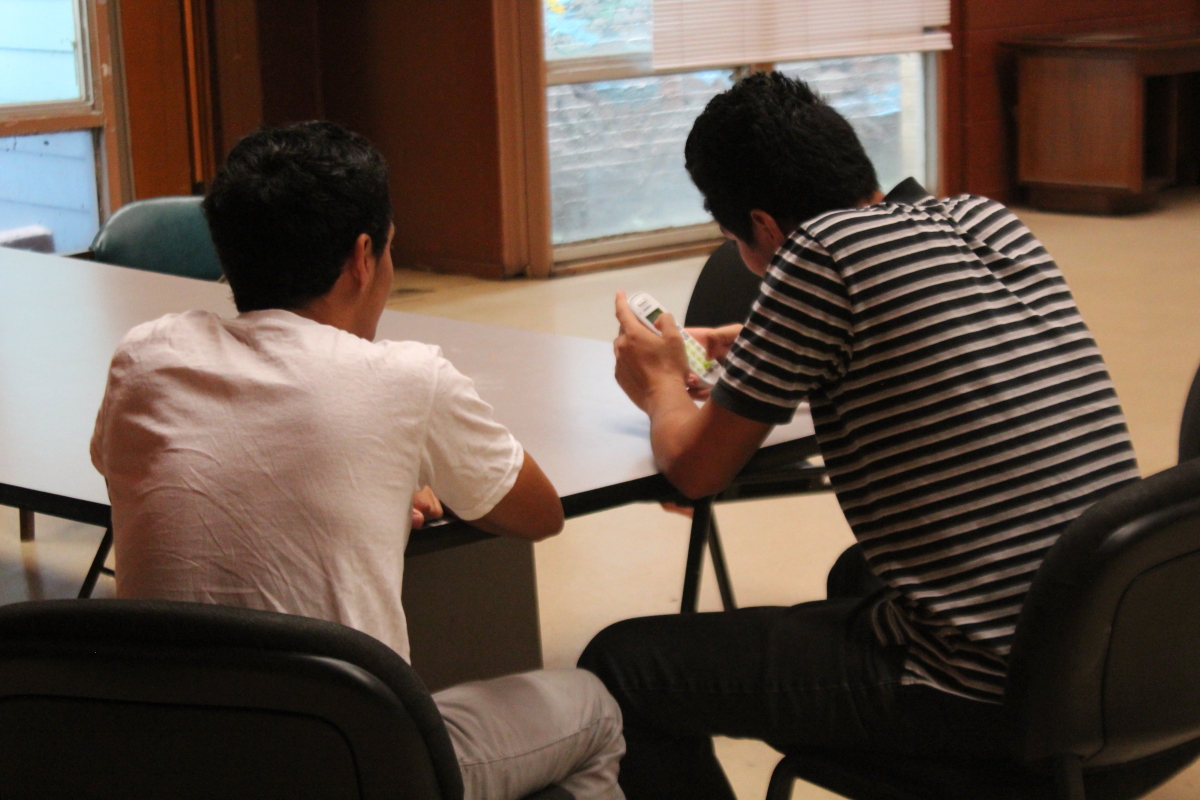
The Salvadoran. Sweet-faced, soft-spoken, this young man from El Salvador was trying to join his two younger sisters in the United States. They had come in 2012, but he was too frightened of “the gangs in Mexico, the kidnapping and mass graves” of those traveling north, the fear of being deported back. “He begged them not to go.”
His sisters made it safely, and were released after being detained. Now they live in New York and are in the process of becoming U.S. citizens. They begged him to come too; the violence at home was accelerating, and “he just couldn’t take it anymore,” the man said. At home, both the gangs and the police extorted the citizens for protection, and not having the money to pay was not an excuse. Despite his fears, the young man headed north, crossed the Rio Grande on a raft, and turned himself in to the Border Patrol. He spent six days detained in a cold facility the immigrants call “the icebox.”
It was difficult. But “they would rather endure the travel, endure the detention, than what’s waiting for them at home,” Bradford said. “More violence. No future.”