The Presbyterian Mission Agency Board continues to struggle with a question that it’s been poking at for years: how much it’s willing to spend to continue the operations of Stony Point Center outside New York City.
The board, meeting by conference call April 24 (part of that in closed session) voted to authorize spending up to $630,750, for “critical expenditures” for capital improvements at Stony Point, a conference center about an hour outside New York City that also is home to an interfaith community. The board also gave permission for the board’s Coordinating Committee to approve additional spending for a roofing project involving two buildings at Stony Point should bids for doing that work exceed initial estimates, and once money from a fund held at the Presbyterian Foundation for support of one of those buildings has been used.
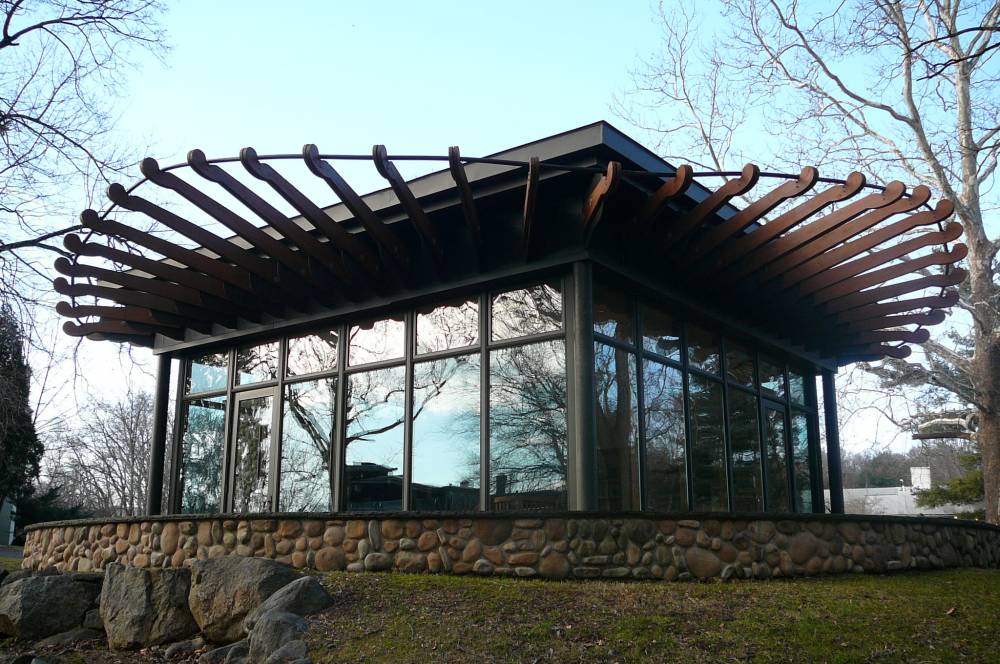
Discussion during the open portion of the meeting, however, showed that some board members still are uncomfortable with how much the Presbyterian Mission Agency is spending to support the work of Stony Point, which ran a deficit of about $373,000 in 2018 and needs considerable capital improvements if it wants to be more attractive to groups wanting to hold conferences or meetings there.
At its meeting in March, the board voted to hire Run River Enterprises as a consultant (at a cost of $38,000 plus $3,200 in travel costs), to consider the financial sustainability of Stony Point and the vision for ministry that could be done there.
Diane Moffett, president and executive director of the Presbyterian Mission Agency, is proposing that Stony Point be developed as a mission arm of the agency – an idea that the board is expected to consider in-depth, along with the recommendation from Run River Enterprises, at its September meeting (a meeting that will be held, as it happens, at Stony Point).
Ray Jones, acting director for Theology, Formation and Evangelism for the Presbyterian Mission Agency, leads a staff Round Table that’s been working to develop a plan for what to do next at Stony Point. Jones told the board during the April 24 meeting that the consultants had spent five days at Stony Point the previous week, and “we have really good estimates for everything we believe needs to be done” in immediate capital work, ranging from improvements to the heating and cooling system to an emergency repair of a septic system line that broke when the consultants were there, forcing the closing of some of the bathrooms.
“Stony Point Center is a site where there will continue to be emergency and urgent facility needs, largely the result of aging facilities which have not been cared for well over the years,” a preliminary report from Run River Enterprises states. “It will be important to continue to make progress on deferred maintenance issues as quickly as possible, within the context of a strategic, long term future for the site. It is important not to allow facilities to deteriorate further.”
Some board members, however, voiced reluctance to continue spending money for capital improvements without having a clear vision for the future of Stony Point.
After already having spent $80,000 for heating and air conditioning improvements on the Evergreen building and another $80,000 being included in this allocation for more work, “we’re getting to the point where we could get heating and air for an entire church,” said Melinda Sanders, a board member from Tennessee. “I’m bothered that we are doing this piecemeal.”
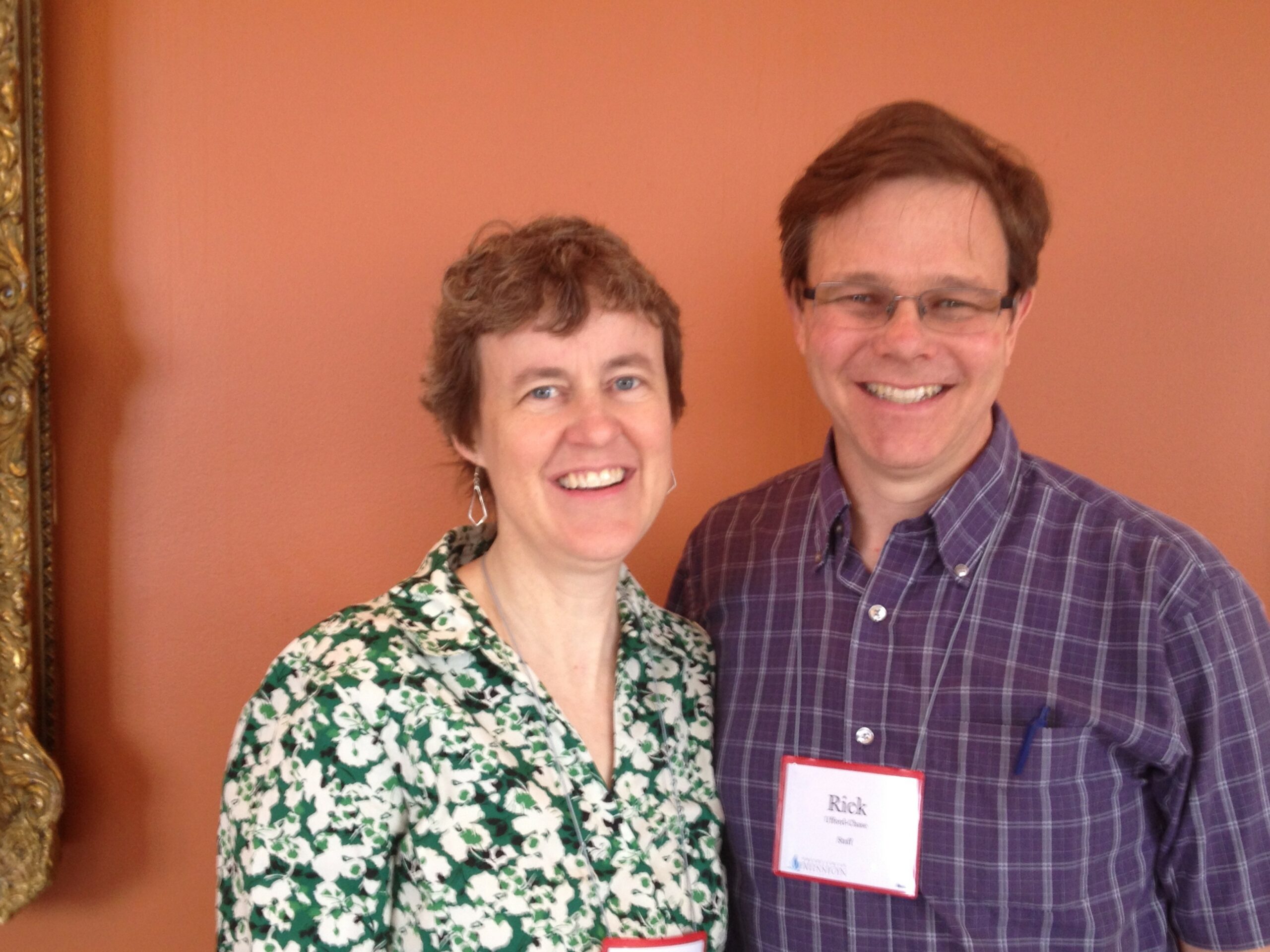
Rick Ufford-Chase, co-director of Stony Point along with his wife, Kitty, explained that for some time “we’ve known we were going to lose the main furnace” in the Evergreen building, as the furnace dated to 1962. The staff tried to “baby it through” another winter, but that didn’t work – so an upgrade was necessary. “We just got backed into it faster than we wanted,” Ufford-Chase said.
Jones said he understands the concern, but hopes that the consultant’s report that will be presented in September means “we can have a vision where we no longer piecemeal Stony Point’s work and ministry.”
Some board members also raised questions about whether the Foundation holds funds that could be used for capital improvements or maintenance for particular buildings at Stony Point – requesting information about the purpose of those funds, how much money is there and how much has been spent. In response to a question, Jones said the property has been valued for insurance purposes at around $20 million.
And Ufford-Chase said it’s his understanding that most of the money the Foundation holds in a fund for the Gilmor Sloane House at Stony Point was spent in a renovation of that building in the late 1990s, and the money that’s left is “extremely limited.”
Still, some board members expressed reservations.
“I’ve got a grave concern about us spending $600,000 on a project we don’t have a long-term sustainable plan for,” said board member Nicholas Yoda of Cincinnati. He also raised another underlying question: if the board spends the $600,000, could it recoup that investment if the property is later sold?
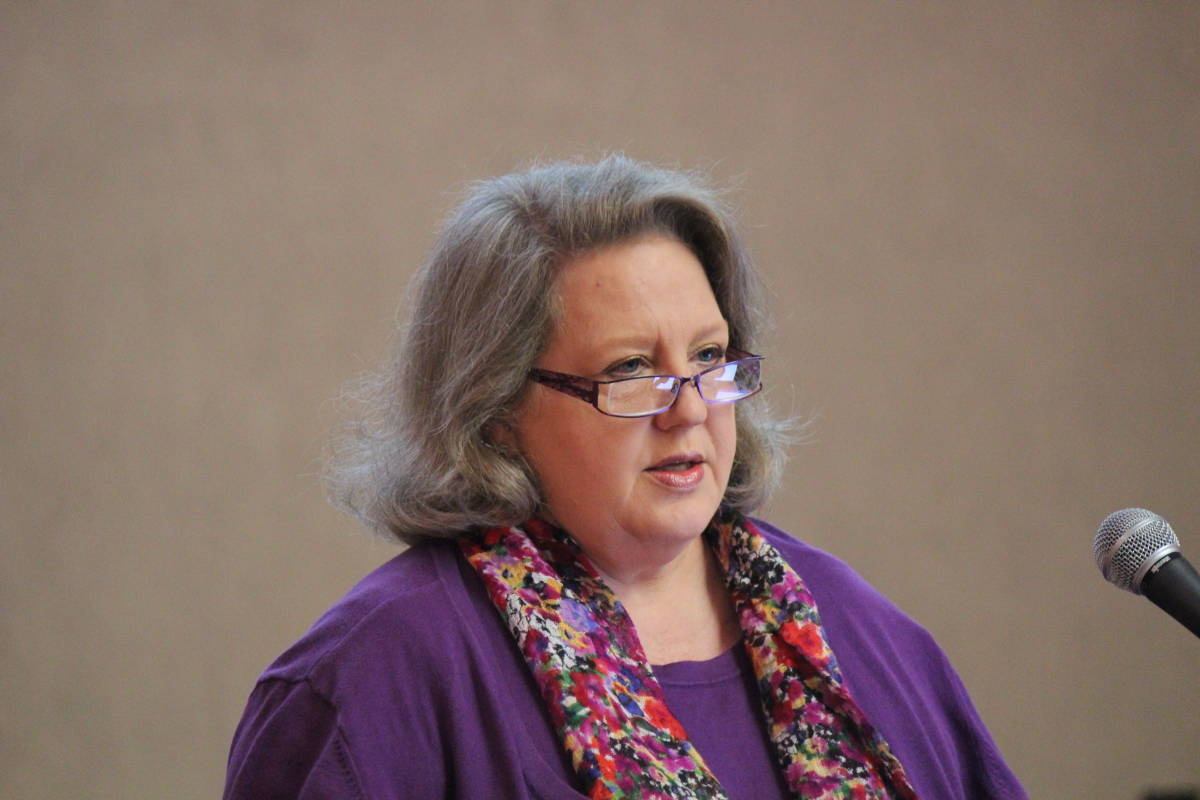
That’s one of the sticky points. Because of complexities involving restrictions imposed by donors of the property, most of the proceeds if the property were sold would revert to the Foundation or the city of Stony Point, not the Presbyterian Mission Agency, said Sanders, who has been involved in earlier efforts by the board to consider the future of Stony Point.
So “if the property is sold, we’re out $600,000 at the end of the day?” Yoda asked.
“That is correct,” Sanders answered.
Following a closed-door discussion, the board voted to authorize the capital expenditures. And in September, the question of a vision for Stony Point’s future will surface again.