
A basic theological question is this: Who is God, really? This issue of the Outlook is devoted to answering this very question. We invite you to give your own answer to this important question of faith. To that end, here are some discussion questions to get the conversation going. We hope these will provide a way to go deeper into the articles and explore in your congregation who God is, really.
God is a (somewhat) knowable mystery — read the article
 1. Cynthia Rigby shares a story in her article. She was asked by a dying friend what God was up to and she responded, “I don’t know.” This was certainly an honest answer, but her friend told her equally as honestly that she ought to have something to say, given all her theological education. Every believer ought to have some response to these pressing questions of life and death. Even though we do not have the answer or a complete answer (God is, after all, a mystery) surely we have some answer or at least a partial one.
Can you remember a time when you, or someone you know, was struggling with what God was up to in a certain situation? If you were asked what Rigby was asked in that setting, how would you answer? How does your answer reflect who you believe God to be?
2. An education professor tells his class, “You teach who you are.” He presses students to understand their own culture, expectations and assumptions so as to be aware of how they bring these parts of themselves to bear in their classrooms and on their students. Preachers preach who they are and those who teach in the church teach who they are. We preach and teach and lead and parent who we think God is, too. What we believe about God colors our understanding of ourselves, others and the world.
Make a list of all the characteristics you think describe God. Which ones of these characteristics are most important to you? Which ones do you believe most strongly? Why? How did you come to know and believe these characteristics?
Compare your list to that of others doing this exercise. What do you notice? How do our lists compliment or contrast with each other?
3. Rigby notes that God is not distant, but rather “meddles constantly in our lives.” God continues to work on mending the brokenness in the world, never leaves us alone or to our own devices and sustains us daily.
Do you imagine God as an “intimate life sharer” with you? If so, how is God’s meddling evident to you in your life and in the world? Have there been times when you felt as if God was distant and not actively present and at work? What alleviated that sense of alienation?
 God is triune – read the article
1. Matthew Rich recounts the story of the little girl drawing a picture of God and shares the exercise he uses in confirmation class. If you were asked to draw a picture of God, what would you draw? What would you be sure to include and why?
2. Rich quotes Graham Standish, “It is not until we spiritually encounter God as Trinity that we are able to begin to understand God as triune.” What do you think Standish means? Do you think of God as triune? What is at stake in understanding God as Father, Son and Holy Spirit? Have you ever spiritually encountered God as Trinity?
3. Citing Richard Niebuhr, Rich notes that churches tend to be of one person of the Trinity or another. Read this section of the article again. Do you agree with this assertion? If so, which person of the Trinity is your church? Rich notes that individuals also tend to be one person of the Trinity. If this is true for you, which person of the Trinity do you resonate with the most? What is lost if we do not as churches and individuals embrace each person of the Trinity?
4. Do you find the traditional language of the Trinity a stumbling block? Why or why not? After reading Rich’s comments on alternative triune language, which words would you want to use in describing the Trinity? Read through “The Trinity: God’s Love Overflowing” How does this paper expand your understanding of the Trinity?
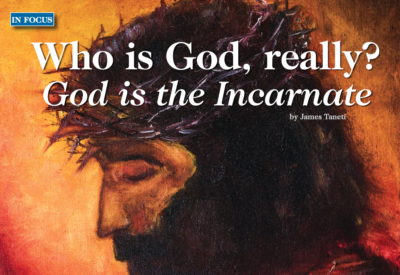 God is incarnate – read the article
1. James Taneti says that he was presented with a God in “colonial garb and Christ as a crusader.” Have you ever considered how God was presented to others throughout history? What are some of the ramifications of presenting God in this “garb”? When God was first presented to you, what kind of “garb” was God wearing and what impact did that have on your understanding of the faith? How do we decipher what God truly wears and what are the costumes people put on God? How has your understanding of God changed since you were first introduced to God?
2. Taneti talks about his gratitude for Hindu and Muslim neighbors who challenged him with the question: Who is God? How do conversations with people of other faiths, beliefs and cultures help us articulate and understand who God is, really? Can you think of an encounter with someone who believes differently than you do that impacted your understanding of God and your own faith? Have you ever sought out interfaith relationships and conversations? Have you ever lived in a setting in which Christians were a minority faith group? If so, what did you learn from that experience?
3. Taneti says, “The tales of God’s covenant with the weak captivated our imagination, stirred our hearts and inspired our souls.” What are the Bible stories that captivate your imagination, stir your heart and inspire your soul? What about these stories speak to you and why? How do these stories shape your understanding of who God is?
4. “In the incarnation, God became not only one of us but the least of us.” Why is it significant that God chose to become not just human, but the least among humans? Read Philippians 2:1-11 and discuss the downward mobility of God evident in this Christ-hymn. How in God’s vulnerability do we discover God’s sovereignty? What is the significance for you that God became incarnate?