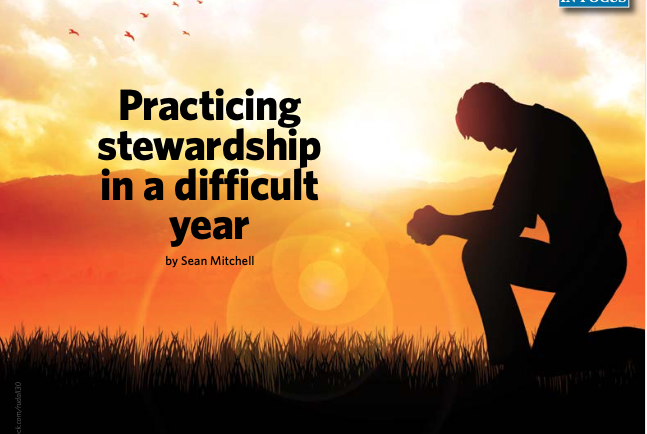

“God’s love never dies.”
These words were spoken by a church elder, to fellow elders, in a time of crisis. The context was November 2008. The stock market was taking a beating. The housing market, banks, for-profits, nonprofits and church communities were all in the path of this historic economic implosion.
As these church leaders gathered for this urgent conversation in Memphis, Tennessee, discernment was mandatory. Topics of discussion were annual budget adjustments and whether to continue with plans to launch a major capital campaign.
The budget would be adjusted. And the capital campaign was ended. But God’s love was not ended. “The abundant grace of God never fails, never dies.” This was the prophetic wisdom one church elder shared with others in this pivotal discussion. He agreed with the decision to reevaluate the path forward — though only if it was informed and compelled by the love of God for the city of Memphis.
I was in this meeting. I was there to listen and offer counsel. During the discussion, I sat directly across from the elder who conveyed this priceless, eternal message to all of us. I can recall where I was when I learned of certain historical events, such as the attacks on the World Trade Center. This, too, was one of those moments I can still recall in vivid detail. I remember everyone that was there, the day of the week and the time of day. Yes, this elder’s remarks were moving, memorable, gracious and truthful.
When 2020 rolled around, none of us had any idea what was in store for us. As if the pandemic was not enough, we continue to witness the perpetuation of injustices. Poverty remains. Political leaders are as divided as ever. Churches are divided. And, my mom passed away unexpectedly this year. One statistic I read states that over 150,000 people will die every day this year. Death remains. The year 2020 is not easy.
Here we are. What now? Because of the nature of my vocation, I am receiving this inquiry: How do we develop cultures of stewardship and generosity in a time like this?
 We embrace the unwavering, core principle for stewardship and generosity: God’s love. The unforgettable message I heard in Memphis did not originate with the elder there. It did not originate within any nation, society, church denomination or a figure in church history.
God is love. God’s love is God’s gift to us. God’s love is God’s message to us in Jesus the Christ. The church of Jesus, the hands and feet of Christ in this world, are called to be one with God in this love. Receiving God’s love, and in turn sharing this abundant love in abundant ways with one another and our neighbors, is how the church exists as the church. There is no other way to be the church of Jesus. The writers of the New Testament, and most importantly Jesus himself, are clear on this. Love is the Way, the Way of Jesus.
Everything is to be compelled by the love of Christ Jesus the Lord. Every year is to be stewarded with this love. Love is to be the center of all thinking, planning, praying and neighboring. Even in the face of flat and declining church budgets, the love of God continues to compel the hands and feet of Christ. God’s love is abundant and the opportunities to share it
are abundant.
The following are a few steps the church of Jesus can take in her stewardship of God’s love and generosity in this difficult year:
1. Trust in the love of God. In this season, I am rereading “The Ragamuffin Gospel” by Brennan Manning. I want to be reminded that God’s love is still present in the church and in the world. Manning’s book, inspired by the teachings and itinerant ministry of Jesus, reminds through beautiful, soul-nourishing prose that God’s love is greater than anything we have ever imagined and is worth trusting even in the darkest, most doubtful times. Church leaders and congregants need reminders of God’s loving and guiding presence. We are not alone. The love that never fails, never dies, is still working wonders in the world. Jesus is still the head of the church and still active through his body of followers. His love is here and we can trust it. How do we trust in the love of God? We give our lives over to it. We put it into practice. We share it with the world as Jesus did. We love our neighbors as we love ourselves.
2. Steward spaces with the love of God. Some have residences with space that can be shared. Extra rooms can be used to provide housing to others. For example, friends of mine are allowing someone to live in their basement until international travel is allowed again and their guest can return to Africa. And with classes being emptied due to COVID-19, a seminary in India is stewarding their space by providing housing to those in need of shelter.
3. Steward time with the love of God. The stewardship of time is certainly of value when churches have to cut budgets. Less funds for staff and other administrative costs affords congregants the opportunity to help ministries flourish through volunteerism. COVID-19 has certainly prohibited church gatherings and limited opportunities for service. As physical distancing restrictions are eased, these opportunities will return. When they do, be encouraged to contact congregants and invite the sharing of their time.
4. Steward financial resources with the love of God. Even during the worldwide pandemic, generosity has remained. Some church communities and other nonprofits have shared stories of certain givers increasing their giving. One pastor shared that one parishioner gave an extraordinary gift, one considerably larger in size than all previous gifts combined!
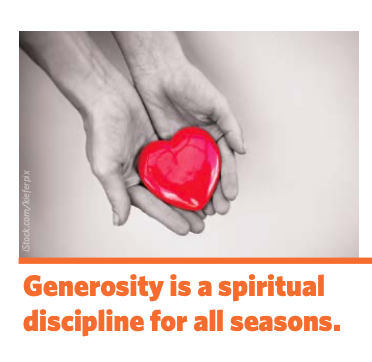
Continue to teach and encourage the sharing of financial resources. Generosity is a spiritual discipline for all seasons.
This concludes a brief review of opportunities for stewarding the abundant love of God in the here and now. There are many others including the stewardship of testimony, politics and talents. As we continue our pilgrimage through this unexpected and unforgettable year, may we remember the words I heard in Memphis — words that originated in the heart of God: Love never fails. Never dies.
 Sean Mitchell is the co-author of “Gracious Stewardship: Developing the Church in the Way of Jesus” and lives in Charlotte, North Carolina. He helps church leaders cultivate stewardship and giving through his craft, Generosity Development. For more info, visit generositydevelopment.com.