Are there ways that the discomforts of the pandemic – the ways that congregations and mid-councils are being forced to learn new things – might lead to some better ways of being the church in the future?
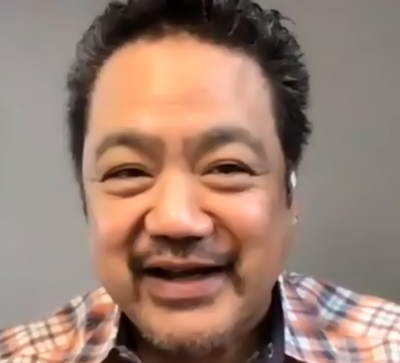
Maybe through this, Presbyterians will “discover the things we worshipped and shouldn’t have been,” said Bruce Reyes-Chow, pastor of First Presbyterian Church of Palo Alto, California, and one of the leaders of a Nov. 20 discussion during the online Moderators Conference forum Nov. 19-21 for training and sharing of ideas for presbytery and synod moderators in the Presbyterian Church (U.S.A.).
Here are some of the ideas the participants tossed around:
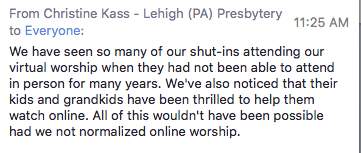
- Reimagine; don’t replicate. For congregations worshipping remotely, don’t worry about recreating everything that happened in person. Instead, “reimagine what we can do in a virtual space,” Reyes-Chow said. Recognize that online worship means some people can show up who otherwise would not be able to attend. From the Zoom chat:
- Think theologically. Don’t focus just on technical details — the best microphone or camera; copyright permissions; the changing COVID-19 infection rates in the community. In designing worship, make theologically-grounded choices about the message; about who’s included; about empowering many to participate; and about trying a variety of approaches, such as a brief time of evening prayer or a service of healing and wholeness, said David Gambrell, associate for worship in Theology, Formation and Evangelism at the Presbyterian Mission Agency.
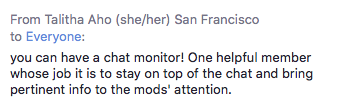
- Expand the table. Invite new people into leadership. Consider cultural differences. Ask someone else to monitor the chat and present questions for discussion during Zoom calls. Invite speakers or guest preachers who couldn’t participate if they had to attend in person. Provide interpretation services. Learn from those with disabilities what would make the space more inclusive for them — such as having the option of Zoom closed-captioning. Ask tech-savvy congregants to become “tech deacons” who provide support to those having trouble making connections.
- Build community. Be creative.
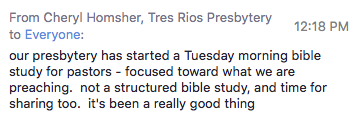
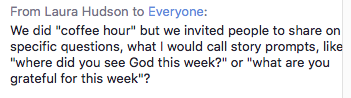
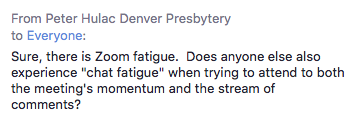
- Honor people’s time. “Please do not do check-ins that last forever,” Reyes-Chow said. Keep meetings short. Remind people to keep snark out of the chat — and enforce that. Remember Zoom fatigue — especially when there is “barely a bathroom break between meetings,” one participant said. Consider whether there’s another way besides a meeting get something done.

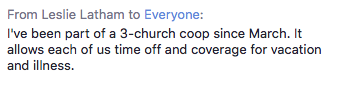
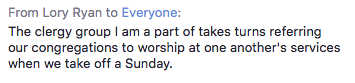
- Know your limitations. Some nine months into the pandemic, many church leaders are exhausted, Gambrell said. Learn to give up some control and share resources.
-
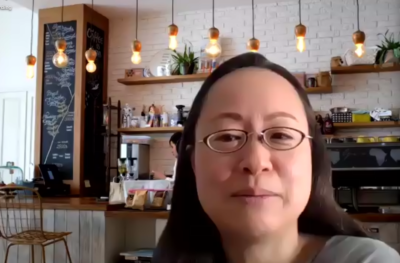
Jihyun Oh Look for opportunity. “Some of our greatest challenges can create our greatest opportunities,” said Jihyun Oh, director of Mid Council Ministries with the Office of the General Assembly
Maybe this time is “an incubation of what might be possible later,” said Molly Casteel, assistant stated clerk and manager for equity and representation with the Office of the General Assembly. “The more we lean into the possibilities of this time, the less we will cling to what normal used to be. … This is a highly generative time,” and “the whole world’s going through it.”