“A garden’s a prideful thing!”
When he spoke those words, this parishioner and I were gazing upon his rows of vegetables. Leafy greens in the dark soil. Tomato plants staked to poles. Orange, yellow and purple zinnias dotted the far end of the plot like bright exclamation points.
Then he added, more to himself, “Of course, pride goes before the fall.”
In the months to come, I’d walk up the back steps at the end of the day and a wicker basket full of fresh produce would be waiting for me. I’d return the empty basket and he’d fill it up again.
I learned that fresh okra didn’t need to be breaded or fried. A light sauté was plenty delicious. After I made this observation, this parishioner replied, “Heck, you can eat it raw.” To prove his point, he snapped off two pods, placing one in my palm.
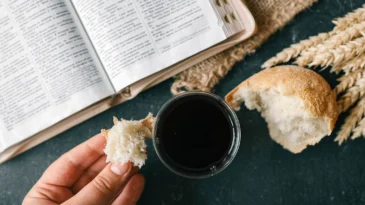
Grace from his garden, broken for me.
That was seven years ago. This fall, I am in my third year serving a new church. This congregation has grown where it was planted, in part, thanks to our efforts to cultivate a welcoming, life-giving worship that weaves music and poetry with a commitment to social justice.
At the beginning of 2020, I stood in the pulpit on Sunday morning and looked over the sanctuary bursting with life and color. It was a prideful thing.
Then came the novel coronavirus. Followed by the closing of the buildings, the switch to online worship. And the anxiety that not everyone would come back, the concern over finances. We have tried our best to serve the people with energy, intelligence, imagination and love. Still, there is an uncertainty that shadows what had once seemed like a bright future.
It has been a fall.
This has caused me to return to the roots of the church. In terms of recent growth, we have reaped much of what we did not labor to produce (John 4:38). The founding pastor, previous staff and charter members had ploughed the soil. The ashes of some of those saints are now interred in the Remembrance Garden. In light of the fall, I remember resurrection.
The farmer-poet Wendell Berry says we should “practice resurrection” and, like my former parishioner, he is an avid gardener. When the schools and preschools closed, my wife and children dug up the majority of the mint in our backyard garden bed inherited from the previous homeowners. A parishioner had given us three tomato plants. Though one was ripped from the ground by our overly-enthusiastic, youngest weeder, we had harvested a dozen tomatoes by season’s end. Our kids ate them straight off the vine, the juice dribbling down their chins.
Another church member gifted us a package of sunflowers seeds in celebration of her 70th birthday. One seed produced a yellow flower that grew a good foot above our oldest child’s head. As the temperatures dropped, this once proud sunflower drooped, then rotted right on the stem.
Seasons change, time passes. There is much beyond our control. And yet, we press on. We dig up and plant anew.
Recently, our kids have helped to plant collards. I hope the new year brings the opportunity harvest a portion of our supper with our own hands. And our congregation looks to cultivate our anti-racism initiative into becoming a Matthew 25 church and joining others in the PC(USA) “to act boldly and compassionately to serve people who are hungry, oppressed, imprisoned or poor.”
Jesus taught that the kingdom of God is like someone who scatters seed; over time the earth produces the growth (Mark 4:26–29). This reminds me that “humility” is derived from the same root as “humus.” While we participate in the act of creation, churches, like gardens, are graced beyond any human effort. Therein lies our hope.
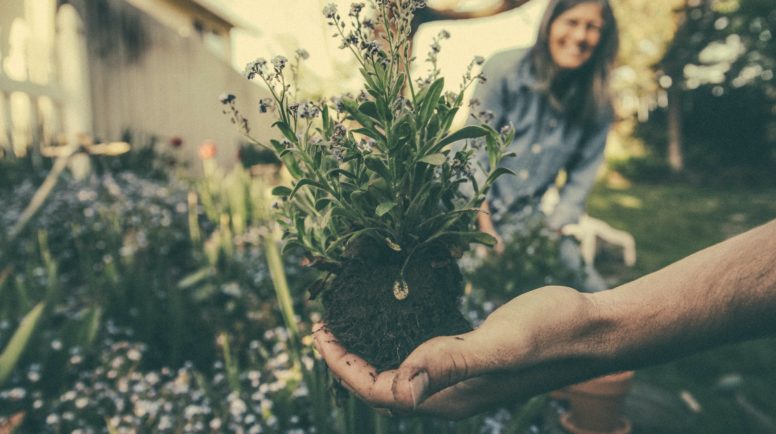
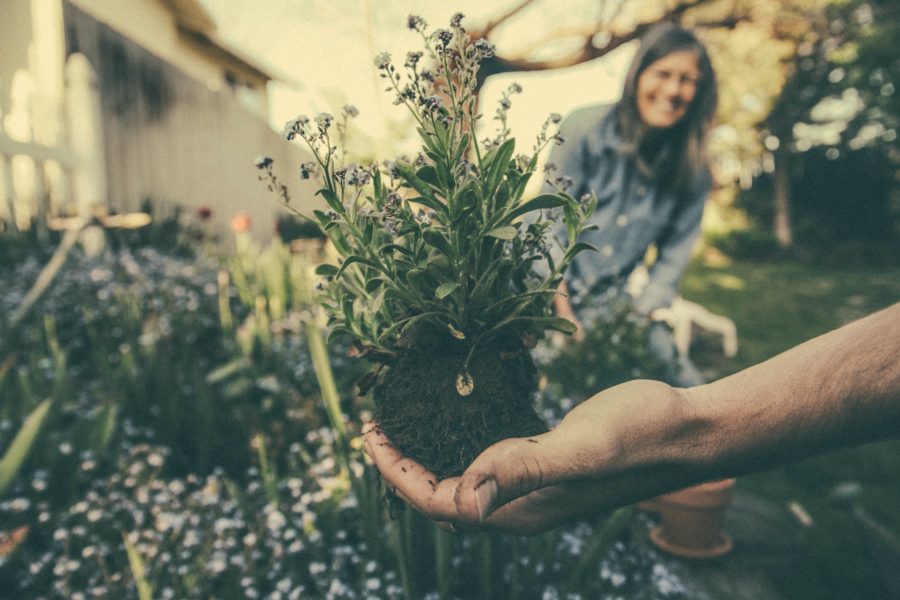
With dirt underneath our fingernails, we receive grace in our hands.