Welcome
Invite various persons to bring a designated item and use this liturgy as a way to begin your time of learning together.
One: The season of Advent is past and the celebration of Christmas is given way to a New Year, but the story of God’s faithful love continues in
All: Jesus the Christ
One: The Magi followed the star to discover the light that overcomes darkness
(Place a candle on a table but don’t light it yet)
All: Jesus the Christ
One: The light of the world is God’s own Son
(Light the candle)
All: Jesus the Christ
One: Baptized by water and the Spirit he was anointed by God as
(Place the bowl of water on the table)
All: Jesus the Christ
One: We give thanks and remember, we too are baptized and made siblings with
(Each person touches the water)
All: Jesus the Christ
One: We are here, Holy Spirit, ready for your leading.
God sightings and prayer offerings
Invite each person to share where they saw or experienced God this week. Invite each person to share something — a person, community, experience, event, etc. – for which they want to offer prayer.
Good and gracious God, we thank you for all the ways you were and are present in our lives and in the world. [Invite each person to say aloud the sighting they named earlier.] We bring our prayers to you, prayers for… [invite each person to say aloud the prayer need they named earlier]. In Christ’s
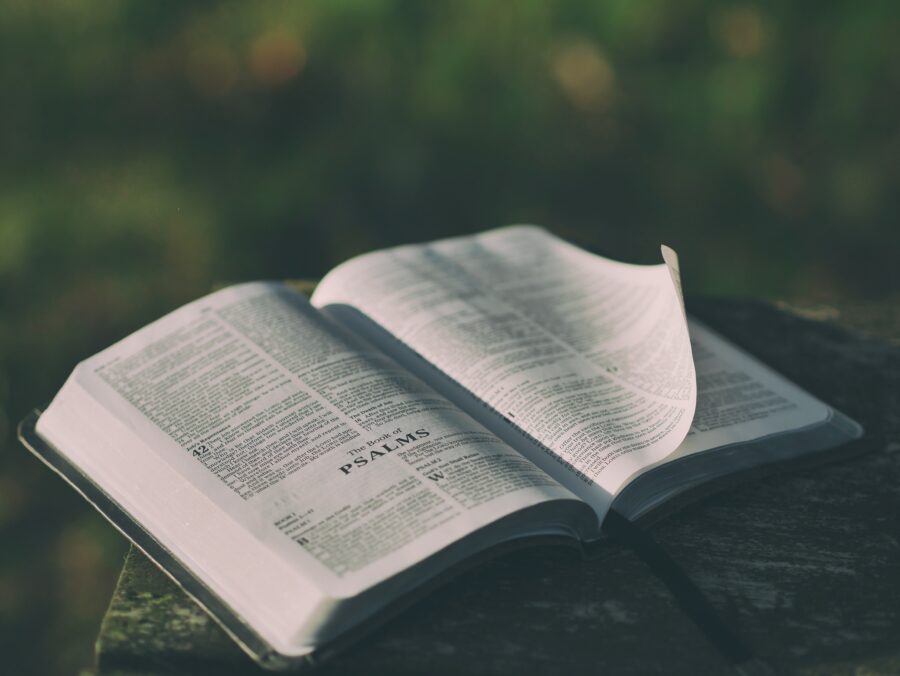
Connecting with Scripture: Psalm 111:1-10
Read the Scripture aloud the first time using the New Revised Standard Version or the Common English Bible.
Read through Psalm 111 a second time and count all the things that are great about God.
Connecting through story
Listen and watch as the story of “Old Turtle” is told.
- In the beginning of the story, how did the animals and creation describe God?
- Which description of God describes how you think of God, and why?
- What wisdom did Old Turtle bring about who and how God is?
Connecting with our lives
Engage in dialogue:
- What are the attributes, or characteristics, of God as described by the psalmist?
- How does the psalmist know what God is like?
- Why does the psalmist want us to praise God?
- What adjectives would you use to describe God?
- How do you know God is like all the things you just described?
- Where do you see and/or experience these characteristics of God?
- The psalmist speaks of “the works of God’s hands.” What works do think God does?
- Where do you see these works happening in the world today?
- If you met someone who didn’t know anything about God, how would you describe and convince them of who God is?
Teaching points that can be incorporated into your discussion:
- While we cannot see God with our human eyes, we can experience God in a multitude of ways.
- We often see God most clearly through God’s creation and God’s ongoing work in the world.
- Language is a human construct that is limited to the human mind’s ability to comprehend.
- God is so much more than any human word or thought can comprehend.
- We must use the best we have to describe God so that we might understand, to the best of our ability, who God is and how God is.
- Sometimes, we try to describe God in ways that are most comfortable to us and we, unconsciously, try to describe God in our own image — to make God like us or to make God for the things we are for and against the things we are against.
- We must always remember and recognize that God is not limited by our ability to describe and God is greater than who we are. God is for all whom God creates and all whom God claims. God is for that which is life-giving and is born of love and justice. God is against anything that goes against the very essence of who God is: love and justice.
- Scripture is filled with rich images and examples of who God is and words we can use to describe God. Too often we limit ourselves to using just a few, but Scripture invites us to be expansive in our thinking and our language about God. Here are a few of the ways in which God is described in Scripture:
- Almighty
- Creator
- Most High
- Provider
- Comforter
- Nurturer
- Mother
- Father
- Midwife
- Righteous
- Justice
- Love
- Grace
- Majestic
- Power
- Compassionate
- King
- Lord of … Hosts, Peace, Lords
- Eternal
- Covenant maker
- I Am
- Wisdom
- Jesus
- Holy Spirit
- Christ
- Bread of Life
- Counselor
- Eternal
Gather paper, pen, markers, crayons, paints, clay – any art supplies you may have on hand – and draw/paint/sculpt who you think God to be or what God is like without using any words in the artistic process. Once you are finished, use words to share with one another how you see God.
Prayer
Close your time together by praying for one another, your neighbor, community and the world.
 REBECCA DAVIS is the associate professor of Christian education at Union Presbyterian Seminary in Charlotte, North Carolina. A teaching elder and certified educator, she served congregations for over 20 years before moving into academic teaching. In addition to teaching and mentoring students, her passion is child advocacy and ministry.