“Will you take care of this child?”
The question caught DeEdra Clinkscale off guard. As a teacher, she had phoned the abuse hotline to report her concerns about a boy she believed was neglected at home. The social worker told her about the shortage of foster families to care for children, sibling groups and older children. Stunned by the need, she began to consider taking care of the boy herself. She resolved to earn a foster care license.
DeEdra had been praying for direction and felt God was calling her to foster. But her husband, Steven, was opposed to the idea. When she showed him an application, he balked. “I love being a father to our kids, but I’m not taking care of other people’s kids,” he said. They argued. Steven tossed the paperwork into the trash.
God does not speak to everyone at the same time, DeEdra reasoned. She raised the question twice over the next year and Steven kept dismissing it. Finally, she asked him to attend an agency’s one-hour informational meeting and “just listen.” That night, Steven felt God throw open a door and say, “This is it!” Then he couldn’t wait to get started.
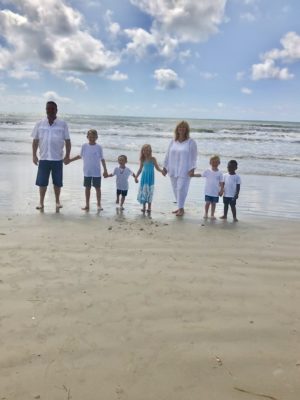
Their first placement involved three young siblings who stayed for a year. They’ve cared for many more since then. Some children needed care for a single night; others needed longer arrangements. “While you can foster to grow your family,” DeEdra explains, “sometimes it’s just to give a kid a safe place to live. Each child is a chapter in our book and we are a chapter in their books. Even though the book closes, we are always a part of each other.”
One of their chapters includes a baby boy who survived a stroke during surgery. The Clinkscales were not only his caregivers, but also his medical advocates. “Now he is a walking, talking miracle,” DeEdra adds, and proudly shares a photo from his adoptive family.
For 13 years the couple welcomed children into their home in Cleburne, Texas, about 30 miles south of Fort Worth. DeEdra retired from teaching to become a full-time mom for children in foster care. On one very difficult day, the Clinkscales said goodbye to four children who were reunited with biological families. Because of the shortage of foster families, four new children arrived at their home the same evening. How did the couple get through that challenging time? “God got us through it,” they answer. “People may think that we’re angels, but we are just ordinary people. God relieves our stress. He takes our worries.”
Steven is familiar with stress on a professional level: He has been a paramedic for 40 years. But if you ask him about helping children toward healing, he says, “Fostering is the most heart-wrenching, soul-draining and rewarding thing I’ve ever done as an individual.”
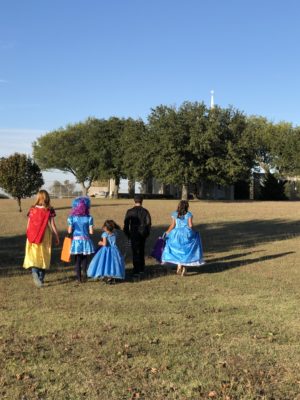
The demands of fostering take a toll on relationships and support systems for foster families. One friend offered to pray for the family, then stopped inviting them out. Neighbors saw kids coming and going from the house and began treating them differently. These losses were painful and Steven and DeEdra naturally gravitated toward other foster families, even though none of these friends lived nearby. “We would say to each other, ‘Wouldn’t it be great to live near other foster families who could do things together?’ ”
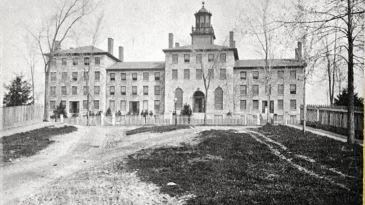
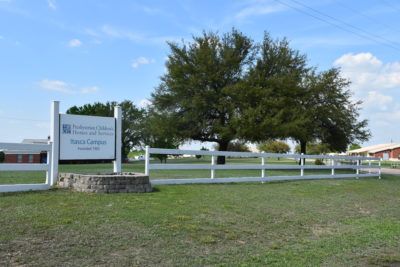
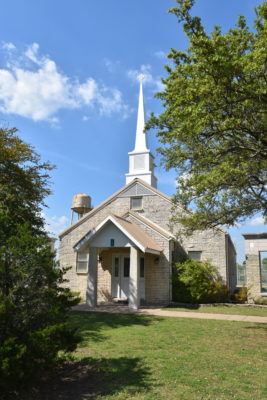
About a year ago, the Clinkscales heard about The Foster Care Village in Itasca, Texas. It sounded like an answer to their prayers. In early 2020, Presbyterian Children’s Homes and Services (PCHAS) transitioned their rural campus into a neighborhood for fostering families. The agency maintains six, spacious stand-alone homes in addition to an activity center, swimming pool, gymnasium, prayer garden and chapel. Half a dozen foster families each have their own home and provide the same love and guidance as they would elsewhere. When the Clinkscales drove through The Village last summer, they knew immediately that it was the right fit.
Their only reservation was the future of the kids they were already fostering, including a 12-year-old girl who had been with them for two years. She was part of the family, they said. PCHAS reassured the couple that, just as in any family move, their foster children would stay with them. They quickly leased their home, moved onto the campus and enrolled their foster children in Itasca schools.
From their front porch at The Village, Steven and DeEdra see kids playing and waving hello to the other families. One day they saw two boys sitting and talking. They were sharing their stories and became friends over their similar experiences. The Village gives kids a sense of normalcy, DeEdra admits, and a sense of community for the families. Every foster family receives training in Trust-Based Relational Intervention® — an attachment-rich, trauma-informed model that helps them guide children toward healing. They feel well-trained and well-supported to become family for children who need one.
The communal support also includes academic services because children in foster care experience numerous disruptions in their schooling. About half the teens in foster care experience so many disruptions that they drop out before graduating, which has a long-term impact on their financial stability. A fourth grader in Steven and DeEdra’s home, for example, was almost three years behind in his reading level. Over the past year his reading has improved by two grade levels.
 Gayle Jordan directs the PCHAS Education Services Program and works closely with the local school district to coordinate personalized learning plans. In addition to evaluations conducted by the school system, PCHAS also assesses each child. “Then our education team supports their academic needs. We offer weekly tutoring to improve reading, writing and math skills,” Jordan explains.
Jordan grew up on PCHAS’ Itasca campus. Steven and DeEdra feel that her choice to work for the same organization says a lot about The Village as a home. They appreciate, too, that The Village offers enrichment activities. Last summer, with COVID-19 precautions, the children designed, measured, cut and sewed their own lap quilts. “Each child used math and reading skills and transferred them creatively to real life,” Jordan points out. Past activities have included a triathlon and growing a community garden.
Village families share PCHAS’ commitment to keep siblings connected. The Village homes may house up to six children at a time, which may include the foster parents’ two biological or adopted children. The Clinkscales are fostering two sisters, three siblings and a boy who has siblings across the street. “The children can play together every day,” they say. “They see each other at school and they always know where their brothers and sisters are.”
Even the most committed foster families, like the Clinkscales, can feel lonely when they have to do it all on their own. “The sense of community here is a blessing,” Steven says. “No parent gets it right 100 percent of the time. We help each other out. Here in Itasca, we can minister to each other.”
 Noreen O’Brien is an editor and educator who works in the St. Louis office of Presbyterian Children’s Homes and Services. Learn more about foster care and adoption at pchas.org or by calling 800-888-1904.