What a hospital chaplain sees in moments of death and grief
It was a typical on-call night shift, filled with routine emergency calls and the inevitable visitation to a death. I stood in a room with a family keeping vigil as their loved one took their final breaths. When the physician made the pronouncement, the tears came. Cries of sorrow filled the space, and my work as a hospital chaplain began.
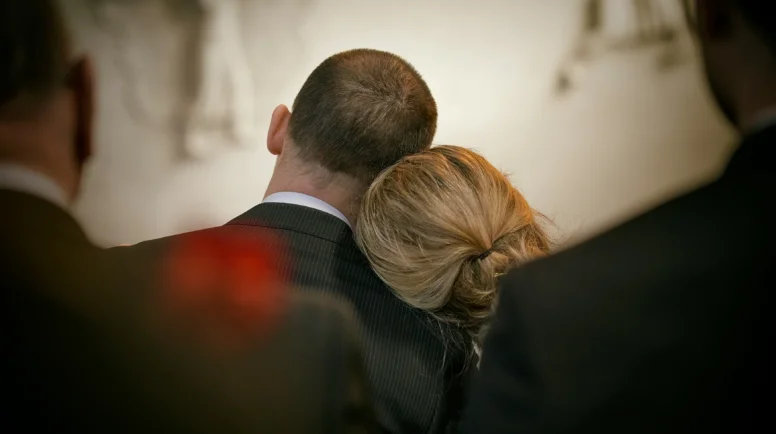
Over time, the family moved from raw grief to quieter moments. They shared memories, held hands and embraced one another. Then, as often happens, the need to make meaning surfaced.
“Everything happens for a reason.”
“God needed another flower.”
“This was God’s plan.”
These words were offered with love and sincerity, but they also revealed discomfort — with grief, with faith and with questions that have no easy answers.
“Everything happens for a reason.”
As a chaplain, I came to see my role as both comforter and witness. I was there to hold space for grief and for the slow, unfolding work of meaning-making. That often meant gently questioning these familiar platitudes and resisting the urge to move people too quickly out of their grief.
Why platitudes about grief often fall short
I have spent many hours reflecting on how caregivers respond to grief. We often rush to explain or to make meaning on behalf of others. When discomfort rises, we reach for familiar phrases that feel helpful but rarely meet the depth of the moment. I have done this myself. So I began to ask different questions.
What if we responded by staying present instead of explaining?
What if we allowed discomfort to remain?
What if we trusted our faith enough to leave room for mystery?
What if we trusted our faith enough to leave room for mystery?
This kind of presence creates space for grief without closing it too quickly. It allows individuals, families and communities to move through pain at their own pace. Over time, a richer and fuller meaning can emerge. This is not a replacement for professional counseling or support groups, but an invitation to become better companions to those who grieve.
What Dorothee Söelle teaches about suffering and speech
The work of theologian Dorothee Söelle has shaped my understanding of this approach. She describes a movement from mute suffering to speech and, ultimately, to resistance. While her work focuses on extreme suffering, her insights apply to everyday grief as well.
Dorothee Söelle describes a movement from mute suffering to speech and, ultimately, to resistance.
In the first stage, mute suffering, there is no sense of meaning. A person turns inward, consumed by pain. Then comes speech, often beginning with crying out. This naming of suffering pushes back against silence and resists a culture that avoids pain.
Söelle notes that suffering can intensify as it is spoken aloud. What was hidden is now exposed. Yet something important happens in that process. Giving voice to pain connects people and opens the possibility of shared experience and eventual healing.
How to be present with someone who is grieving
How we speak about suffering matters. So does how we listen. Grief can cause people to turn inward, shrinking their sense of connection. Well-meaning caregivers can unintentionally deepen that isolation by offering shallow reassurances.
Söelle points to the importance of the witness — someone who comes alongside those in pain, listens to their lament and helps them give voice to their suffering. This kind of accompaniment moves beyond polite words. It takes grief seriously and centers the grieving person’s experience.
How we speak about suffering matters. So does how we listen.
It also requires letting go of control. We do not get to decide how or when meaning is made. Instead, we trust the movement of the Spirit, even in the valley of the shadow of death.
What it means to accompany grief with faith and presence
As I have practiced this kind of presence, I have grown more comfortable with silence. I no longer feel the need to answer “why.” Instead, I listen to the cries of lament and sorrow. Sometimes care looks like a simple touch — holding a hand, resting a hand on a shoulder or pulling up a chair.
Accompanying someone in grief also means noticing the wider web of care and inviting others into it. Grief is not meant to be carried alone. In prayer, we can name the tension we feel — our desire for the pain to be removed alongside our awareness that rushing past it can hollow out the moment.
This work often moves us as well. We may feel the weight of sorrow in the room or find ourselves shedding tears. In these moments, we are reminded of our limits and our shared humanity. There is an urge to pull back, but we are called to remain present without becoming overwhelmed.
Holding hope and mystery in the face of loss
Being a companion in grief means standing in the tension between life and death. It means naming pain while holding fast to hope. We trust in the promises of our faith: that in baptism we share in Christ’s life, death and resurrection, that Christ enters the darkest places and that the light is not overcome. We trust that the Spirit intercedes with sighs too deep for words.
Being a companion in grief means standing in the tension between life and death. It means naming pain while holding fast to hope.
The invitation to accompany a grief journey is less about technique and more about reorientation. When we move away from quick answers and toward presence, we create space for grief to be expressed honestly. We resist the cultural impulse to turn inward or move on too quickly.
In time, meaning may come. It often emerges slowly, woven into the lives of those who grieve and into the communities that surround them.
A blessing for those walking alongside grief
And so, a blessing for you, dear reader.
When you encounter grief, journey well with those who mourn. Bear witness to their pain and resist the urge to explain it away. Offer words that invite sharing, and then listen.
Hold fast to hope, even when it feels fragile or foolish. And trust that, in time and in mystery, God is at work and meaning will come.