In memory of AB
In The Locust Years, the poet Paul J. Pastor writes that spring “sharpens grief by means of fresh, unconquerable joys.” As the redbuds bloom and the deciduous trees blush with light green leaves, I do keenly feel a depth of loss mixed with joy. For my friend has died. And the pain and beauty of her memory remind me that reconciliation is possible.
She was the corresponding secretary on the pastor nominating committee that ultimately hired me. Her first emails to me were formal, acknowledging receipt of my application.
I received the first truly personal email from her in fall 2017, after I accepted the call as pastor. She wrote to inform me about her cancer diagnosis four years before. She wanted me to know that she was in remission but due for her yearly scan. I promised to pray for her, and she wrote back, “I need your prayers.”
She emailed again shortly after to share that the cancer had returned. The day our family moved to Chapel Hill was the same day she started chemotherapy — January 2, 2018. She would remain in some form of treatment for the rest of her life, which ended last month.
I think back to that first request for prayer and wonder if she sensed what was to come.
The Locust Years takes its title from Joel 2:25, “I will restore to you the years that the locust hath eaten.” How could something that a plague of insects has eaten be restored to people? Perhaps the ancient text pointed to the idea of resurrection — new life from death and the time when there will be neither suffering nor grieving (Revelation 21).
The poetry book sparked my research into Joel 2:25, and I learned that “restore” can also mean “to make amends” in human relationships. I doubt that the prophet Joel implied that God was guilty of sinning against the people; however, I am reminded of how often I need restoration in my relationships.
At least twice a year, my friend underwent scans for her tumors. Some years, they shrank slightly, but mostly, they stayed about the same size.
At one point during COVID, I recognized a distance between us, even with the pandemic social isolation, and when I reached out, she told me how hurt she’d been that I hadn’t called her before her scan to pray.
She had needed me, and I had forgotten.
My first impulse was to make excuses, but I knew that I’d messed up. After apologizing, I asked for her prayers. Though there were things I couldn’t take back, I hoped that not all was lost.
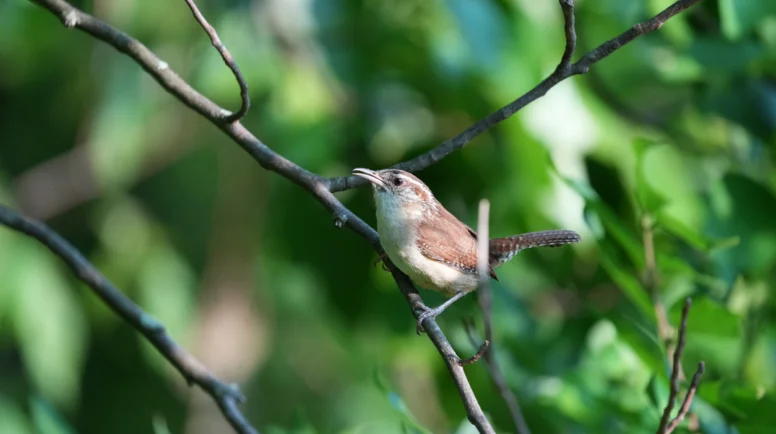
She and I worked to restore our relationship. We emailed at first, and then we called. Eventually, we got our vaccines and started to meet outside the church to pray for one another. She was an avid birder, and sometimes we’d sit in silent appreciation as the birds prayed over us. I couldn’t take back the years that my mistake had eaten away, but slowly, trust began to grow between us again.
The chance to make amends – to restore – is a gift that may even outlive us.
On the day after she died, I went to the remembrance garden at church and sat on the bench where we used to meet. I thought about the sacred opportunity when people are brave enough to share their pain with us, especially when we’re the ones who contributed to it. I felt the sharpness of my grief and, suddenly, a Carolina wren’s joyful song cut the bright blue sky.