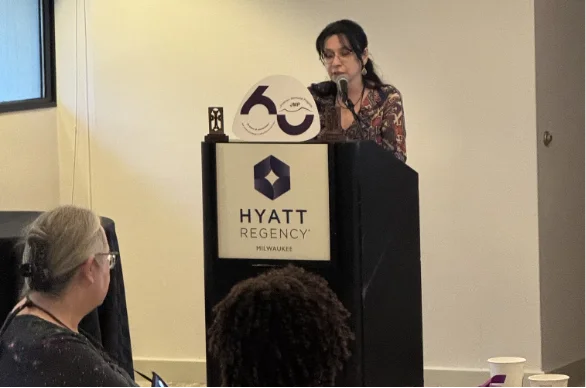
As the Jinishian Memorial Program celebrated its 60th anniversary during the 227th General Assembly, its witness offered more than a history lesson. Established through a 1966 endowment and administered by the Presbyterian Church (U.S.A.), the Jinishian Memorial Program partners with local leaders to support Armenian communities through relief, economic development, education and community-building in Armenia, Syria, Lebanon, Georgia, Jerusalem and Istanbul. Its work shows how mission can move from meeting immediate needs to cultivating long-term transformation.
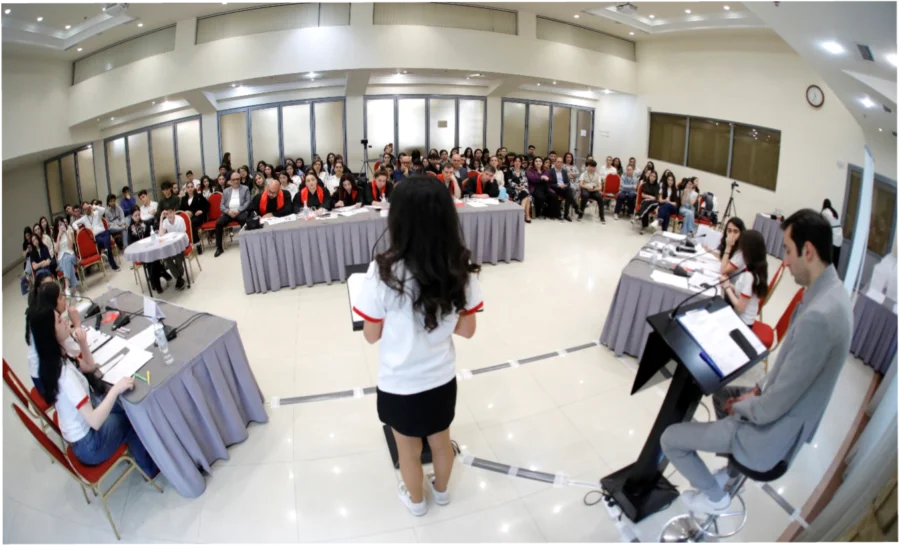
One of the program’s most surprising ministries helps young people learn the habits of civic life through debate. That made its anniversary celebration at General Assembly feel especially appropriate.
For, as many Presbyterians know, General Assembly includes much debate — debates about overtures, amendments, budgets, polity, theology and the future direction of the church. At our best, we do not deliberate because we enjoy parliamentary procedure. We deliberate because we believe the Holy Spirit works through listening, questioning, challenging and discerning together.
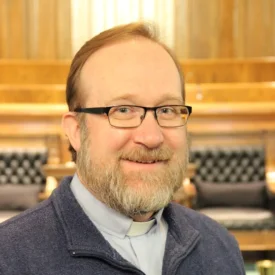
I served on the JMP board from 2012 to 2016, where I witnessed one of the most compelling examples of Presbyterian-related global mission I have seen: a program rooted in Armenian leadership, supported by Presbyterian partnership and committed to dignity, sustainability and hope.
Founded through a gift from Vartan H. Jinishian in memory of his parents, Haroutune and Catherine Jinishian, the program has long sought to help people move “from poverty and despair to self-sufficiency and hope.”
At the anniversary reception, Executive Director Eliza Minasyan reflected on the foresight of the program’s founders. Values now considered hallmarks of effective development work — local leadership, ecumenical partnership, sustainability and innovation — were built into JMP’s vision from the beginning.
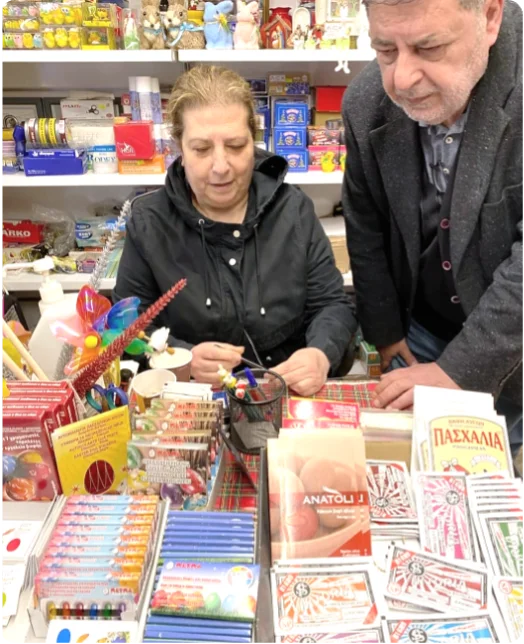
That vision has evolved with changing needs. Earlier generations focused primarily on food assistance, medical care and emergency relief. Those ministries were essential. Over time, however, JMP expanded its work to include economic development, community health, education and civic engagement.
That evolution reflects an important theological distinction. Relief asks, “What do people need today?” Development asks, “What will help communities flourish tomorrow?” Civic engagement asks a further question: “How do people gain the skills and confidence to shape their own future?”
That is where the debate clubs come in.
Since 2005, JMP has supported debate clubs in more than 100 Armenian secondary schools through its Youth Engaged in Society initiative. The program encourages civic responsibility, democratic participation and critical thinking among young people.
For many Americans, debate feels ordinary. We assume students can learn to research, argue respectfully and test ideas. But in a former Soviet republic still strengthening democratic institutions, debate is more than an extracurricular activity. It teaches students to organize evidence, listen carefully, engage opposing viewpoints and see themselves as participants in public life.
That is a remarkably sophisticated form of mission.
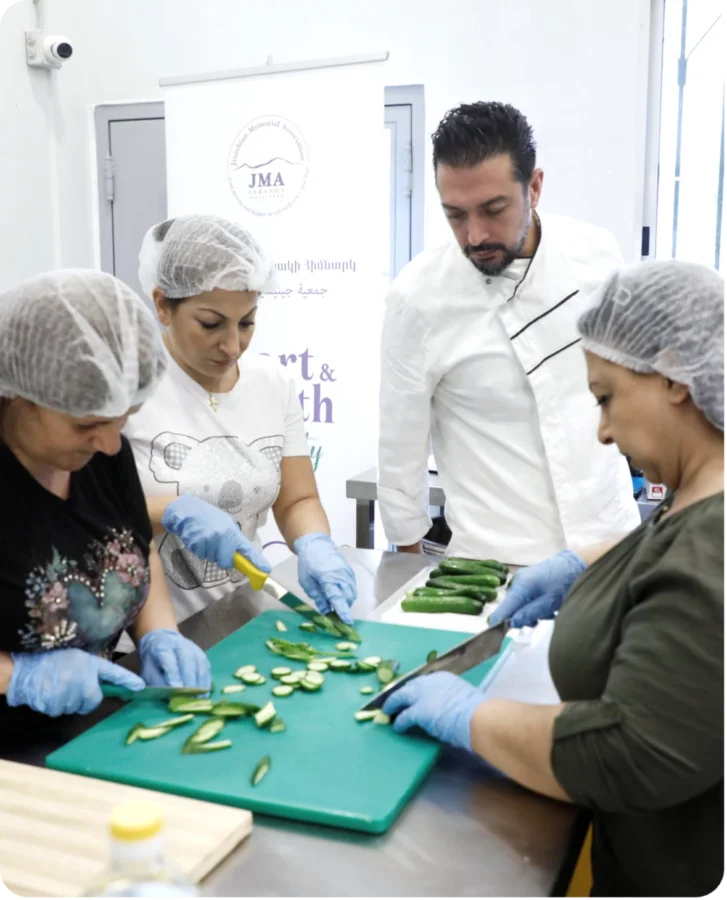
JMP’s effectiveness stems not only from its financial resources but also from its governance. Its board includes both Armenian leaders and representatives of the PC(USA), bringing together deep local knowledge with the support of the wider church. The program serves people based on need rather than religious affiliation, ethnicity or political identity, and it partners broadly across denominational lines.
In an era when churches often look for quick fixes, JMP offers another model. It invests patiently in local leadership, values sustainability and remains willing to innovate.
As Minasyan observed, “We are not afraid to innovate. We are willing to take risks when necessary. We understand that not every new initiative will succeed, but we never allow fear of failure to prevent us from trying something that may transform lives.”
The anniversary celebration honored the past, but its deeper witness was about continuity. A bequest made in 1966 continues to bear fruit because the program has remained faithful to its founding vision while adapting its methods to changing realities.
That is a lesson the church needs.
We need ministries that respond quickly to hunger, illness and displacement. But we also need mission that invests in leadership, education, economic opportunity and the institutions that allow communities to flourish.
Sometimes that looks like a clinic. Sometimes it looks like a small-business grant. Sometimes it looks like a rehabilitation center for children. And sometimes it looks like a high school student in Armenia learning to make an argument, listen to an opponent and discover that their voice matters.
General Assembly reminded Presbyterians that debate is one way we discern God’s leading together. The Jinishian Memorial Program reminds us that debate can also be something we cultivate in young people and communities, strengthening the habits of democratic life.
That, too, is mission.