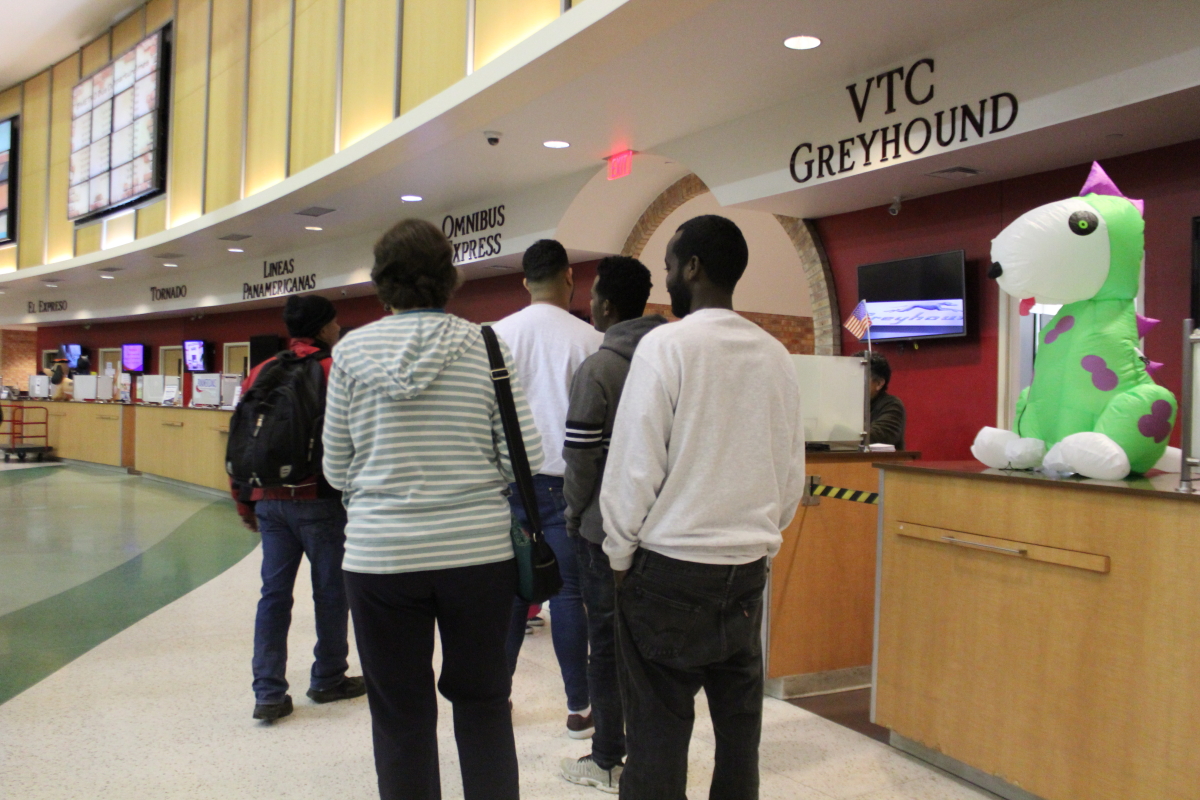
BROWNSVILLE, TEXAS – They walked single file into the Brownsville Greyhound station before the sun had risen in the sky, dropped off by immigration authorities from the Port Isabel Detention Center.
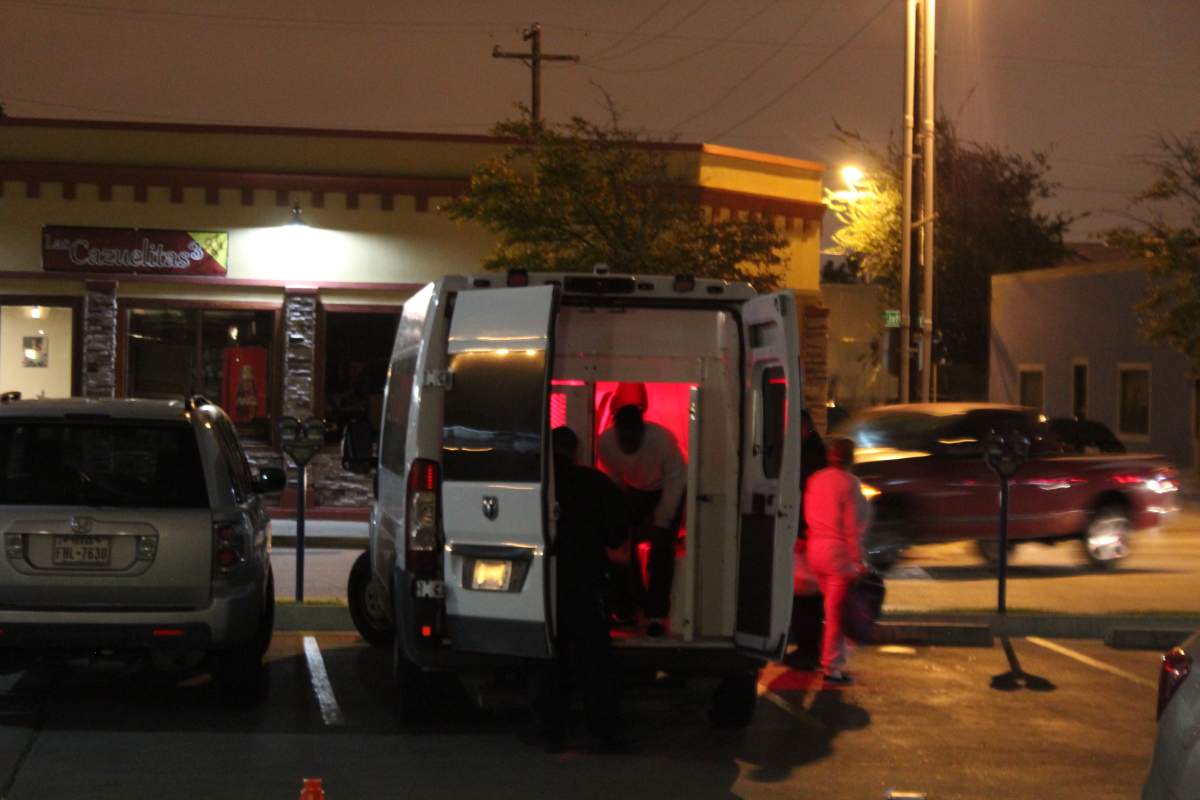
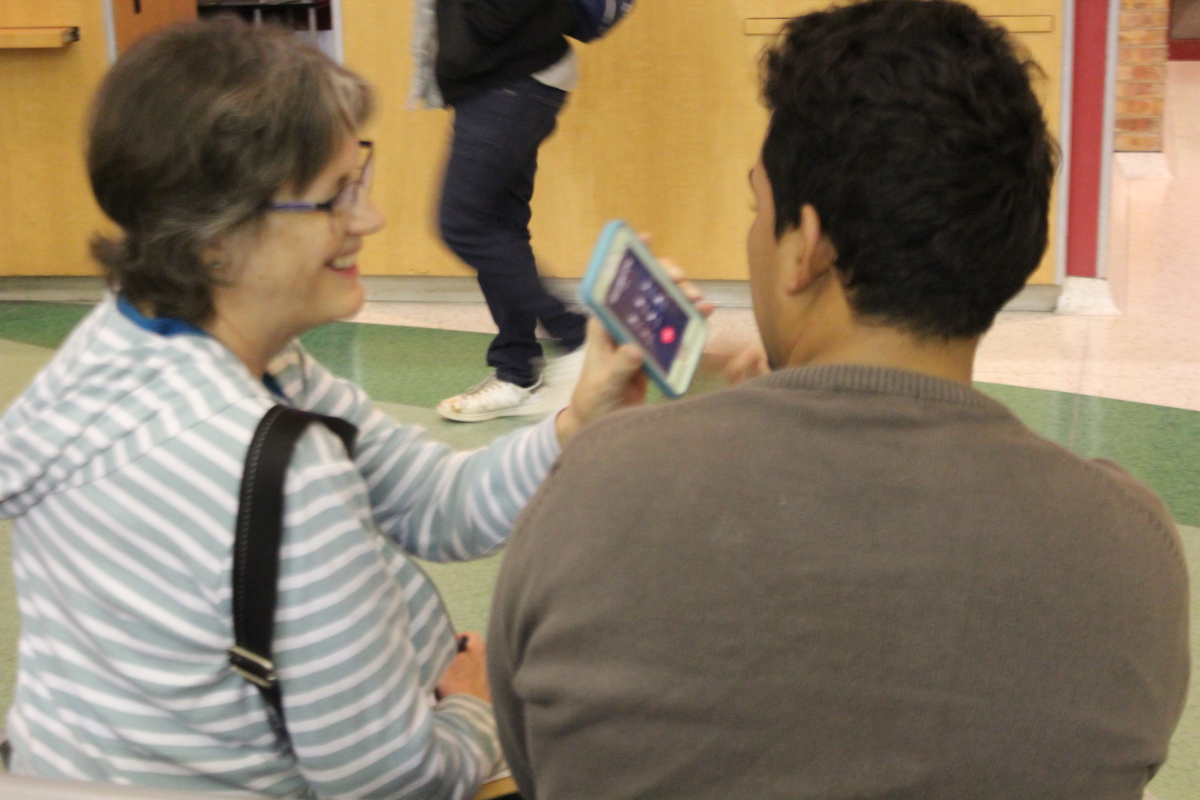
A Somalian was on his way to meet a cousin in Everett, Washington – although it took volunteer Andrea Rudnik close to two hours and phone call after phone call to sort out his bus ticket.
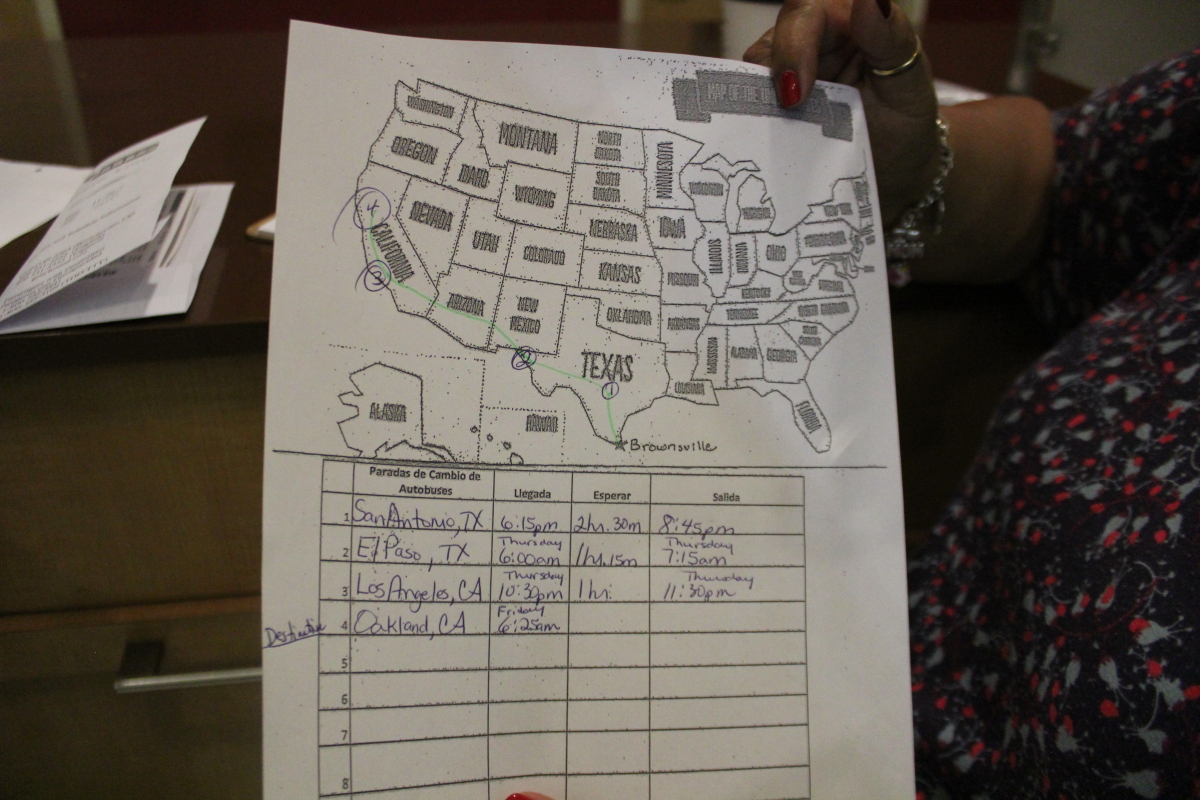
A man from Eretria, who’d been held in detention for three months, was now heading to Oakland, California, to meet his brother. He would be riding buses for dozens of hours, with stops in San Antonio, El Paso, Los Angeles and finally Oakland.
All are in the United States legally, having initiated the process of applying for asylum, and most are on their way to stay temporarily with friends or family. Down the road, some may be given permission to stay permanently, and others refused that and deported. For the time being, they had just been released from detention, had no money or food, and needed help understanding what would happen next.
As the political battle over U.S. immigration wages on, the humanitarian drama of the asylum-seekers plays out like an endless loop, chapter after chapter of suffering and hope being written in bus stations, emergency shelters and courtrooms.
The 28-year-old Eretrian had been on the move for years – part of a mass of migrants who’ve fled political violence in his home country. “I go to South Sudan to save my life,” he said. He said he’d been living illegally in South Sudan for two years, eight months, but “there was a civil war in Sudan. That’s why I leave. … I was not having any other options.”
With the help of a smuggler, he made his way to Venezuela, then north through Central America to the U.S.-Mexico border, where he slept on the bridge for five days before being given permission to cross.
He speaks four languages. “I don’t know what is in the United States,” the man said when asked about his hopes for the road ahead. “I will do what I get.”
Last summer, when migrants released from detention began filling the bus stations across the border and media attention spiked over the issue of family separation, volunteers in Brownsville met with local officials try to work out better arrangements. Volunteer Sergio Cordova met with officials from the city, the police department, the bus station, Immigration and Custom Enforcement, and the nearby Good Neighbor Settlement House.
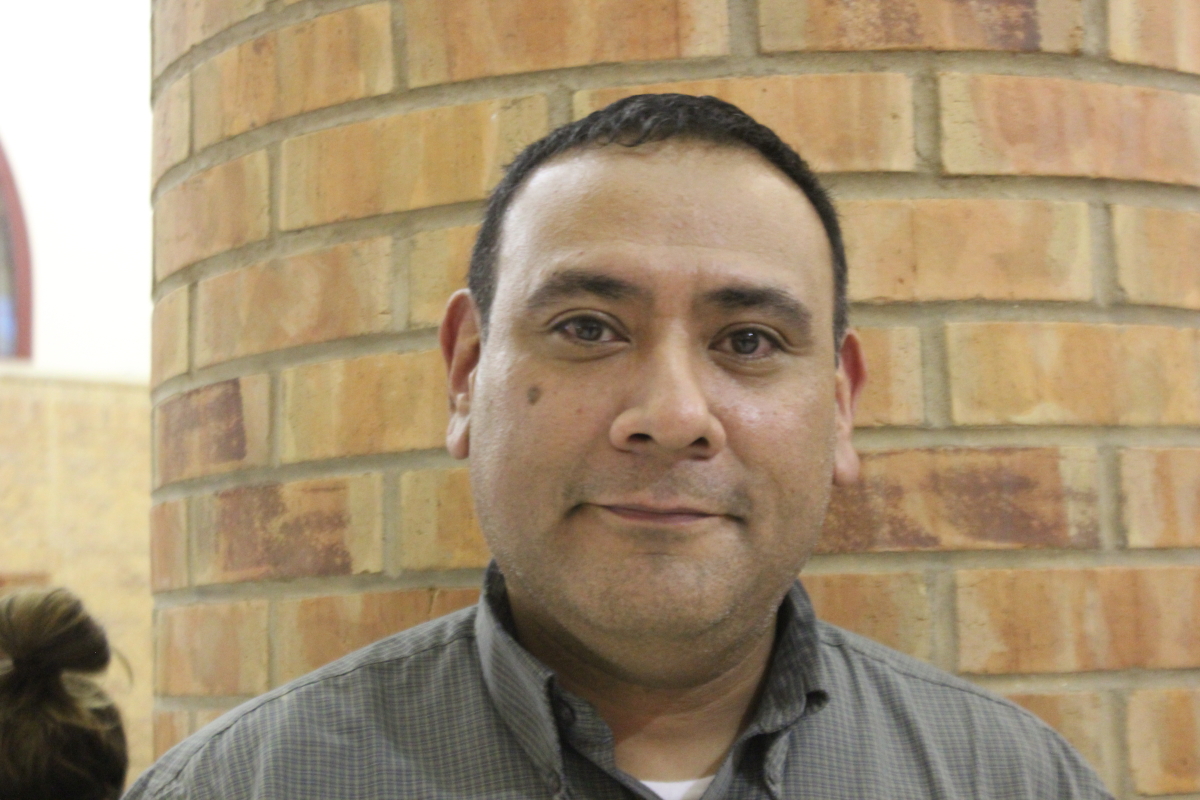
The understanding reached was that asylum-seekers who needed a place to stay overnight could go to Good Neighbor, a nonprofit agency founded by the Methodists and which provides services to the hungry and homeless in the area. Immigrants with hours to wait before their bus departs can go there too, for a meal, a nap and a shower, although some refuse – too frightened to leave the bus station for somewhere unknown.
And immigration officials said they would drop people off during the day, to give volunteers a chance to help and avoid having people sleep on the streets. In Brownsville, most of those dropped off are young men, traveling alone, or single and pregnant women.
Rudnik, a retired special education teacher, volunteers at the Brownsville bus station two or three days a week – part of what’s known informally as the Brownsville Team.
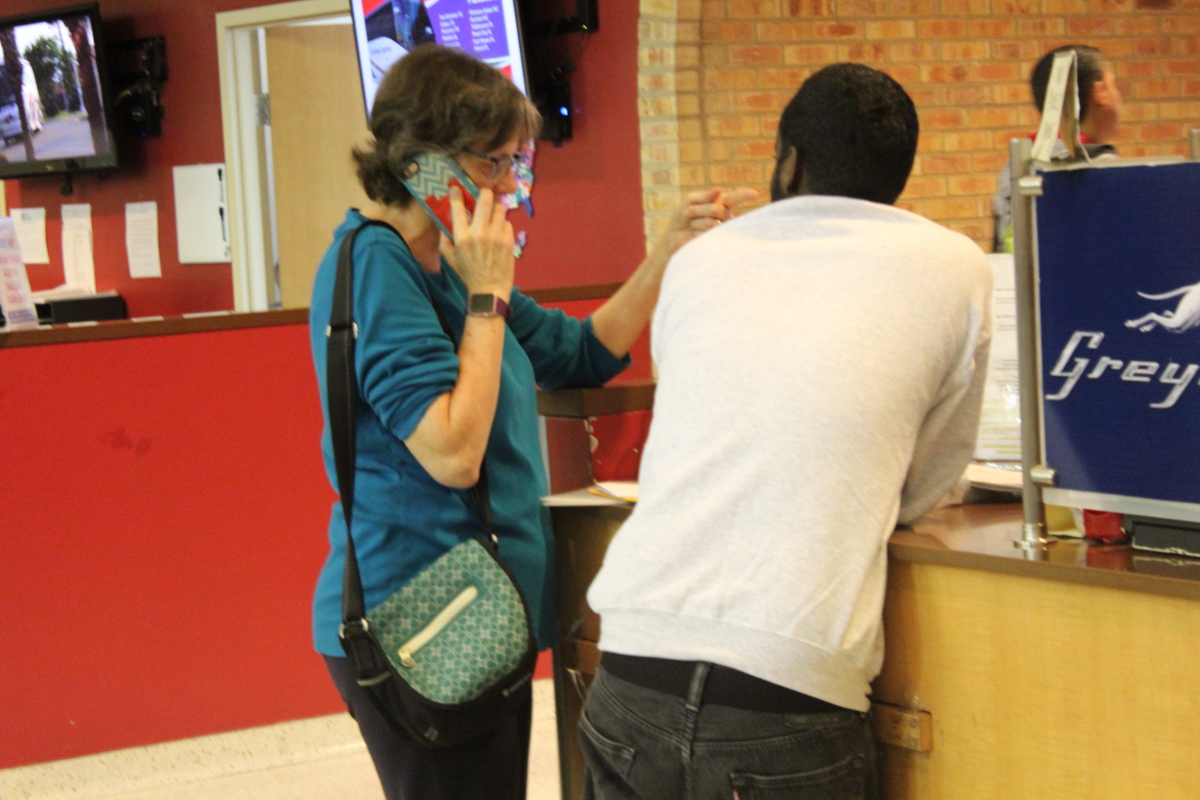
As she works, Rudnik carries with her “the stories of the incredible people we have met, the things they have gone through to get here.” Many are young men, 18 to 20 years old, “just beginning their lives. … We’ve heard such stories you can’t believe” – stories of torture, kidnapping, family violence, murder and rape.
One 17-year-old boy was there when his mother’s boyfriend killed her with a machete and then threatened to kill him too, said Michael Benavides, another volunteer. The boy ran away, took other children from the family to stay with nuns at an orphanage, then headed north, alone.
Rudnik met a young man from Gambia who said he’d been in immigration detention for two years. “He had no money and no family,” she said. “He told me he had pictures on his phone of dead people in the jungle. He said he wanted to document it.”
When released from detention, “he just had this incredible joy in his face,” she said. He had completed all his asylum paperwork in detention, and helped others do the same.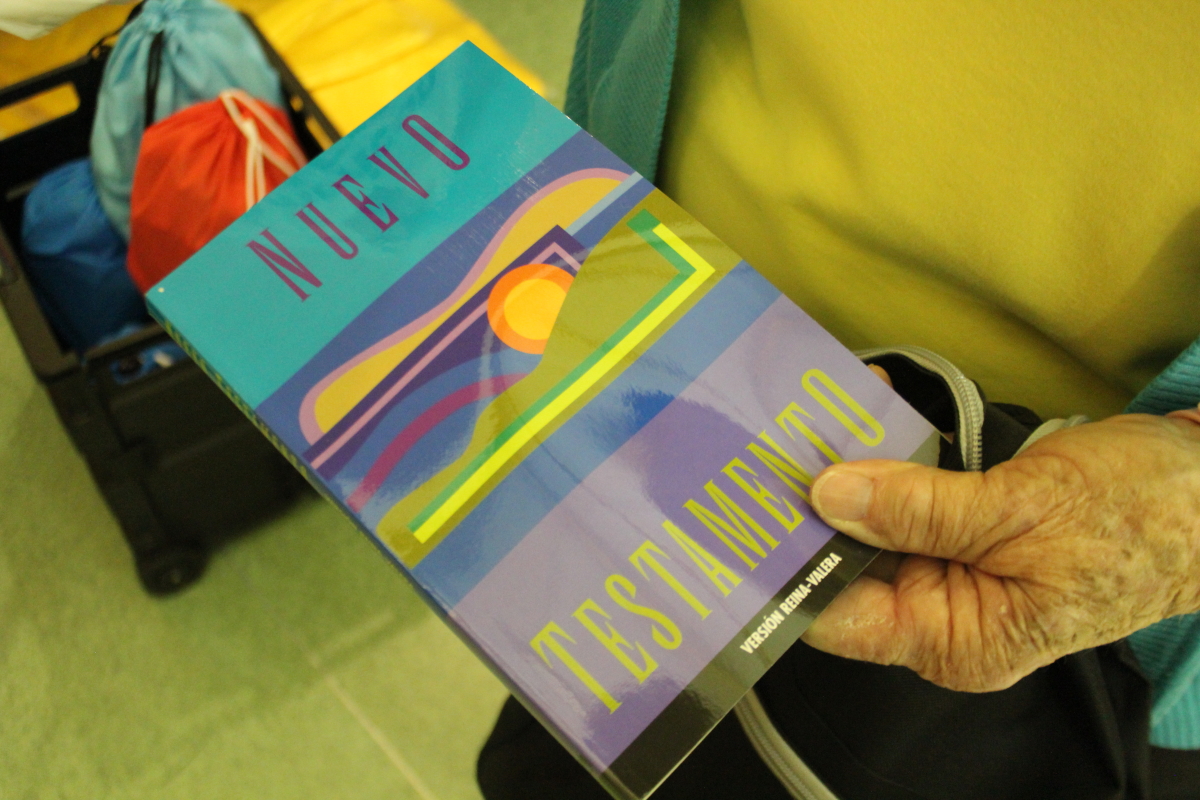
The Brownsville Team gives each asylum-seeker a backpack with food, a Spanish-language Bible and a bag of toiletries (toothpaste, shaving lotion, tissues and more). They also provide shoelaces and belts (immigration officials take those away) and socks, underwear and clean clothes.
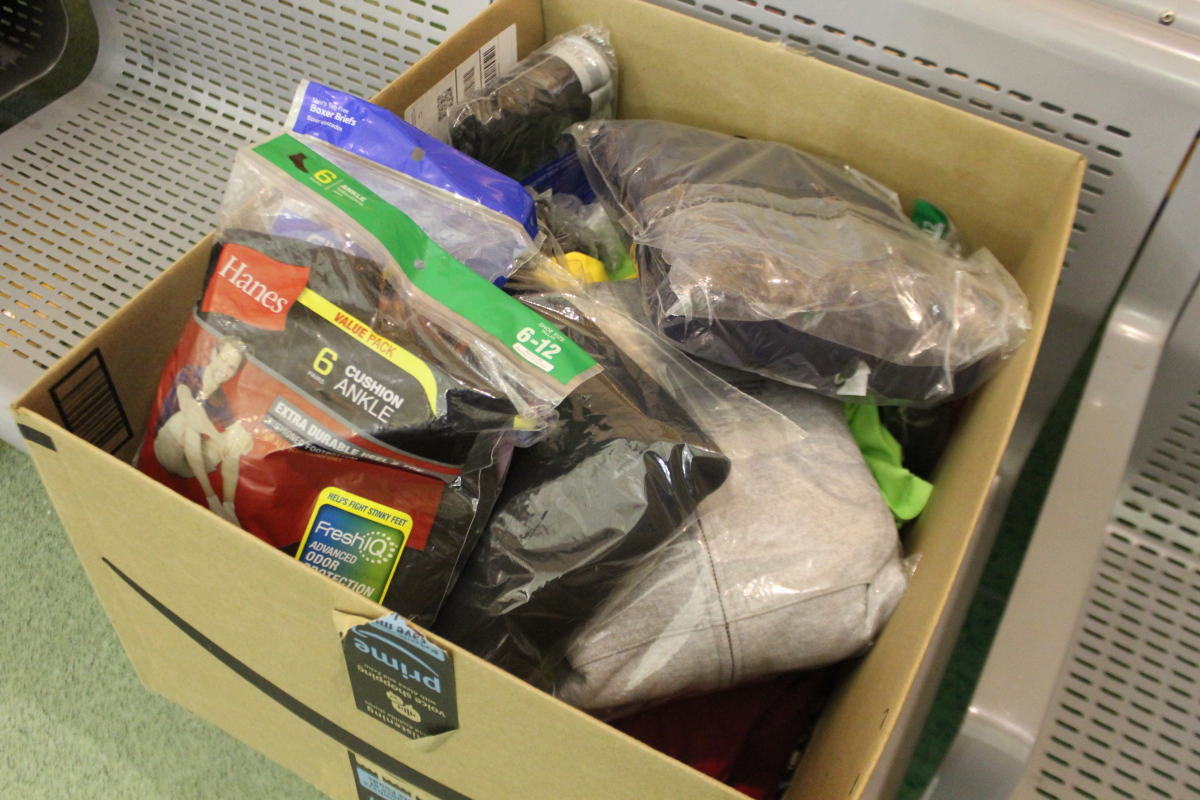
The garage at the home Cordova shares with his partner, Michael Benavides, is stacked with supplies donated through a Go Fund Me account and an Amazon Wish List, used to stuff the backpacks sent to the bus station every day.
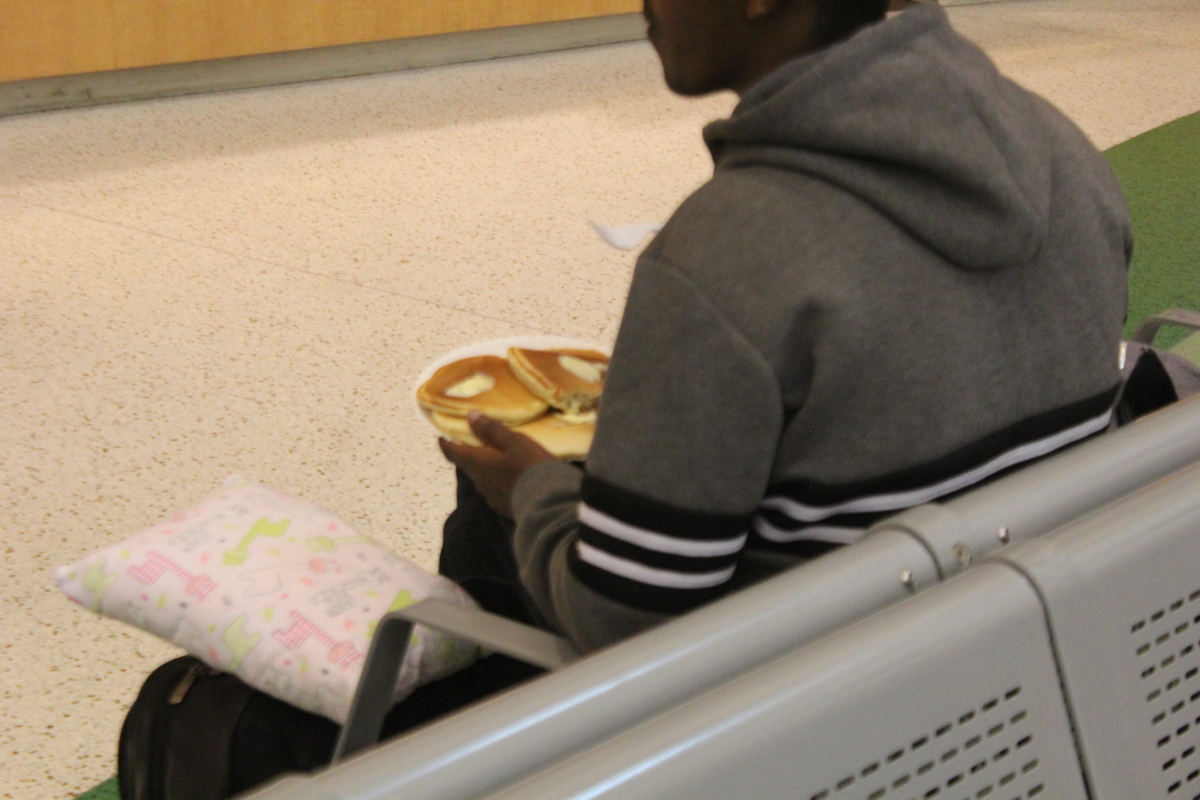
“Everyone leaves with a clean shirt,” Cordova said. The volunteers provide sandwiches and snacks – peanut butter crackers, pretzels, water, “anything to fill their stomachs” – along with donated blankets and a plastic folder to protect their legal documents.
The Brownsville volunteers have met asylum-seekers from all over: Cuba, Honduras, Guatemala, Nicaragua, Kosovo, Bangladesh, Brazil. “Sometimes they come from China, speak Mandarin,” Cordova said. “We have to use Google Translator” to communicate.
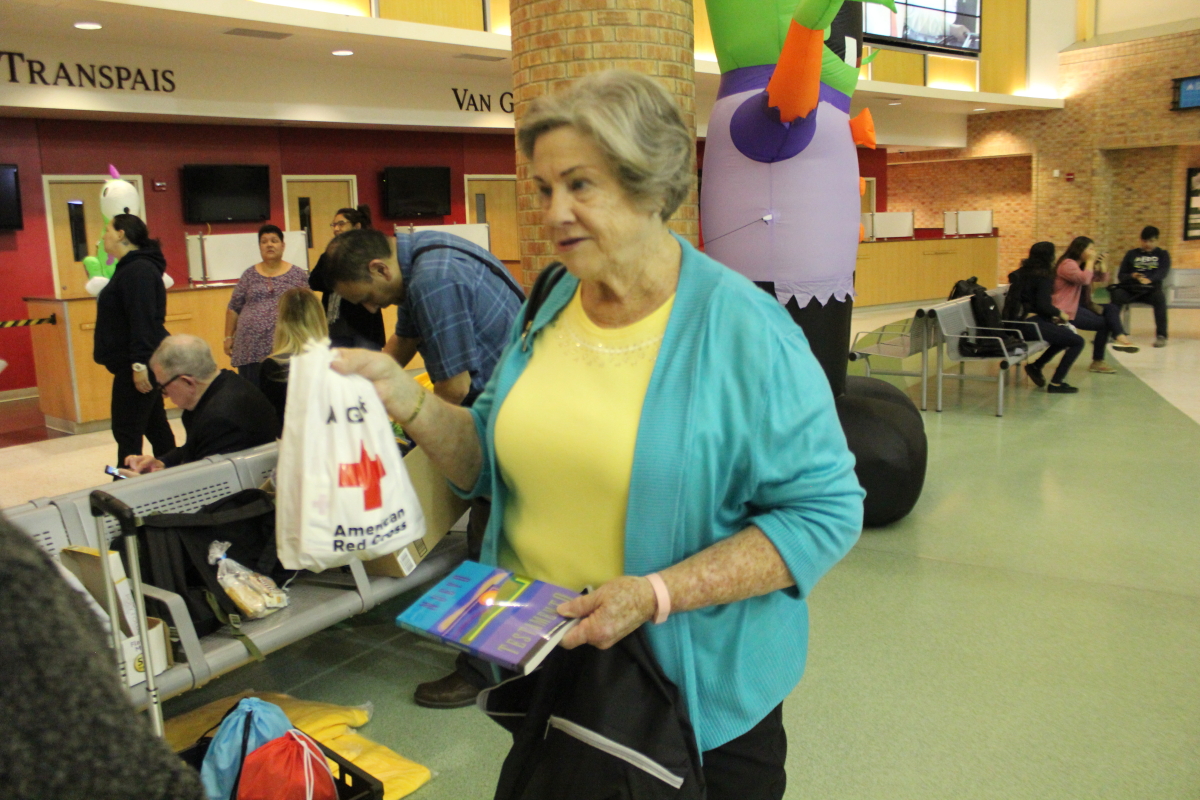
Virginia White, a volunteer from Good Neighbor Settlement House, sometimes drives asylum-seekers to the airport, if they’re flying to their destination rather than taking the bus. Many are terrified. “As they walk toward the plane, they turn around and they wave at you,” White said. A man tried to give her all the Nigerian coins he had. “He said, ‘I don’t want you to ever forget me.’ ”
Marianela Watson, a retired educator, hands each traveler a map showing the route he or she will take, with the bus transfers all listed.
“They’re like my brothers, they’re like my sisters,” she said. “The Bible says, ‘When you saw me in need, you helped me.’ ”
One woman, a grandmother, was traveling to Dallas to meet her daughter. She was supposed to have her daughter’s two children – 12 and 14 years old – with her, but they had been separated at the border. “How can I get them back?” she asked Watson. “How can I go to Dallas and tell my daughter I don’t know where her kids are?”
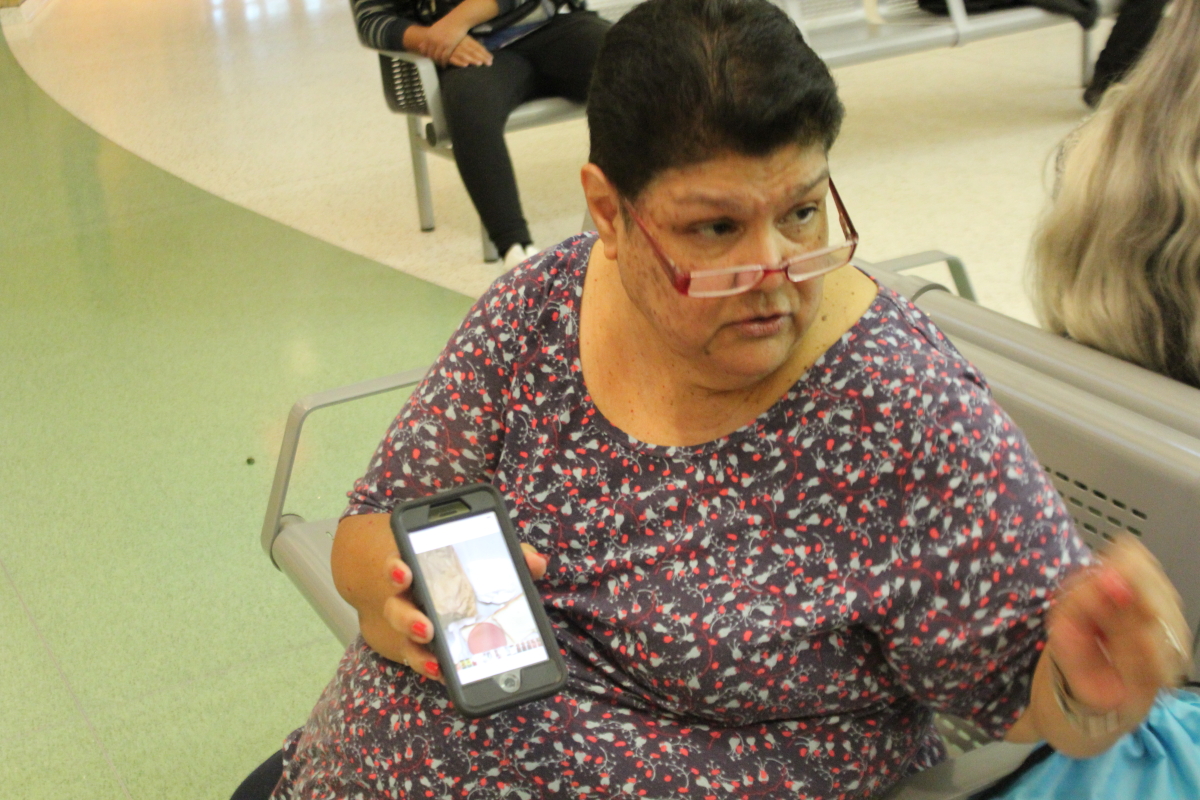
Watson didn’t have an answer. She sat with the woman, and listened.