BALTIMORE – The new mental health initiative of the Presbyterian Church (U.S.A.) – prompted by an overture from Mission Presbytery in Texas approved by the 2018 General Assembly – is gaining momentum.
That initiative provided $250,000 in “seed money” grants for Presbyterian congregations, mid councils and seminaries to initiate or move forward with mental health ministries. Sept. 15 is the deadline for applying for the first round of grants – one-time awards of up to $10,000, with the hope that the work that emerges will broaden mental health awareness, lessen stigma and make faith communities more welcoming to those with mental illness.
The initiative also will include surveys, which Presbyterian Research Services will conduct this fall, of pastors, congregations, mid councils, seminaries and individual Presbyterians, trying to get a sense of what’s happening in mental health ministries in the PC(USA) and what’s needed.
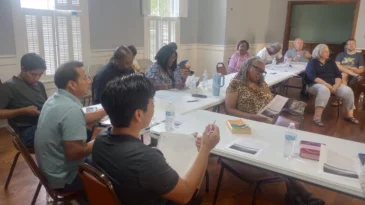
Those next steps – and the importance of this work – were on the agenda as Compassion, Peace and Justice ministries of the Presbyterian Mission Agency hosted a “Mental Health Matters in my Church” breakfast Aug. 13, on the final morning of the Big Tent 2019 gathering in Baltimore.
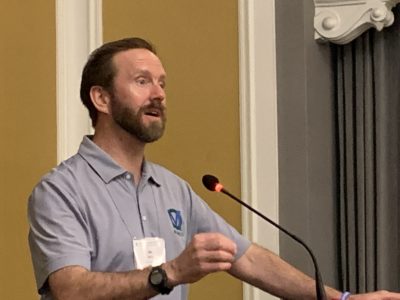
Dan Milford, pastor of Covenant Presbyterian Church of San Antonio, is part of the leadership team of the emerging Churchwide Mental Health Network. His congregation got involved in mental health work three and a half years ago, after a 15-year-old boy from his congregation died by suicide and, devastated by that, the boy’s father later took his own life as well.
Milford said those losses caused his congregation to wonder “if we could have helped if we knew what we were doing.” So Covenant began a mental health ministry. And since doing so, Presbyterians have come to him repeatedly to say, “I’m living with depression, I have bipolar disorder, I have a son with schizophrenia” — many more in the last three years since the ministry began, Milford said, than ever approached him in the prior 22 years of his pastoral ministry.
The statistics alone – with one in five people living with mental illness – mean “that we either are that somebody or we know that somebody,” Milford said. Yet when it comes to mental health ministry, “most churches never get started, because they don’t know where to begin.”
That gives some freedom, however, to try new things and start somewhere. Opening the conversation in a congregation or a presbytery “doesn’t cost a penny,” he said. And when those conversations start, “two or three or five or seven people will say, ‘I know something about this; I’m willing to help.’ And who knows where the spirit will lead you in your context once that begins.”
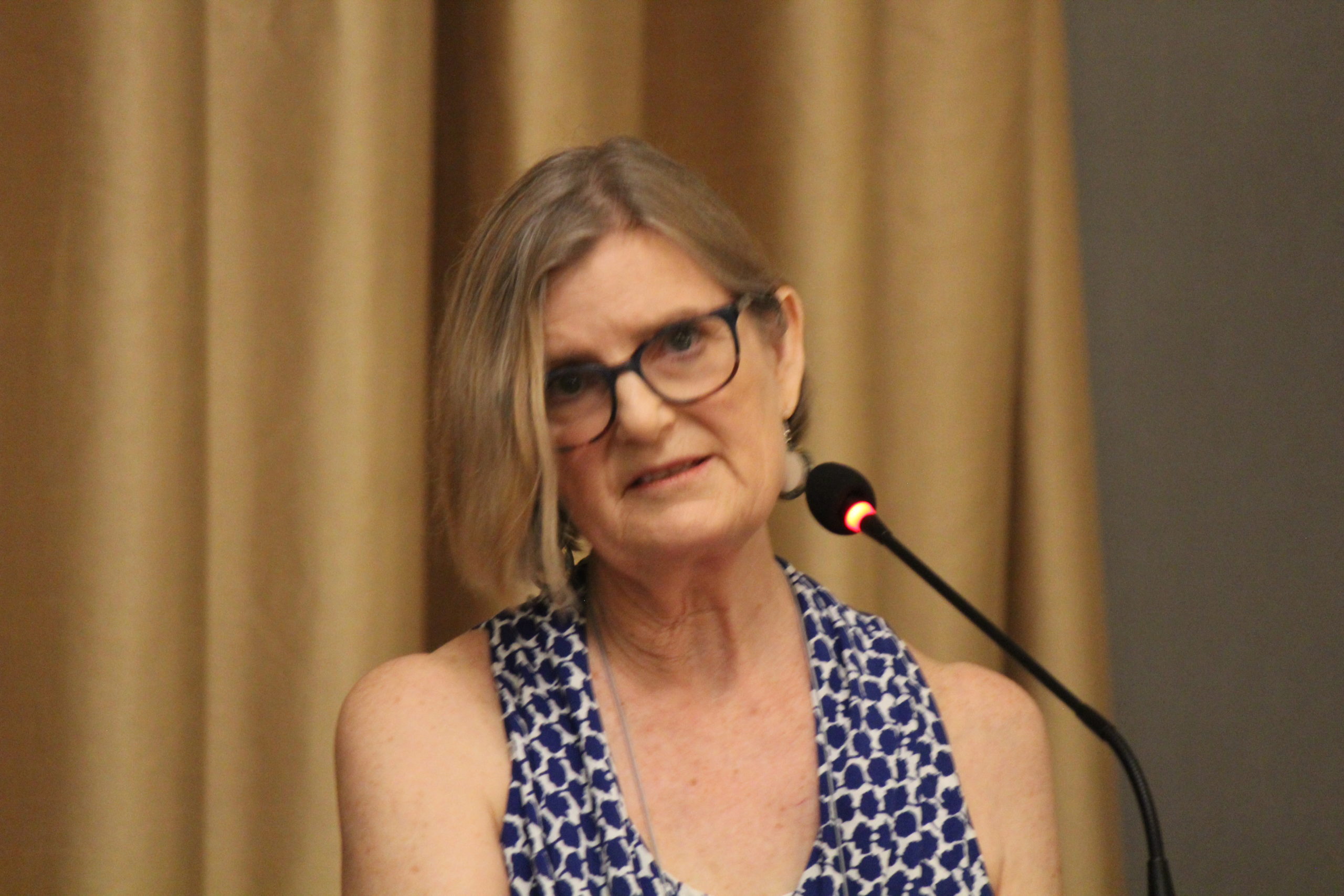
Donna Miller, who has been hired as the PC(USA)’s associate for mental health ministry (a hiring made possible because of the 2018 General Assembly action), said there’s a new spot on the PC(USA) website for information on mental health ministries – which includes ways people can get involved.
- They can join the new Churchwide Mental Health Network and receive information about its work.
- Share their own stories of living with mental illness or supporting and learning from those who do.
- Offer suggestions for updating the “Comfort My People” policy paper on living with serious mental illness, which the General Assembly approved in 2008.
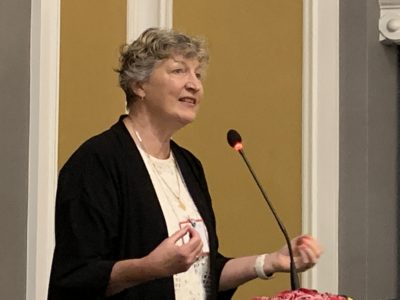
Sara Lisherness, director of Compassion, Peace and Justice ministries, said the hope is that an updated edition of “Comfort My People” can be ready by the 2020 General Assembly.
Miller spoke of the ways in which mental illness intersects with congregations and communities. For example:
- It’s estimated that one in five people have a diagnosable mental illness in a given year. That would mean in a given year 300,000 Presbyterians would have “lived experience” with depression, substance addiction, PTSD, schizophrenia and more.
- The rate of suicide has increased by 30% over the last 15 years. The fastest increases have been among children and older adults. About half of the 47,000 deaths annually involve firearms.
- Children grow up shadowed by the specter of gun violence including gun safety drills at school. “We know early exposure to trauma is a significant risk in the development of later serious mental illness,” she said.
She also spoke of the enduring stigma surrounding mental illness – one of the reasons churches can be reluctant to talk about it – and said many with mental illness don’t seek treatment because services aren’t accessible or affordable, or because they fear what will happen if people find out.
That’s where churches have a role to play, Miller said.
“Isolation and loneliness are the enemies of mental health,” she said. “Being part of a community where you are accepted as you are and can be real and authentic and having a spirituality that is meaningful to you are the friends of healing and recovery.”
Milford spoke of what’s already happening — a church in Wisconsin, for example, which set up screening for students to help identify and provide support to those who might have suicidal ideations.
Roxbury Presbyterian Church in Massachusetts hosts open mic nights where people can share stories of trauma and healing — and established the Cory Johnson Center for Post-Traumatic Healing, named after a 27-year-old man from the community who was shot and killed in 2010.
The network will be a way for congregations and presbyteries involved in mental health ministry to share ideas and resources — and to create new initiatives, Miller said. “I truly believe our churches can be transformed by what happens.”