The church gets it wrong sometimes when it comes to food allergies.
I learned this about 15 years ago. I have a nephew who has severe food allergies, and a bag with EpiPens goes everywhere he goes. He is an adult these days, but when he was a small child – before he could read or understand his allergies – it was hard for his parents to leave him in the care of anyone who wasn’t familiar with allergies. I had been trained in reading labels, use of the EpiPen and even separate sink sponges when I cared for him. One day my sister took him to church and brought him to Sunday school. (Not a church I ever attended or served.) She carefully explained to the teachers his food allergies and how most kid-friendly snacks were not safe for him. The teacher listened, assured my sister he would be safe and promptly served him a snack that was not safe. My sister had lingered at the door and saw it happen — she grabbed it before he could ingest it. She promptly left and never felt safe to leave him there again. Sometimes we only have a moment to make an impression and provide welcome.
Long before I was a pastor, I was a Sunday school teacher, a volunteer who worked hard to teach kids about following Jesus, the love of God and life in community. I have watched countless volunteers who are dedicated and love children work each week on lessons for their students. I know they work hard, I know they mean well and we are all human and are prone to mistakes.
The church was also one of the first places I heard statements like: “Allergies aren’t real,” “Kids need to toughen up and eat some peanut butter,” “This is part of the liberal agenda” and “Why are there suddenly allergies when we didn’t have them when I was growing up?” Those statements were heartbreaking to me as a new pastor trying to bring some allergy awareness into the church. I didn’t know peanut allergies were a part of a political agenda! I know that feeding a person a food they are allergic to can close their airway and kill them.
I am naturally an “includer,” especially when hosting people. I want to make sure everyone is comfortable, well fed and hydrated. I watched my nephew be unable eat the cake at any birthday party because of allergies. When it came time for me to host a birthday party for my own kiddo, I spent months learning how to make and decorate cupcakes that were safe for all the kids. Food allergies create exclusion around the table, and I am simply not OK with that. All are welcome around God’s table and my own. There shouldn’t be the fear of: Will this food close my airway? Can I trust this person to understand my dietary needs?
I don’t mind having to do a little extra work to include everyone. I try to make my table a place of welcome for everyone — allergies, sensitivities, vegetarian or vegan. I can cook around any ingredient to provide welcome at our family table. My hope is that through proper education and sharing of stories, the tables at church functions will become welcoming!
Let’s start with the Communion Table. You can get bread that is gluten-free for folks whose bodies have issues with gluten. You can take it a step further and get bread that is free of some of the top allergens, which opens the table further to folks with severe nut allergies or egg allergies. These changes will receive some pushback, but eventually people get used to this. I remind people, that in communion we are symbolically eating the body of Christ, it isn’t about the flavor or the texture of the bread. I get it, some gluten free bread is a bit dry, but everyone can eat it. The body of Christ is after all for all people.
Welcome, though, extends well beyond the sacrament in worship. It is offered in our fellowship time each week, at potlucks and any time we gather together around food. Here are some practical steps that can get you on the road to being more inclusive for folks with special food needs.
- Christian education. Make sure your registration forms ask for a list of allergies. Make sure the foods offered as snacks are safe for the kids. It isn’t a bad idea to ask each parent with a food sensitive kid if a particular snack is safe. Help volunteers to understand the seriousness of the allergies and how to respond if there is accidental exposure. If you have a kid who needs an EpiPen, you have to know how to use it.
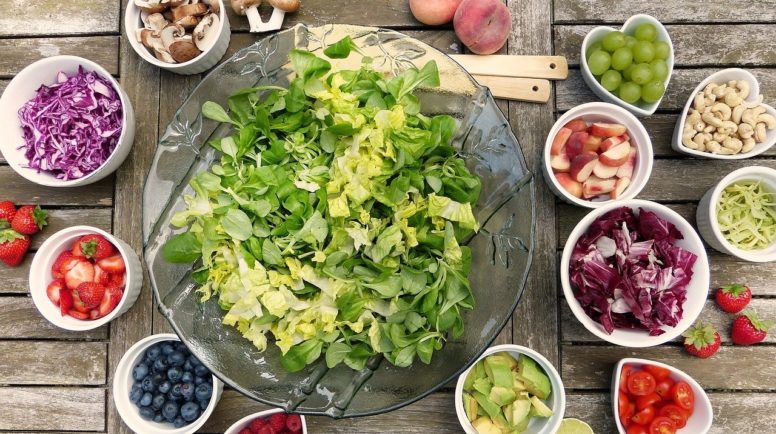
- Fellowship and potluck treats. There are a lot of ways to provide welcome in these shared meals. Food allergies aren’t just for children; adults have them too. I know of a church that went completely nut-free for folks with severe allergies. Nuts aren’t the only allergens though. Here are some weird seemingly harmless foods that can cause an allergic reaction: celery, strawberries, apples, mustard. If you know of an allergy, make it known to people: Say, “We have a nut allergy among our folks.” (You do not have to say, “Johnny Davies is allergic to ___________ .”) The next step: label things. Set down your peanut butter pie and set a note by it: “contains peanuts.” Fruit punch: “contains apple juice, cranberry juice, sherbet, Sprite.” Casserole: “contains beef, cheese, potatoes, butter.” You might hear, “We don’t have anyone with that allergy here.” Here’s your answer: “Well, we don’t know that for sure. And, when we invite our guests to fellowship time, to really welcome them, we want to feed them. If they can’t have eggs, things need to be labeled or they can’t have any of the treats set out.” And we all know church folks want to feed everyone!
Open up the conversation, talk about it, share stories. Remember Jesus welcomed everyone, and our call is to do the same!