I never observed Lent when I was growing up. I wasn’t really even aware of Lent growing up. Being from Pennsylvania, the closest Lent ever got to my life was on “Fastnacht Day,” which is a Pennsylvania Dutch tradition of using up all the butter or lard in your house in preparation of Lenten fasting. I never really understood the Lenten fasting part; I just knew that, once a year, special doughnuts appeared in grocery stores. I honestly don’t know why Lent was off my radar. I was raised in the United Methodist Church, which does observe the liturgical calendar including Lent, but, for some reason, my particular congregation never observed it. I think that may be part of the reason why Lent is such a special time of the liturgical year for me now. When I finally discovered Lent, it felt like I had found a missing part of my faith that I never knew I needed.
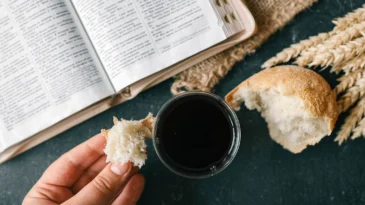
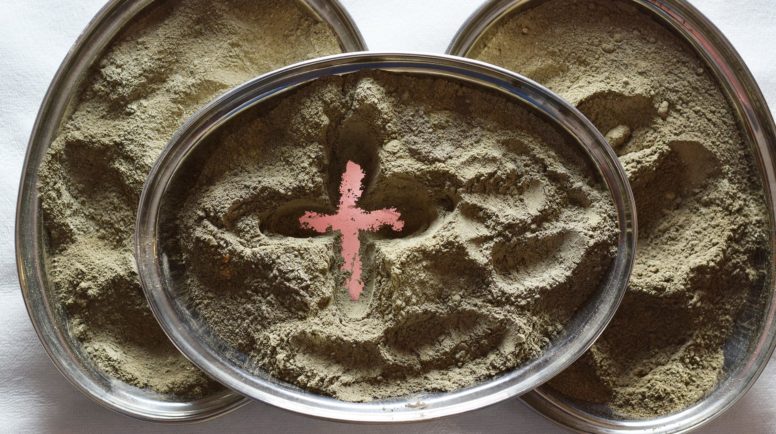
Although I was raised in the Methodist tradition, I briefly became a Pentecostal in my late teens and early twenties. I will never forget the first time I observed Ash Wednesday. I was twenty-two years old and in my final year of college. Three friends and I (just a bunch of low-church Pentecostal kids who were hungry for some liturgy) attended an evening service at Washington Memorial Chapel in Valley Forge, Pennsylvania. The Chapel is an active Episcopal church housed in a historic building constructed in a beautiful Gothic style. At that point in my life, I was used to worship styles that had no apparent liturgical structure. The whole experience of receiving ashes, taking communion, and being reminded to observe a holy Lent felt deeply meaningful. I remember specifically how struck I was by the refrain, “You are dust, and to dust you will return.” The feeling of that moment still lingers with me today.
What is a human being? Humans are made up of various organ systems which, if we were to look at more closely, are made up of various cells which are made up of various chemical compounds, primarily oxygen, carbon, hydrogen, and nitrogen. As it turns out, these elements are exactly what you can find in a common soil sample. “You are dust, and to dust you will return.” That refrain really takes on a new meaning if you think about it that way.
Are humans really just dirt organized in a different, more complex way? What separates us from the dirt? I’m sure there is a scientific answer to that question, but, speaking theologically, the answer is the very breath of God (Genesis 2:7). You and I are animated and alive, because the very being of God flows through us. After I converted to Presbyterianism and eventually became a Presbyterian pastor and worship leader, this reality is what I have come to love so dearly about Lent. Apart from God, we are just dirt, which is a reason to give thanks that God remains with us wherever we are. In life, God gives us meaning and purpose. Even in death, while a part of us remains and changes into dirt, another part of us continues to live on in connection to the very source of breath that has animated us from the very beginning.
You are dust, and to dust you will return … but not forever. We contemplate the reality of life and death during Lent and look forward to the hope of Easter, when, in our own future resurrections from the dead, the part of us that goes down to the dust will be made new again. As Ash Wednesday approaches this year and you hear that familiar refrain again, will you join me in observing a holy Lent and giving thanks that God’s life flows through us?