In the late 2000s, Facebook was a tool of hope.
In Egypt, the April 6 Youth Movement activist group used Facebook to organize peaceful protests against then-President Hosni Mubarak’s authoritarian regime. Teenagers and 20-somethings posted fliers online, coordinated in secret chats, and dreamed of democracy, even as they risked arrest and torture simply for speaking out.
By 2011, those digital dreams spilled into the streets. Hundreds of thousands gathered in Cairo’s Tahrir Square, chanting for freedom. Facebook groups like “We Are All Khaled Said” turned grief over a young man publicly murdered by police into a national movement. For a brief, shining moment, the internet seemed to be what its founders promised — a force for human connection and liberation. Protesters held signs reading “Thank you, Facebook,” believing they had found a tool powerful enough to topple dictators.
But the same algorithms that helped freedom spread soon learned a darker trick. In the years after Mubarak’s fall, Facebook changed its code to boost posts that provoked the strongest emotions — outrage and fear. The platform that had once united Egypt’s people began to divide them. Unchecked lies and propaganda traveled faster than truth. The Egyptian military used social media to track, smear, and ultimately crush dissent.
Wael Ghonim, a Google executive and co-administrator of the “Khaled Said” page, who helped spark the revolution online, later said, “We created a monster.” The economics of anger were simply more profitable than the economics of hope. Facebook’s “fire” — once used to light the way toward democracy — now fuels polarization, not just in Egypt but across the globe.
What does faithful speech look like in a world optimized for rage?
What does faithful speech look like in a world optimized for rage?
Recently, the Outlook hosted a webinar, “When Words Work,” with former Nike marketing executive John Olinger. We live in an information-saturated world, Olinger told us, where we are bombarded by more than 5,000 ads a day — not counting texts, emails and notifications. For churches and ministries like the Outlook, there’s no competing with this deluge of messages designed to trigger.
Olinger’s advice was clear: do something different. Counter messages that capitalize on outrage and fear with words that add meaning and value. Content that doesn’t bait, but blesses.
Oftentimes, church folk are shy about what we have to offer. We don’t want to impose our beliefs or come off as “holier than thou.” If we’re a small church, we may even wonder, What do we have to offer? But the gospel we share is not another brand competing for attention. It’s a story that saves. A promise that, no matter who you are or what you’ve done, you are loved by God, welcomed by Christ, and invited into beloved community.
This Christmas, when we remember how the angels appeared to shepherds – the overlooked night-shift workers of their time – notice how this breaking news wasn’t meant to stir fear or division. They proclaimed: “Good news of great joy for all the people.”
That’s the church’s communication strategy right there.
What we have to offer the world is an alternative imagination, one rooted in grace. We can model speech that restores rather than reacts, messages that lift rather than lure. Every sermon, newsletter, social media post, podcast and prayer can become an act of holy communication — a transmission of peace in a frequency dominated by noise.
When our words add value, they remind people of their own. When our stories add meaning, they push back the shadows of cynicism. When our welcome is genuine, it becomes the most persuasive message of all.
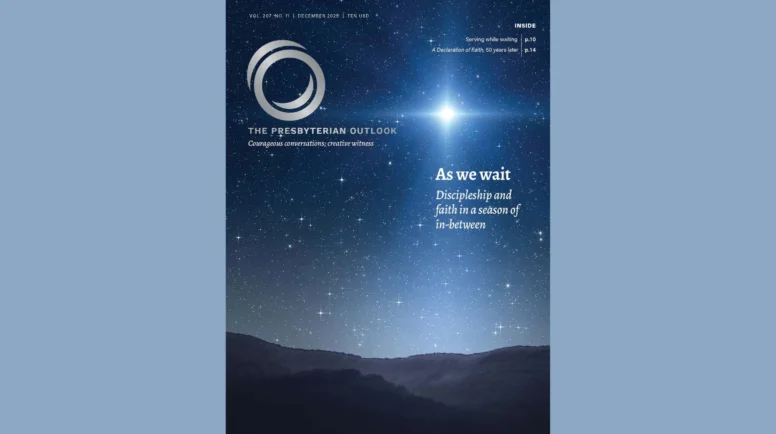
Advent is the perfect time to remember this. God’s Word didn’t arrive as a trend or go viral. It came small — swaddled, vulnerable, full of love. And that love is still the truest message we can offer to a weary, divided world.
Let our words be like those of the angels: good news of great joy for all the people.