Spoiler notice: This reflection discusses key moments from the “Stranger Things” series finale. Major plot points are referenced below.
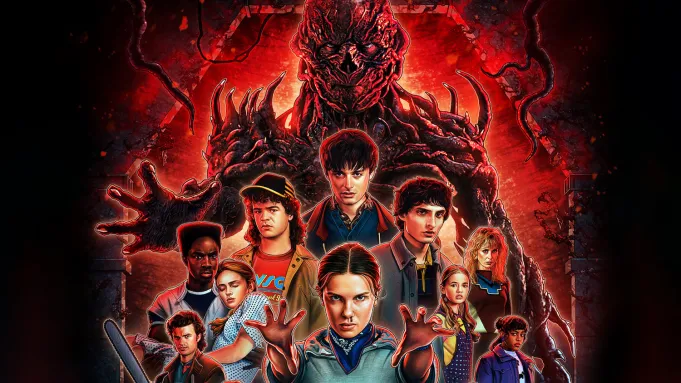
“Stranger Things” has dominated the sci-fi/fantasy landscape for nearly a decade. I have watched the show in four different apartments, with two different significant others, and for one season with the teens at the homeless youth shelter where I worked. To say that I had high expectations for the finale would be an understatement. I wanted the bad guys to lose. I wanted the emotional satisfaction of watching beloved characters grow. I wanted loose ends tied up. And for goodness’ sake, I wanted those kids to be okay.
Ultimately, the two-hour finale gave me a vision of hope.
Jim Hopper (David Harbour) remained the grumpy, earnest fatherly figure — particularly in an intimate scene with Mike (Finn Wolfhard) where he offers sage words about grief after the death/disappearance of El (Millie Bobby Brown). “What happened is not your fault. El made her choice. Now it’s time for you to make yours,” Hopper tells Mike. “And the way I see it, you’ve got two roads ahead of you. You’ve got one road where you keep blaming yourself for what happened. … You push people away, and you suffer, because that’s what you think you deserve. And then there’s another road, where you find a way to accept what happened. Find a way to accept her choice. … And you live the best goddamned life you can.”
In its closing moments, “Stranger Things” seems to present viewers with possibilities over certainty and wisdom over facts. Hopper doesn’t tell Mike or us what to do but presents choices and pushes us along. The hope offered here sees reality for what it is (or at least tries to), grieves over it, and keeps moving.
Netflix
This vision of hope became even more apparent when Karen Wheeler, Mike’s mom played by Cara Buono, hugged him after he appeared late for his graduation. Earlier in the season, Karen had fought and lost to a Demogorgon, her body marked with scratches from the monster’s talons. A year and a half after these events, Karen’s scars are ever-present. She does not wear a blouse to cover them, but a V-neck dress that reveals what she has gone through. The hope offered here does not give into shame. Hope is not found in the trauma of the cross but in the hope of resurrection — and the scars it leaves.
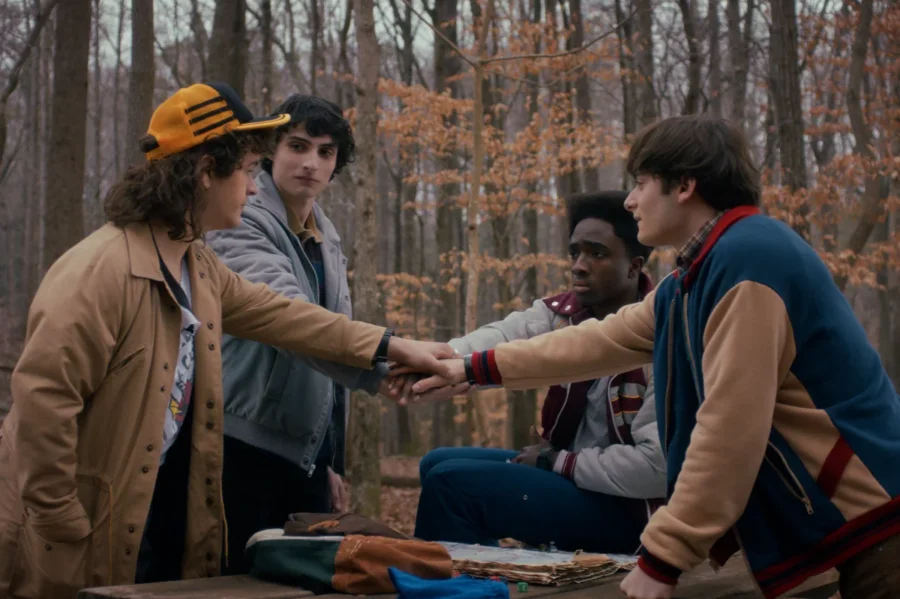
Hope does not give in to shame; Karen understood that. Rather, hope accepts the past and moves forward.While there are many more hope-filled and future-oriented moments in the “Stranger Things” finale, the last scene stands out most strongly to me. Mike, Dustin (Gaten Matarazzo), Lucas (Caleb McLaughlin), Max (Sadie Sink), and Will (Noah Schnapp) wrap up a Dungeons & Dragons campaign and head upstairs for dinner. As they ascend, Mike’s little sister, Holly (Nell Fisher), and her new friends push their way downstairs to play their own campaign.
Mike stands at the top of the steps, watching as his sister is now the storyteller. That’s the thing about life: it goes on. While these characters may be burdened with grief, trauma, and sorrow, life didn’t pause for them to recover or feel like themselves again. Rather, hope gave them permission not to overlook the past, but to push through it.
We may not be battling supernatural monsters or rescuing friends or family from villainous creatures, but life is never simple. Yet, “Stranger Things” and our Christian Scriptures invite us to hope, to trust that we can get past whatever may be holding us back from living our best lives. Maybe with the help of our friends and the workings of divine goodness, all is not lost.