We are all one accident, diagnosis, or life disruption away from needing online ministry.
I know this personally. My toddler was diagnosed with pediatric cancer in 2017, before we had robust online worship and digital ministry. Oncologists told us to stay home and avoid places with high risks of infection — specifically playgrounds, grocery stores and church. While our child was on chemotherapy, our world shrank dramatically.
Our church community showed up. They dropped off food and toys and shoveled snow. But come Sunday morning, I longed to be there with my toddler in tow. I was lost and confused and craved the comforting rhythms of hymns and hearing my community pray. But Sundays came and went.
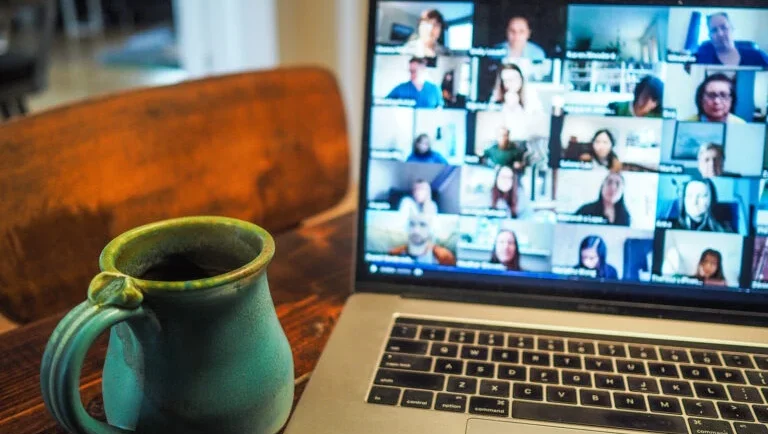
It would have meant everything to be able to worship online and connect on Zoom for communion during that time.
When people debate the value of digital ministry, the conversation often turns quickly to anxiety: Doesn’t online worship just make it easier for people to stay home? If we keep streaming services, will people stop showing up in person?
It’s a question pastors and church leaders ask each other. But I have come to believe that question asks the wrong thing. The real question is this: Who would be missing entirely if online worship didn’t exist?
New parents rocking a baby in the quiet of their living room while worship plays on a laptop.
Someone with hearing or vision loss finds that watching online actually makes worship more accessible.
A person carrying religious trauma needs distance before stepping back inside a church building.
A mom with children on the autism spectrum who finds it difficult to attend in person.
A wife caring for her husband with dementia.
A man exploring faith for the first time, but unable to find a church that fits in his small town.
A family that pauses during carpool to worship before a soccer tournament.
A man who travels constantly for work and logs onto Zoom, telling us a new city each time before we break bread over communion together.
These examples aren’t arbitrary. These are people I have known. Real people with names and stories who have told me how digital ministry and online worship kept them connected to God and to a church community.
Ask most people, and they will tell you they prefer the in-person experience. I do, too. There is something holy about being in the same room. But inclusion means making sure the digital experience exists so that people can find ways to worship in community that are safe and possible for them.
Because sometimes the sanctuary extends beyond the walls of the building. Sometimes communion is broken over Zoom from miles apart. Sometimes worship plays quietly in hospital rooms, living rooms, or from the dashboard of a minivan.
So livestream the service. Offer communion on Zoom. Take prayer requests on Facebook. Keep the digital doors open.
It all matters.
Because for someone, somewhere, that screen is not a convenience. It is the only doorway they have left into the life of the church.