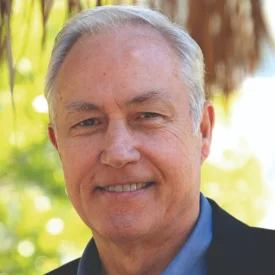
“I have very bad news. You have Acute Myeloid Leukemia,” says my oncologist, Dr. Peterson, after receiving the results of the bone marrow biopsy that he had performed a few days ago. I am on my cell phone, standing in my office on the campus of Eckerd College, where I am the college chaplain. Dr. Peterson informs me of the dangers of this deadly blood cancer. Within two weeks, I will check into the Moffitt Cancer Center in Tampa. I feel lonely and afraid of dying. Because of the COVID pandemic, no visitors are permitted. Chemotherapy begins that first night at 11 p.m. Three weeks later my hematologist Dr. Sallman reports, “The results are not good.” He informs me of another plan, and the next round of chemo begins. Within a month, I am in remission: grateful, hopeful and relieved.
The doctor’s insistence tempers my relief: to become cancer-free, I’ll need a stem cell transplant. Back on campus at Eckerd College, our Hillel chapter begins its annual Gift of Life drive in Hough Quad at the center of campus, talking to students and swabbing cheeks. The students hope to add to the global registry and possibly find a donor for their chaplain. Yet day after day, my doctors report there isn’t a match. In the process, my family has volunteered to be donors, and Dr. Khimani, my transplant doctor, finally has good news for us. Our eldest son, Patrick, is a half-match. Recent studies show transplants from a direct relative could work as well as full matches. Our hope is renewed.
Our son has given me the gift of life.
Once again, I check into the hospital, this time for the bone marrow transplant. Unlike my earlier stay for chemotherapy, my wife is allowed to accompany me, and she has agreed not to leave my side for the foreseeable future. My condition is so fragile. On the day of the transplant, the stem cells are in a series of IV bags, like donations of platelets or whole blood for transfusions. Patrick courageously donated his stem cells 10 days before the transplant. Under the supervision of Dr. Khimani, my nurses connect the first bag to the central line hanging from my chest, and as Patrick’s stem cells begin to flow into my body, the room fills with a new odor: tomato bisque. That’s what stem cells smell like. The whole process takes a few hours. Our son has given me the gift of life.
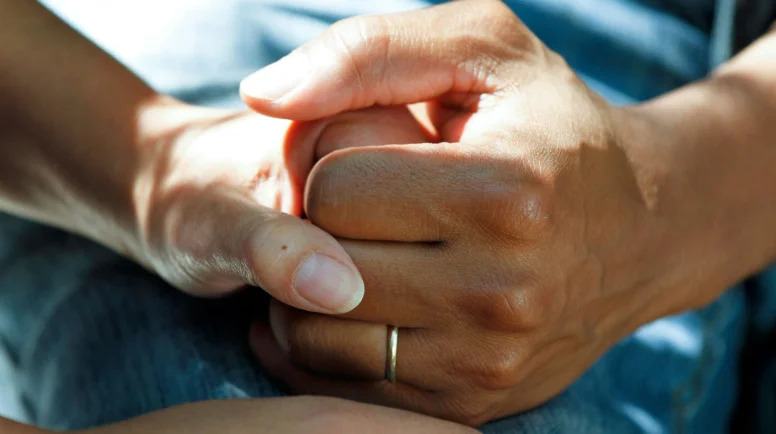
From the other side of the bedside railing, I grasp anew that empathy isn’t just another subject included in the course syllabus or on my sermon outline. It is the warm smile of the parking garage attendant, the daily encouragement of my housekeeper, and the kindness of my nurse straightening my tangled blanket after reloading the chemotherapy drugs each night. It is also my wife’s constant presence at my side during those months of uncertainty and danger following the transplant. Nobel Laureate Elie Wiesel said, “When words bring you closer to the prisoner in his cell, to the patient who is dying on his bed alone, to the starving child, then it’s a prayer.” In my suffering, I was not alone.
This homecoming is a joyous one.
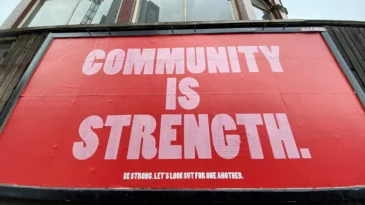
Finally, my transplant doctor clears us to return home to St. Petersburg. Walking toward the back door of our home, we enjoy the familiar sight of the tall arch of dark green jasmine against the beautiful blue Florida sky and the bright white cumulus clouds. The next day, we wake up in our own bed and later savor the scent of freshly ground coffee in our kitchen. Sitting in our screened porch, I imagine even the crows were celebrating with us with their loud caws, the blue jays squawking, and the mockingbird mimicking them. This homecoming is a joyous one, making phone calls to our sons and family members and receiving text messages from friends. The lessons learned over the months of fear and uncertainty are clear. We humans are bound together; each needing the other, even at a cellular level. As Paul wrote, “So faith, hope, and love abide, these three; but the greatest of these is love.”