When I was in seminary we were taught about three basic kinds of sermons. The first is a Yes sermon. It focuses on God’s steadfast love that endures forever, affirming God as a God of possibility. God is much more free than we can imagine, more loving than we can comprehend and more gracious than we can fathom.
The second kind is a Go sermon. It focuses on our response to God’s yes, our call to serve others, feed the hungry and work for the reign of God on earth. Because Jesus’ love was an active kind of love, we are called to love actively. I’ve preached many Yes and Go sermons, and both are important. Yes without any Go means that we’re like athletes who train for a tournament that never comes. On the flip side, all Go but no Yes can be exhausting. If the building of the reign of God is all up to us, then who needs God?
But there’s a third kind of sermon, the No sermon. These are rarer, but vitally important. A No sermon explores God’s limits — not in terms of what God is able to do, but what God is able to abide or not abide. Injustice. Violence. Cruelty.
The God of Scripture draws boundaries and establishes norms (and even rules) for God’s people. God says “no” sometimes! In fact, “no” is indispensable to the gospel. We beam at Jesus’ Beatitudes, while forgetting that in Luke’s account they’re quickly followed by an equal number of woes. For every “blessed are the poor” there’s a “woe to the rich.” So, these No sermons are often prophetic sermons.
I’ve been studying and practicing improvisation for many years, and find a lot of power in the idea of saying “yes and” in a scene, accepting what your scene partner offers and building on it. Sometimes these offerings delight and intrigue us; other times, they may make us cringe.
The deeper I get into this art form, the more I see it as a powerful approach to life. Things happen that we never would have chosen for ourselves — or, perhaps, for our churches. We may long for the nostalgic vision of our congregation in the past, or hold on to idealized hopes for the future. But as Gandalf tells Frodo in “The Lord of the Rings,” the circumstances of our lives are not for us to decide. “All we have to decide is what to do with the time that is given us.” That’s “yes and.”
When I first started learning improv, I thought saying “yes” meant going along with whatever my scene partner initiated, but that’s not quite true. Seasoned improvisers will tell you it’s important to accept the premise of a scene (if a person points an improv gun at you, you can’t say, “That’s not a gun; that’s a banana!”). But that doesn’t mean you need to consent to being robbed either. Conflict can be powerful creative fuel. It’s a No — I’m not handing you my wallet — in service to a larger Yes: What does the mugger do now? This scene could get interesting! Saying “no” is empowering, especially for those of us who’ve been socialized to follow the rules, stay safe and do what we’re told.
In fact, there are times when we need to say “no” — times when “no” isn’t just necessary, but the most faithful and creative response. Isn’t refusing to get up from a lunch counter or boycotting the city buses a powerful act of resistance? The civil rights movement and other moments of protest have always been punctuated by moments of saying “no.” No, we will not go to the back of the bus. No, we will not be second-class citizens anymore.
So there’s a place for no, but it’s a no that’s fueled by a much stronger yes — a thirst for justice, liberty and freedom. As people of God, seeking to be faithful to the gospel, we must be wiling to stand firm in no as well as yes.
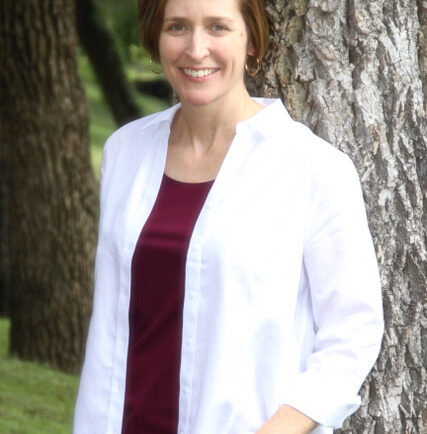
 MaryAnn McKibben Dana is a writer, pastor, speaker and coach living in Virginia. She is author of “Sabbath in the Suburbs” and the forthcoming “God, Improv, and the Art of Living.” She was recognized by the Presbyterian Writers Guild with the 2015-2016 David Steele Distinguished Writer Award.