

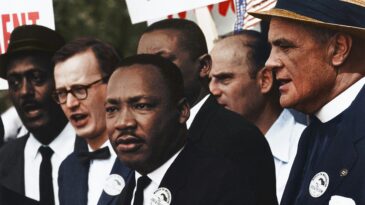
Nonviolent resistance requires more courage and strength than violence, writes Teri McDowell Ott.
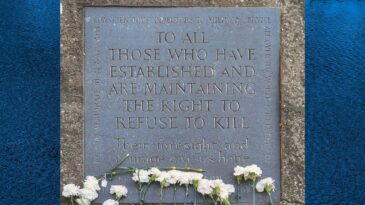
What if God actually meant, “thou shalt not kill?” — Laurie Lyter Bright
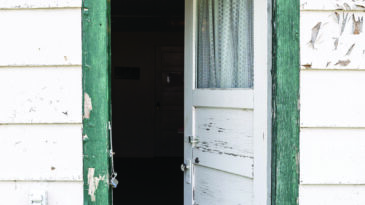
Up a set of broken steps and behind a door needing paint, Mary Austin encounters a guru of joy.
Joy is an intentional disruption, writes Lakisha R. Lockhart-Rusch, an act of resistance and a spiritual practice to be open to the good.

What happens when we explore the possibilities of what can be? (Hint: it's joyful.) — Cliff Haddox

Joy is not the result of turning a blind eye to the brokenness of ourselves and our world; instead, joy is confidence in the power of love. — Tom Are Jr.

To address the world's most entrenched problems, we need people who yearn to know more about our world and the creatures with whom we share it. — James Calvin Davis

Samwise Gamgee, a hobbit who is happy with his garden, still feels the spark of something beyond within him. — Whitney Wilkinson Arreche

We have always had prophets who have used their creative witness to leave this world better than they found it. — Winterbourne Harrison-Jones
What if Eve's story gives us permission to tap into our own curiosity? — Kerra Becker English
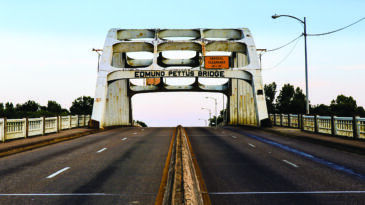
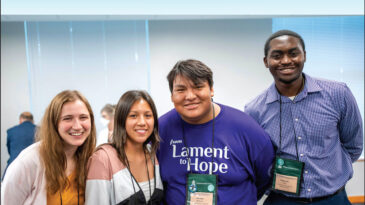
Keatan King and Omar Rouchon hope secular sites of racial justice work can become the grounds where future church leaders find their lives' work.

A felony lurks in our past. But Trump is now president, and, 54 years after my conviction, legal discrimination continues to haunt me, writes Patrice Gaines.
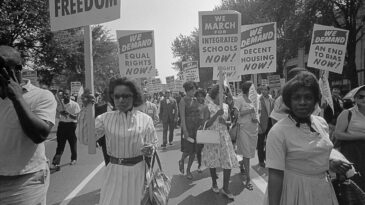
A broken-hearted mother’s decision became one of the most galvanizing acts of the Civil Rights Movement, writes Dartinia Hull.
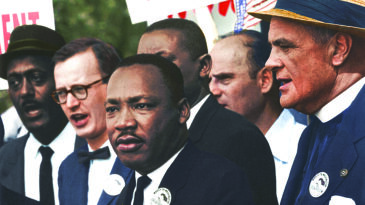
As attitudes about race began to shift among White Presbyterians in both the UPCUSA and the PCUS, social justice emerged as a primary, common mission, writes Jimmie Hawkins.
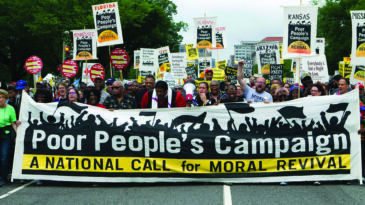
Teri McDowell Ott speaks with Presbyterian Pastor Liz Theoharis on uniting and organizing poor and low-income people into a powerful force.
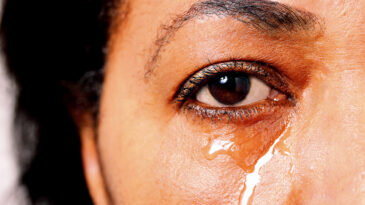
Public theology can potentially fill gaps in understanding within the intersections of race, gender, faith, and grief, writes Desiree McCray.
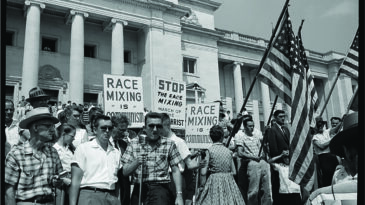
In the fight for racial justice, some White pastors spoke boldly and paid the price. Others chose silence. Their choices shaped the church. Their scars tell the story, writes William Yoo.
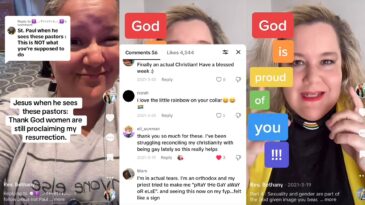
Bethany Peerbolte shares how her TikTok, YouTube and Instagram ministry uses art to provide lessons and comfort, and that art comes in many forms.

What if there's also a rhythmic circle, giving a never-ending space for the dance of proclamation, advocacy and creativity? Jack Miller writes.

By the power of the Holy Spirit, our hearts are joined in one holy unity. — Jennifer Frayer Griggs
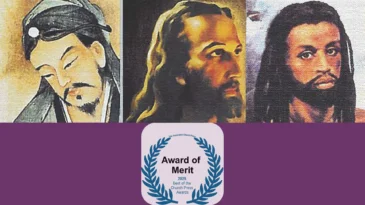
Considering the contextual nature of theology, the writer opens up reflections on who Jesus Christ is for different people. — Rachel Baard

By the power of the Holy Spirit, our hearts are joined in one holy unity writes Ron Byars.

The Fostering Congregations Initiative guides ministries in caring for foster families and children who have come from difficult spaces.

The ongoing challenge, says Sarah Ann Bixler, is to reconcile experiences of trauma with our theology.

We need to consider not only how we respond but how we locate ourselves as those called upon to speak and act faithfully, writes Kimberly Wagner.
© Copyright 2026 The Presbyterian Outlook. All Rights Reserved. Privacy Statement. Website by Web Publisher PRO