
A homecoming
Doug McMahon reflects on how a bone marrow transplant teaches us that we humans are bound together, each needing the other, even at a cellular level.


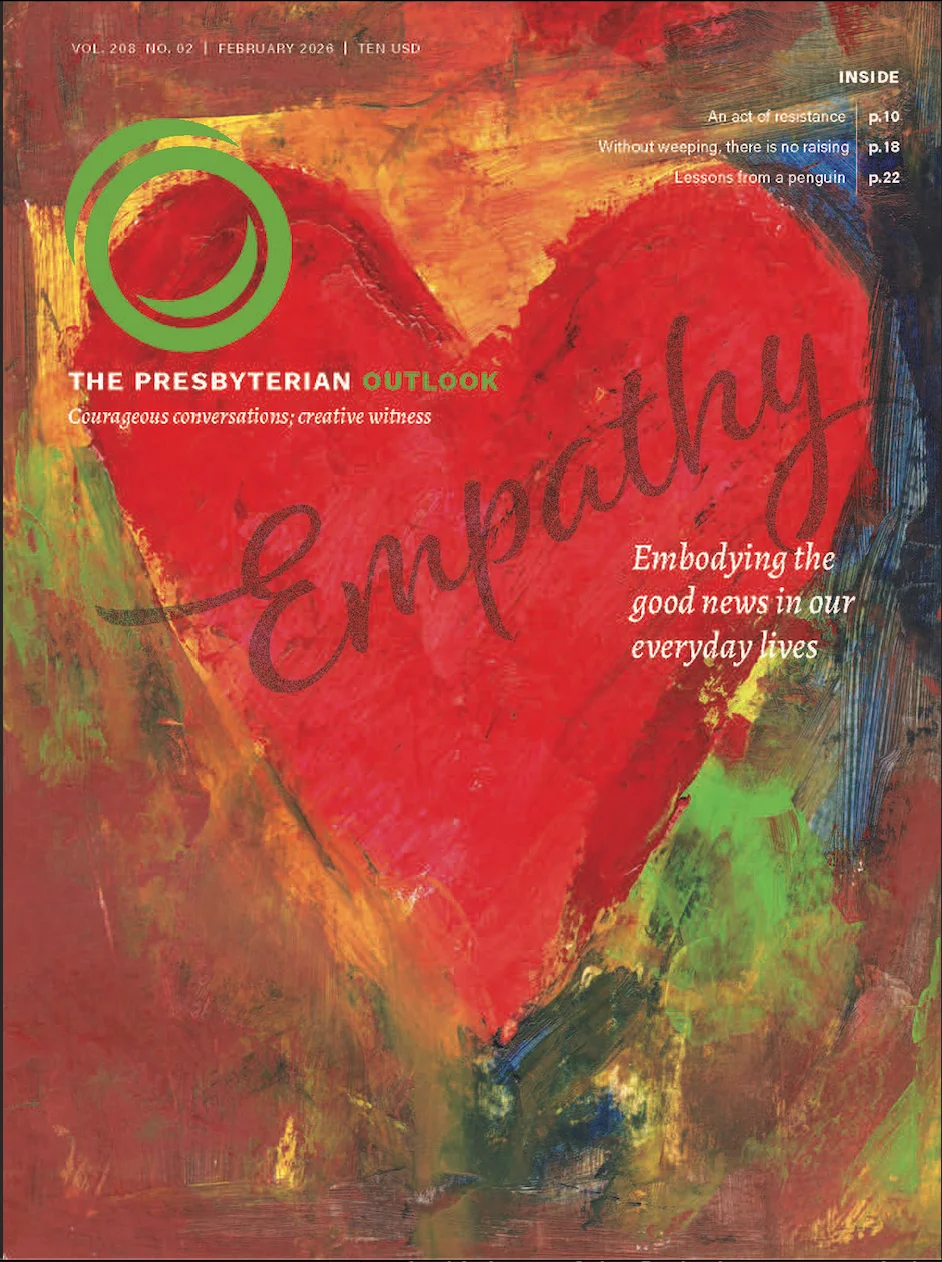
Empathy is often treated as a soft virtue — a personal disposition rather than a public practice. Yet in Scripture and in the life of the church, empathy is anything but passive. It is a way of seeing, a discipline of attention, and a moral stance that shapes how communities live together in times of fracture and fear.
To practice empathy is not simply to feel for others, but to move toward them — to listen without rushing to judgment, to resist caricature, and to honor the complexity of human lives. In a culture increasingly marked by suspicion, outrage and dehumanizing rhetoric, empathy becomes a countercultural act. It asks us to bear one another’s burdens rather than weaponize our differences.
In Jesus Christ, God does not remain distant from human suffering but enters fully into it, a nearness that sets the pattern for our life together. We are called not only to proclaim good news, but to embody it through practices of compassion, humility and courageous listening.
In this issue of the Outlook, we are reminded that empathy does not require agreement, but it does require love — the kind that refuses to look away.
Doug McMahon reflects on how a bone marrow transplant teaches us that we humans are bound together, each needing the other, even at a cellular level.

Andrew Taylor-Troutman praises "Love Letters to God' as a raw, brave epistolary friendship that wrestles honestly with suffering, faith, and a love strong enough to endure doubt.

In "Marce Catlett," Wendell Berry shows how stories of land, labor, and loss shape generations and our sense of belonging. Chris Taylor offers a review.
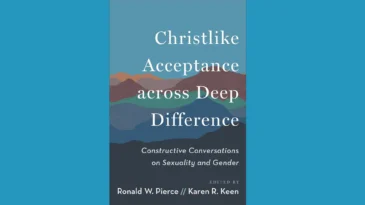
Amy Pagliarella calls "Christlike Acceptance Across Deep Difference" a generous, honest invitation for churches to keep listening and learning across deep disagreement.

"Damned Whiteness" is a sharp call to move beyond White allyship toward real, liberating action, writes Jessica Rigel.

Empathy is the heart of our covenantal relationship with one another, proclaims Chris Henry.

Rubén Arjona writes on how empathy allows us to imagine the other person’s feelings, thoughts and experiences.

Charlie Berthoud recounts his son’s 4,000-mile charity bike ride from Virginia to California and witnessing remarkable generosity — especially from church communities along the journey.

Alfred Walker shares how a 1989 letter from a man who was imprisoned opened a path for ministry.

Mathew Frease frames empathy as a radical, Christ-centered practice that connects people, transforms relationships, and expands our capacity for justice across difference.
In each issue of the Outlook, we include a discussion guide to further reflect on the issue. We recommend using this guide in your Bible study, small group or book club. It's our invitation into a faithful conversation.
Teri McDowell Ott reflects on Leslie Jamison's “The Empathy Exams” to show that real empathy isn’t about fixing pain, but choosing to truly see and understand it.

Rosalind Banbury's seventh reflection on the 2025-2026 Presbyterian Women/Horizons Bible Study.

Allie Beth Stuckey and Joe Rigney just want to make sure you're empathizing with those they deem worthy of empathy.
© Copyright 2026 The Presbyterian Outlook. All Rights Reserved. Privacy Statement. Website by Web Publisher PRO