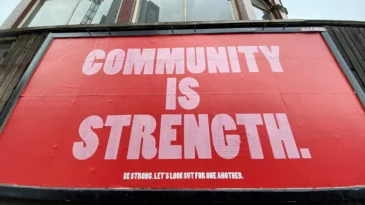
The church is obsessed with the idea of leadership. I think we have learned it from the culture around us, which teaches us that the ideal leader is effective, confident, well-educated in her specialization area, innovative, unafraid to take risks, knows how to delegate, can return great profits and has the ability to influence others. And the truth is that we, the church, want the same from our leaders. We often read the Bible through this lens, choosing the perspective of the most powerful person: We read stories through the eyes of Moses, David, the Pharisees and Jesus — but we seldom put ourselves in the shoes of the woman who is about to be stoned to death, the paralyzed man being lowered through the roof or the children sitting at Jesus’ feet.
When we are electing our leaders, the first thing we ask is: Who can save us more money? Which pastor can bring more people through our doors? Which Christian educator can bring more kids to Vacation Bible School? Which church member can sell more brownies at the bake sale? Which head of staff has the most degrees? Which deacon can organize the best party? Which youth director can mobilize the most volunteers to chaperone?
And these kinds of leaders may slow down our declining numbers and ensure our survival as a denomination. But is that what the world needs? Furthermore, is this who God is calling us to be and how God is calling us to serve?
Throughout the Bible we see examples of leaders who would never make it to our “top 5” list according to their gifts and experience: Moses stuttered and was a murderer; Mary was a teenager; Miriam rebuked the leader of her community; the disciples were uneducated and not very smart; John the Baptist did not have an expensive wardrobe or say things that would make him popular. And then, there is Jesus. Jesus, who was an excellent leader even by our 21st century standards, establishes a different kind of leadership model for us to follow: He spent time with the “uncool,” touched the untouchable and constantly called out those who had the power to boost his career as a rabbi. Moreover, he, the greatest leader of them all, decided to reject a hierarchical model for the community that was forming around him by calling them friends and asking them to lay down their lives for their friends.
With mass shootings, racially motivated killings of innocent men, thousands seeking asylum from oppressive regimes and walls being built to divide communities that have co-existed for centuries, the world is in desperate need of leaders who have that kind of compassion. We have plenty of CEOs and micro-managers, but we do not have enough friends of the unfriendable. We are in need of people who are willing to lay down their lives for others. That may not be the most profitable and efficient choice, but it is certainly a most needed choice.
As our nominating committees make decisions about who will be our leaders, why don’t we open our eyes to signs of compassion around our congregations? Who is the youth who spends time with the weird kids? Who spends hours writing cards to the homebound? Who would sacrifice buying doughnuts for coffee hour to buy groceries for the family whose father just lost his job? Who would befriend the awkward girl sitting in the back?
It is when we see those we serve as friends that we can go beyond time, money and energy limitations to make sure a mother can feed her children, a man can find a place to lay his head, a bleeding woman can find health and young black men buying Skittles can walk without fear.
So I invite you to ask your communities: What kind of leader do we need?
 Claudia Aguilar Rubalcava is associate dean of student services at Columbia Theological Seminary in Decatur, Georgia.