I am stuck in an airport with a very long layover. My gate is empty of other passengers and will be for hours. A single employee sits, texting, behind the desk. What a great opportunity to get some writing done, I think to myself. The only obstacle to my plan is a blaring television, mounted in a corner and well out of reach.
“Can we turn that off?” I ask the employee. “Or down?”
“We sure can’t,” she says, smiling broadly. “That TV goes off and on with the lights. It has one channel, and it only goes to ‘loud.’” (I later discover that advertisers supply the TVs with the provision that they always be tuned into programming that includes their ads.)
We live in a culture where something is always playing in the background. If it is not bombarding us with consumeristic messages, it is buzzing in our pocket, “missing” us on Facebook, or messaging us via Twitter. Don’t get me wrong – I love and use social media. The problem comes when I need to escape it to think, contemplate and create. To escape it, in our world, is harder that just saying no or flipping an off switch.
A challenge for theological education is that it depends on having plentiful, vast spaces set apart for thinking. These sacred spaces used to present themselves more readily, it seems. Sundays: expansive days clear of shopping and soccer games to go to church, eat a big communal meal, take a nap and procrastinate about getting ready for the coming week. Evenings: renewing hours when everyone in the family is home all at once. Summer vacation: weeks of unstructured time in which kids make things they dream up themselves and sometimes even get bored.
Today, even the time we have at the stoplight is invaded by the opportunity to answer one quick text or start a phone call. We do not consider that, in that moment of accomplishing something concrete, we have given something up: a space for contemplation.
Barth assures us we can certainly “do” things without first thinking much about them. The problem is, he says, that the things we do will not have much value. Thinking, as it turns out, gives doing a leg up. Strong theory feeds effective practice.
Theological education is and should be more theoretical than practical. Contemplating atonement theories in the seminary classroom, reflecting on what it means to be people of hope at a faith renewal weekend, reading a few pages of Calvin or Cone and taking a walk to think them through – the spaces we set apart for seeking to know God and ourselves will surely enrich our lives and our service. But here’s the rub: If we reflect for the sake of enriching our action and if we theorize in order to do things better, we will operate efficiently, as learners, but likely at the expense of transformation. It is only when we enter into that sacred space of thinking for its own sake that we are melted and molded into the new creations that are used for the purposes of God. True study is not an “add-on” to our daily lives, but makes us on our way. Simone Weil called it, for this reason, a form of prayer.
The charge for theology students – including all of us lifelong learners – is to create sacred spaces in our crazy-busy lives for actual thinking. We are masters at juggling family, jobs, church responsibilities, exercise, paper assignments. What we really need is not greater efficiency, but a greater number of quiet, unprogrammed spaces to think. What we need are spaces where we can stop justifying the value of our study long enough to give ourselves over to the Subject of it.
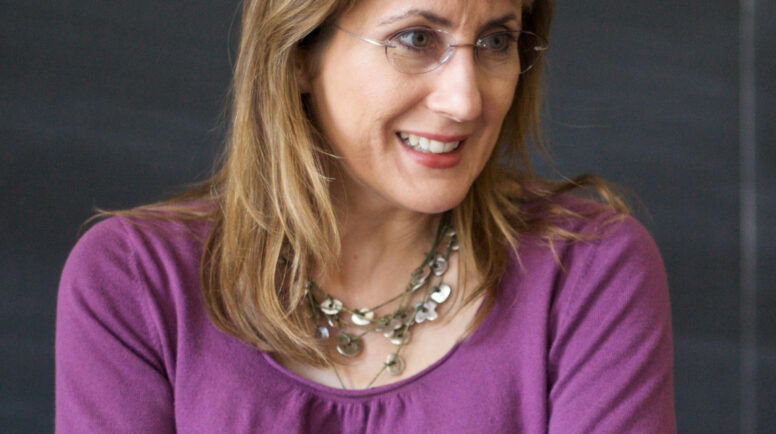
 Cynthia Rigby is professor of theology at Austin Theological Seminary.